Eporner HD Sex Porn Discounts Sex Games Porn Games XXX Games Hentai Games PornStar Games 3D Porn Celebrity Sex Videos
Live Sex Free Live Sex Free Sex Games Páginas Porno Nude Celebrities TikTok Porn Sex Cam RoseToy Official Cams Porno AI Porn
Live Sex Free Live Sex Free Sex Games Páginas Porno Nude Celebrities TikTok Porn Sex Cam RoseToy Official Cams Porno AI Porn

Published on 2017/11/29
FUCK ANY GIRL WITH AI
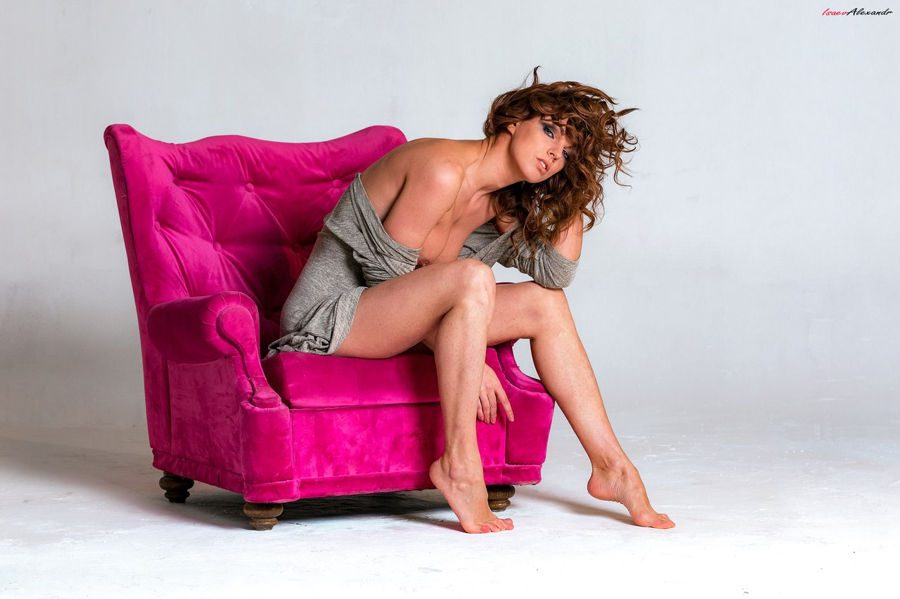
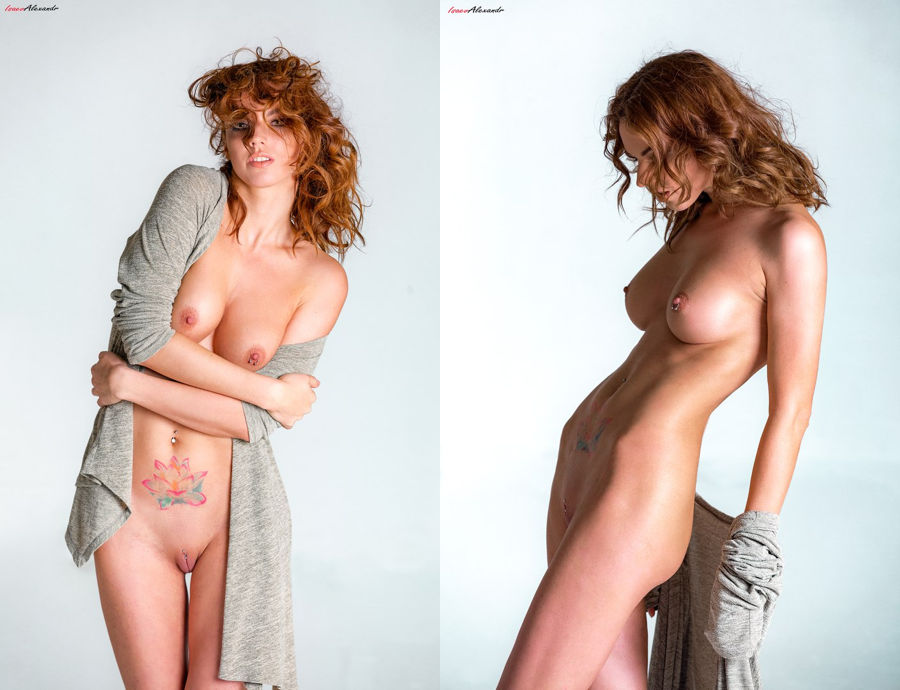
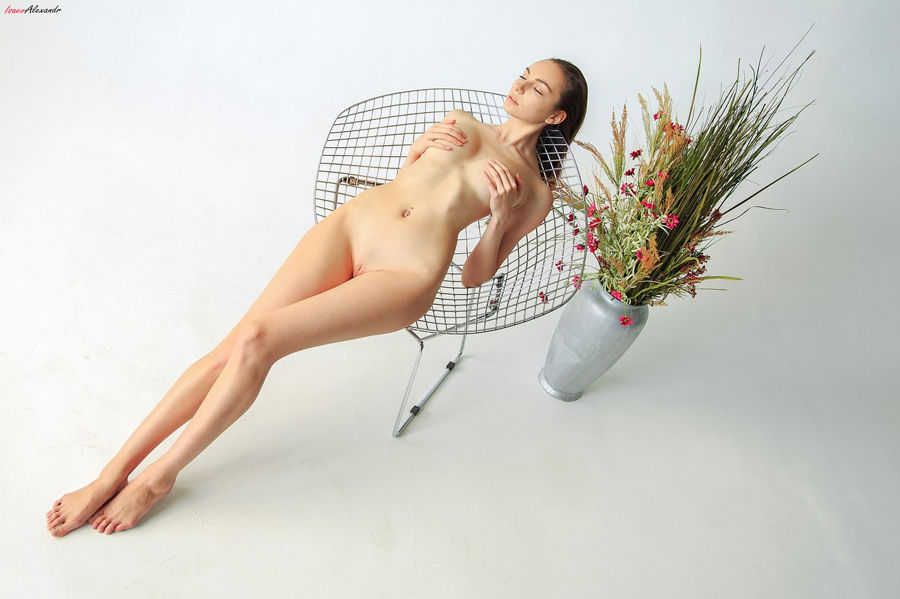
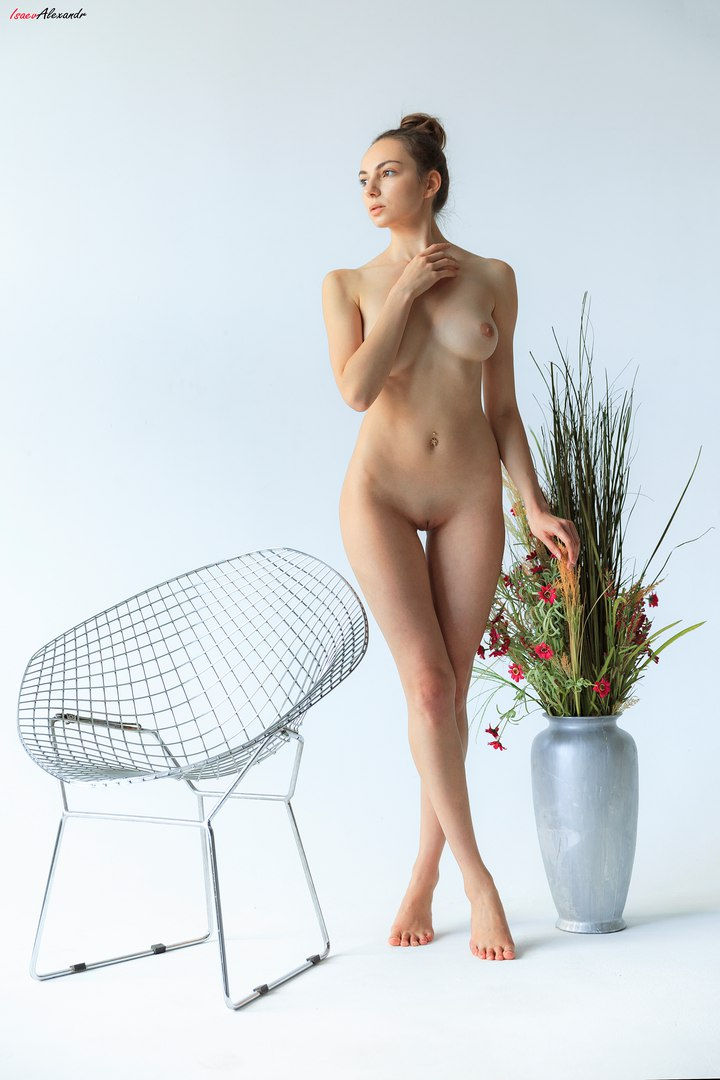
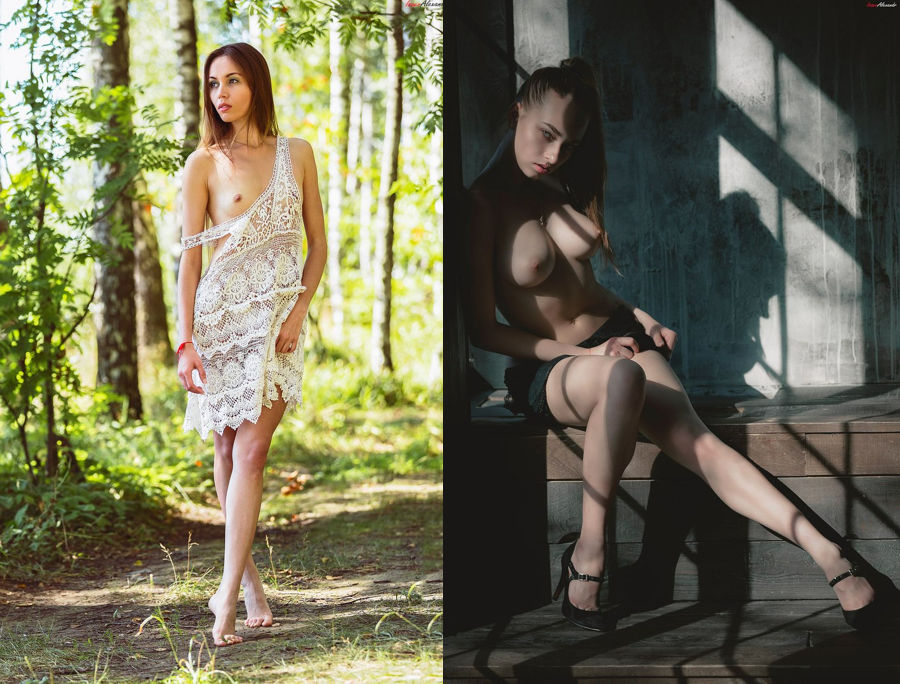
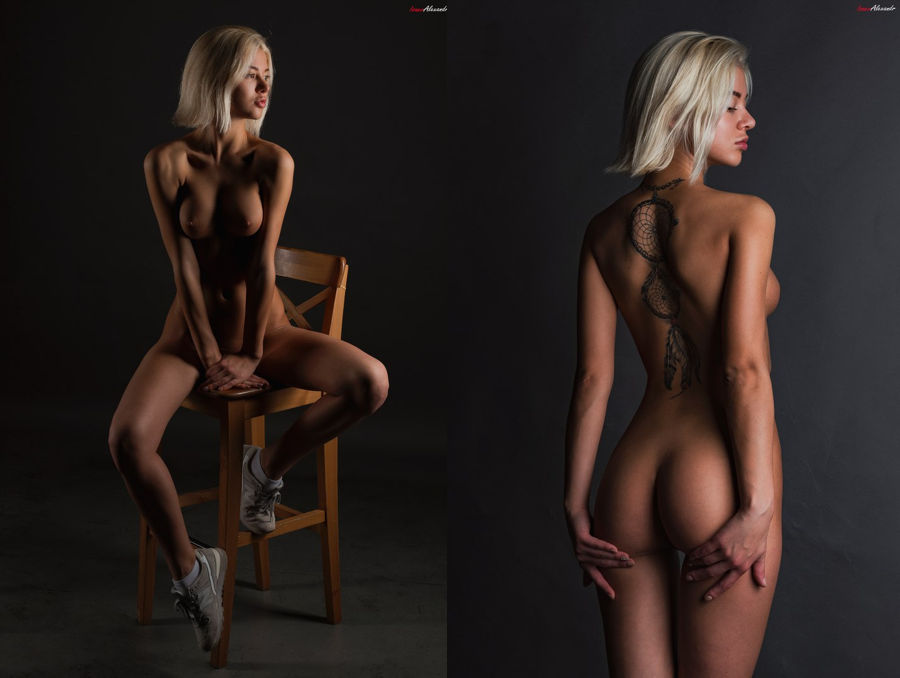
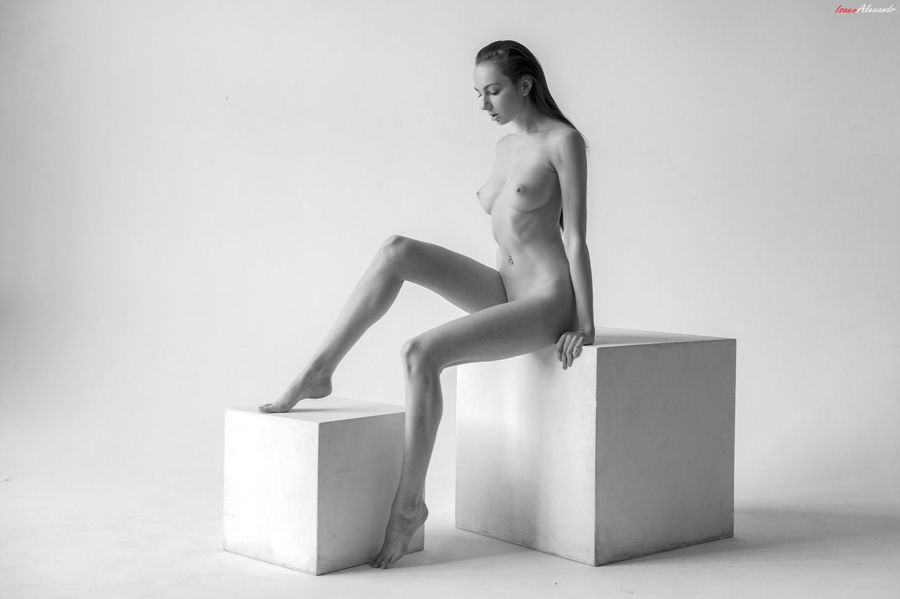
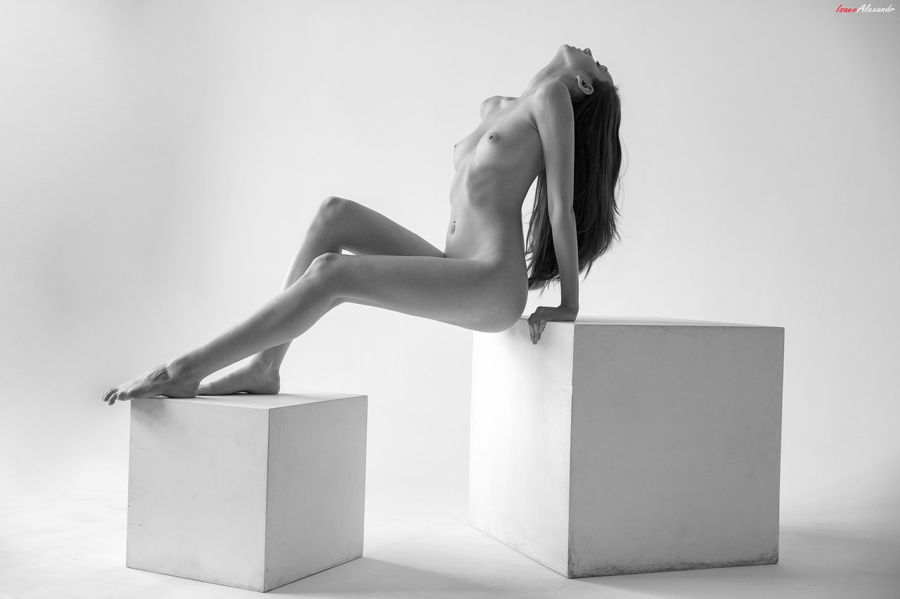
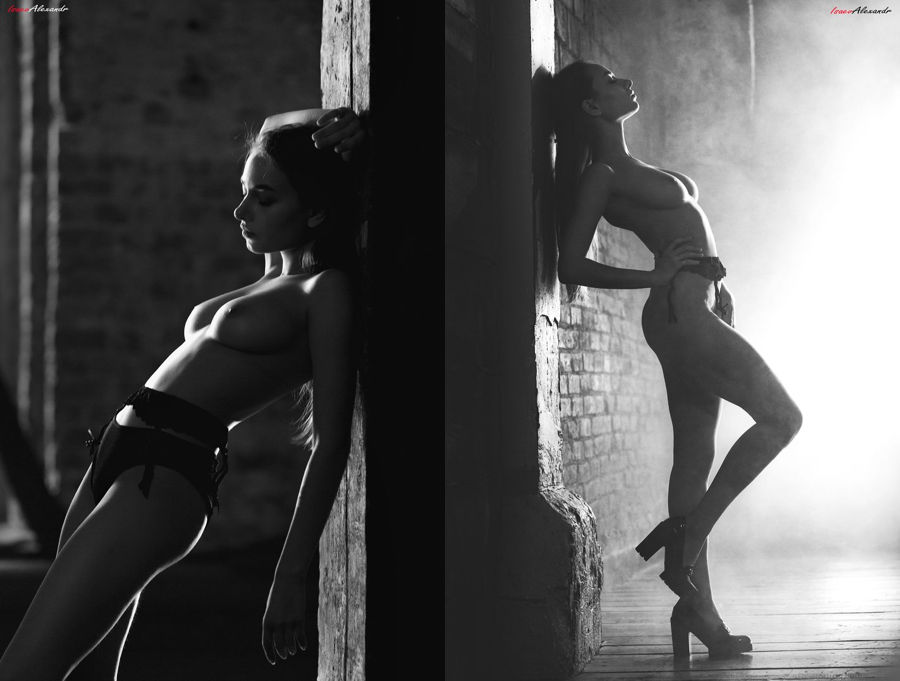
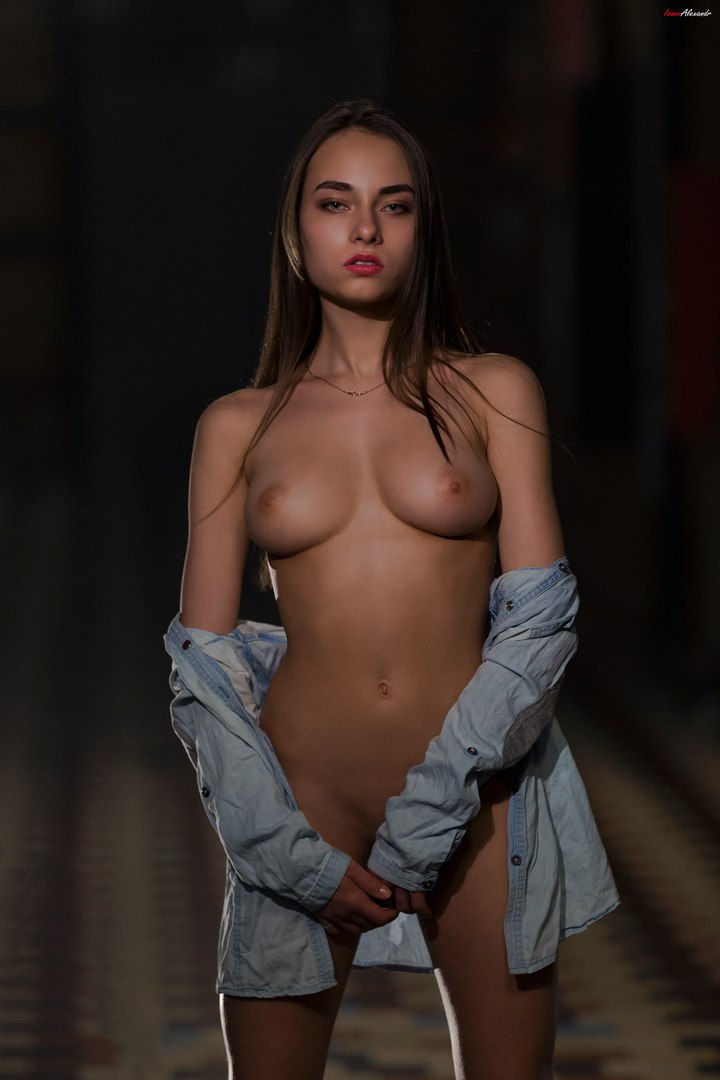

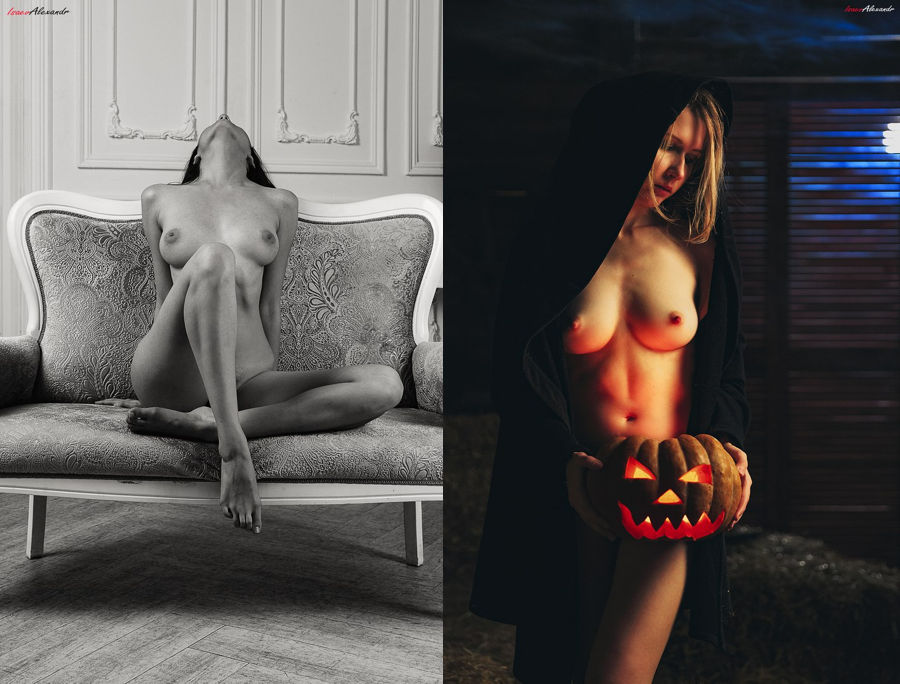
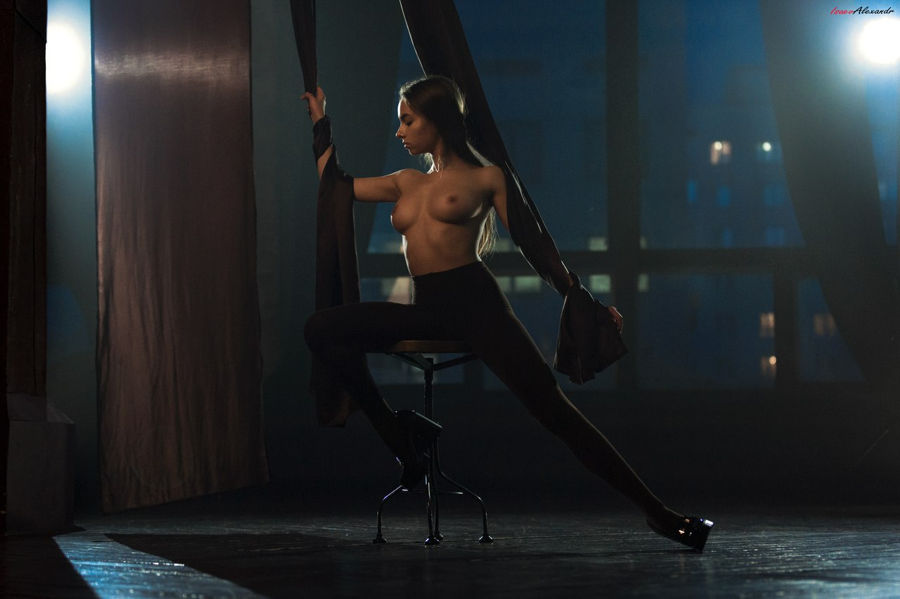
ALEXANDER ISAEV'S NUDE PHOTOGRAPHY
Visual ode to female beauty from the hand of photographer Alexander Isaev...FUCK ANY GIRL WITH AI






THE APPEAL OF FRECKLES
david
There are features that people traditionally tried to hide but that, over time, have ended up becoming precisely what makes a face attractive. Freckles are probably one of the best examples.
For years, the beauty industry got us used to faces with completely uniform skin: the same tone, the same texture, not a blemish, not a mark, practically no sign that there was an actual human being underneath all that makeup. And the funny thing is that when freckles appear scattered across the nose and cheeks, the exact opposite of what you might expect happens: instead of seeing them as an imperfection, a lot of people feel they actually make a face more attractive.
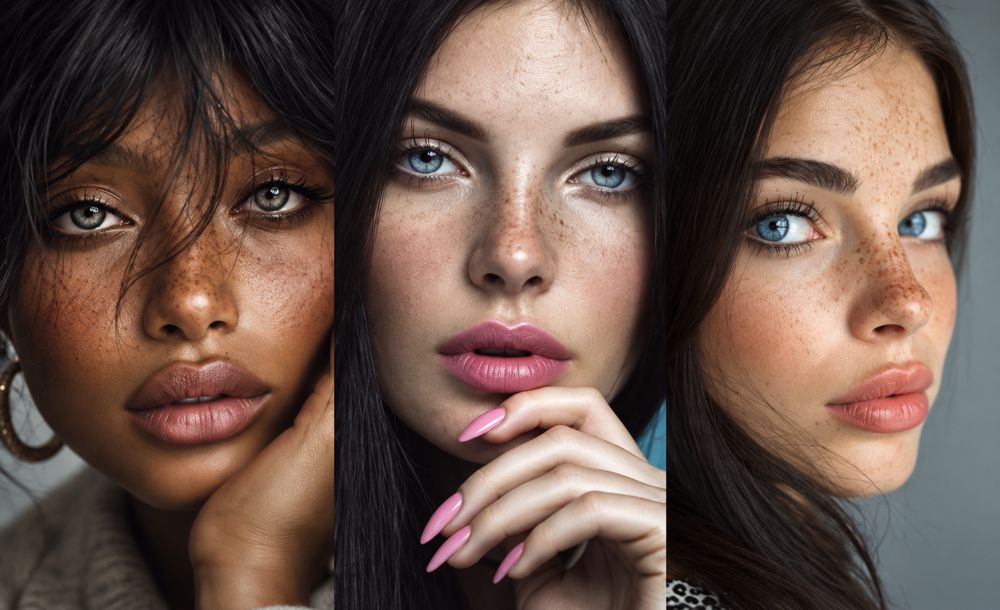
Maybe it’s precisely because they break up that uniformity. Freckles add little points of contrast, make your eyes wander across the face, and can especially highlight the eyes, cheekbones, or nose. They’re a kind of natural pattern that can make a face more recognizable and give it more personality.
There’s also that sense of naturalness. Freckles remind us that real skin isn’t a perfectly smooth surface created by a computer. It has pigmentation, pores, subtle differences in tone, and characteristics of its own. And very often, those little irregularities are exactly what make two equally beautiful faces feel completely different in terms of how interesting we find them.
In fact, in recent years we’ve reached the curious point where some people draw freckles on with makeup or turn to semi-permanent treatments to get something that others spent a good part of their lives trying to hide. The supposed imperfection has become a desirable feature.
And then there’s the part that’s impossible to measure. Attraction doesn’t work according to some mathematical chart where a pair of lips adds two points, a nose subtracts one, and twenty freckles add another three. Some features simply trigger something in the person looking at them.
That’s what happens to me with freckles. Especially when they’re concentrated around the nose and beneath the eyes. I’m not entirely sure why, but far from making a face look messy or taking away from its beauty, I think they give it character, naturalness, and an especially attractive touch.
In the end, maybe part of beauty lies precisely there: in those little characteristics that stop a perfect face from also becoming a completely forgettable one.
Because sometimes an imperfection doesn’t take anything away. It’s exactly what was needed to add something more.
# Watch videos
ExtraBall
Choose your Pokémon!
ExtraBall2






LEGGINGS VOL3
The fashion industry sold us leggings as comfortable clothes for working out. For running, training, doing yoga, or going for a walk while pretending that, at some point during the day, you actually intend to set foot in a gym.
But all it takes is a woman with a great ass putting on a pair for all their technical features to immediately become irrelevant.
Because leggings can be stretchy, breathable, thermal, and made using the most advanced technology on the market, but if they hug the body tightly enough, nobody is going to care what the fabric is made of.
They don’t hide anything, they don’t disguise anything, and they don’t leave much to the imagination either. They highlight every curve, slip into all the right places, and turn something as simple as walking, doing a squat, or bending over to pick something up into something worth watching.
And that’s why this series continues. Because new videos keep turning up, and we keep staring at them just as hypnotized as we were the first time. The colors, styles, and women may change, but the effect remains exactly the same.
Volume three. New leggings, new asses, and absolutely no intention of looking away.
Enjoy the videos.

# Watch videos
 You can find much more content like this on our TELEGRAM CHANNEL
ExtraBall


 CamBB.xxx
We find the best live porn cams across many different cam sites like Streamate, Chaturbate, Cam4 and Stripchat.
 ChatSex.xxx
With Chat Sex you get free sex cams featuring nude cam girls you can chat with for free.

FEATURED MODEL
ONLYFANS · FREE
Mistress Sasha
@domsasha
Discover her photos, explore her content and access her profile for free.

RECOMMENDED SITES
 Add your site
- The Nip Slip
- Porn Pics
- sweetlicious
- celeb-stalker.com
- Erosberry
- Kanoni Net
- Shocking Porn
- Candid Teens
- Babes & Bitches
Add your site💩 CrazyShit
🤪 eFukt
👉🍑 Top XXX Pictures
Bingo Porno
Best Porn Blog Sites
 Sex Games
MrPornGeek
Hardcore Porn Videos
NSFW.Tools
Sex AI Chat
Porn Game
ShareAnyNudes
Teenager365
Best JAV Models
Hotness
HornyFap













THE EROTICISM OF KSENIYA LOKOTKO
The artistic nude photography of Kseniya Lokotko is defined by a contemporary perspective that blends influences from fashion and fine art portraiture.
With an artistic background and professional experience dating back to 2015, she has developed a visual style that combines sensitivity, storytelling, and meticulous attention to detail.
In her artistic nude projects, the human body is presented as an expressive and compositional element, prioritizing the beauty of form, light, and emotion over any explicitly sexual approach.

# View the photographs
ExtraBall
Disco Ball ❌
Disco Balls ✅
ExtraBall2





COWS AND THE PROGRESS THEY HAVE BROUGHT TO HUMANITY. VOLUME 3
For thousands of years, our ancestors basically lived off whatever they could hunt, fish, or gather. Until, at some point, someone must have looked at certain animals and thought that maybe it was a hell of a lot more practical to keep the food close to home than spend all day chasing it through the wilderness.
The domestication of animals and the development of livestock farming were among those changes that may seem simple from our modern perspective, but helped completely transform the way early societies were organized.
It was no longer just about getting meat. Animals could provide milk, hides, power to work the land, transportation, fertilizer, and could even become a form of wealth. Owning livestock meant having resources that could be maintained, reproduced, and traded.
And among all those animals, cattle eventually came to occupy a particularly important place. For centuries, cows have fed entire populations, helped people work the land, supported rural economies, and accompanied humans throughout practically the entire development of civilization.
It’s curious to think that something as ordinary as a glass of milk, a piece of cheese, or a steak has behind it thousands of years of coexistence between our species and an animal that ended up becoming one of the great silent protagonists of our history.
Generation after generation, humanity kept finding new ways to make use of everything a cow could provide: Meat. Milk. Leather. Labor. Fertilizer.
And just when it seemed that, after all those thousands of years, we had finally explored absolutely every possibility... the 21st century decided to prove that we still had some imagination left.

# Watch videos
You can find much more content like this on our TELEGRAM CHANNEL How to unlock adult content on Telegram (Apple, Android, or any other device)
If you enter our channel and see an adult-content warning that prevents you from viewing anything, it means the restriction filter is enabled.
Go to https://web.telegram.org, log in, and open:
Settings → Privacy → Sensitive Content
Enable “Disable Restrictions” and you’re all set.
The change will automatically sync with the Telegram app on all your devices.
ExtraBall



Contact
You can tell us whatever you want via email: [email protected]
If you prefer, you can use this contact form:
If you prefer, you can use this contact form:


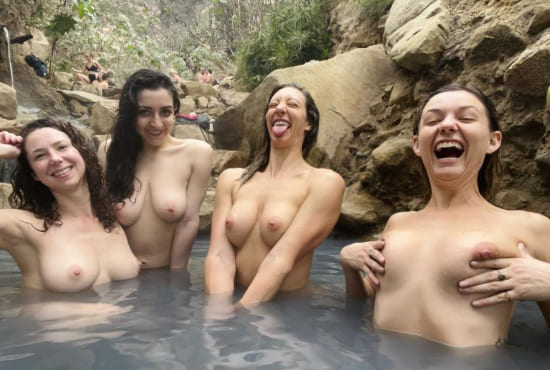

THE NUDE ART OF ALEXIS PAOLESCHI. PART 1
Alexis Paoleschi is a French photographer specializing in Nude Art, known for a style that combines elegance, minimalism, and a deep sensitivity toward the human figure.
In his work, the body isn’t presented simply as something to be admired, but as an expressive element that changes completely depending on the light, shadows, framing, and the space surrounding it. Sometimes he reveals; other times, he merely suggests. And that’s precisely where his photographs find their strength.
His work is also built on trust and respect for the person being photographed. That connection allows him to move away from rigid poses and create images that feel much more natural, intimate, and expressive.
Narrowing down the photographs for this post wasn’t easy because we had so many, and every one of them deserved to be shared. So instead of leaving a bunch of them out, we decided to divide Paoleschi’s work into two parts.
Today, we’re publishing the first one. Tomorrow, we’ll be back with a second selection.

# View the photos
ExtraBall
This could be one of the 14 million outcomes Strange talked about.
ExtraBall2

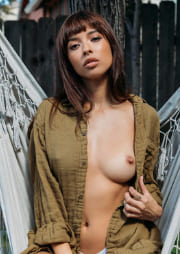


AMATEUR FLESH: BIBBITYBOBBITYBOOBIE🪄
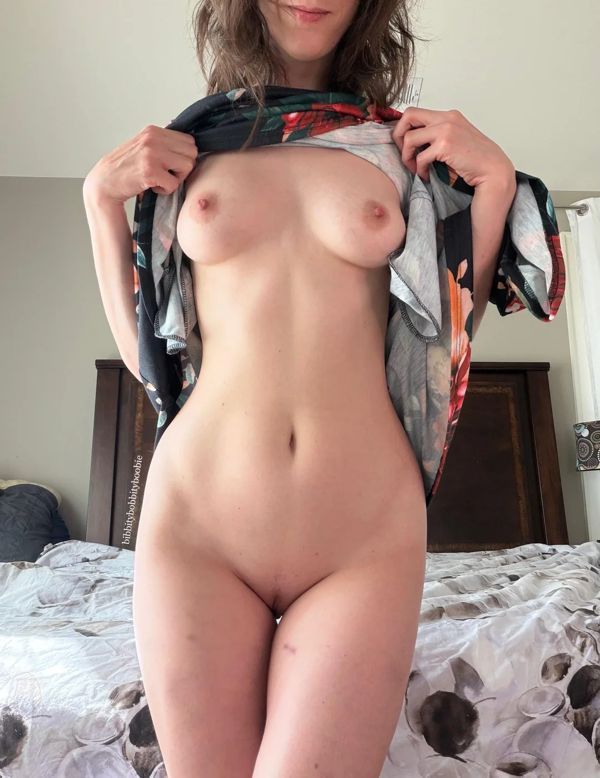
For some women, sharing part of their lives on social media simply isn’t enough. Not because they don’t have much to show, but precisely because censorship prevents them from revealing their full potential.
The woman behind the Reddit profile Bibbitybobbityboobie is one of them. In her bio, she describes herself as a nerdy Southern girl who loves cooking, dogs, dressing up in sexy lingerie, and, most importantly, getting naked on the internet for all of us. A pretty honest description of what you’ll find on her profile.
This is the second post we’ve dedicated to her on ALRNCN. The first was back in 2019 and, seven years later, she’s still just as cheerful and just as eager to share the exhibitionist side that mainstream social platforms won’t allow her to show.
Time passes, platforms change, and censorship gets tighter, but luckily she’s still taking off her clothes with the same enthusiasm.
# View photos and videos
ExtraBall