Eporner HD Sex Porn Discounts Sex Games Porn Games XXX Games Hentai Games PornStar Games 3D Porn Celebrity Sex Videos
Live Sex Free Live Sex Free Sex Games Páginas Porno Nude Celebrities TikTok Porn Sex Cam RoseToy Official Cams Porno AI Porn
Live Sex Free Live Sex Free Sex Games Páginas Porno Nude Celebrities TikTok Porn Sex Cam RoseToy Official Cams Porno AI Porn

Published on 2020/04/16
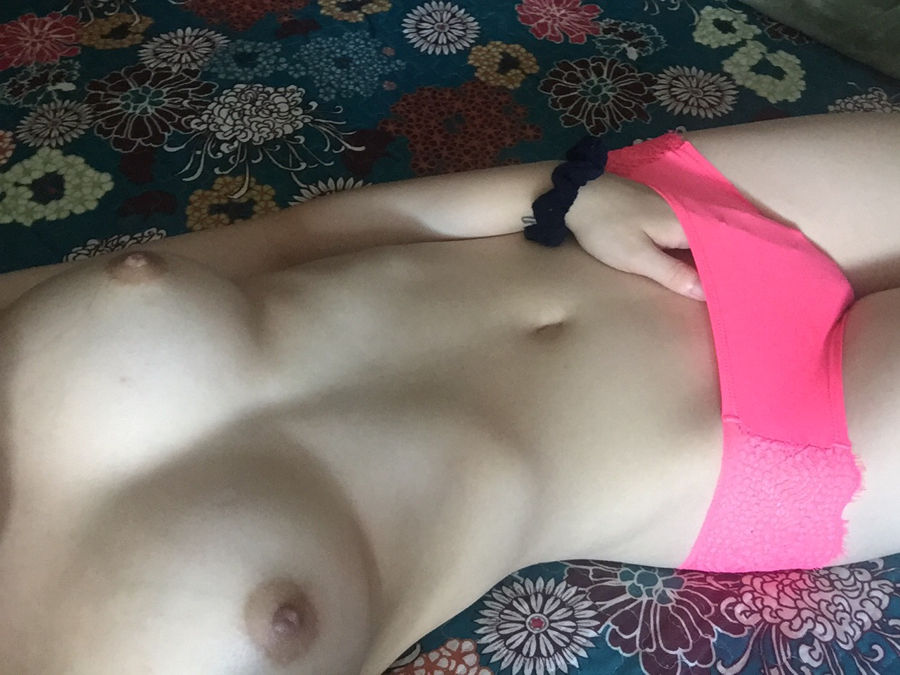
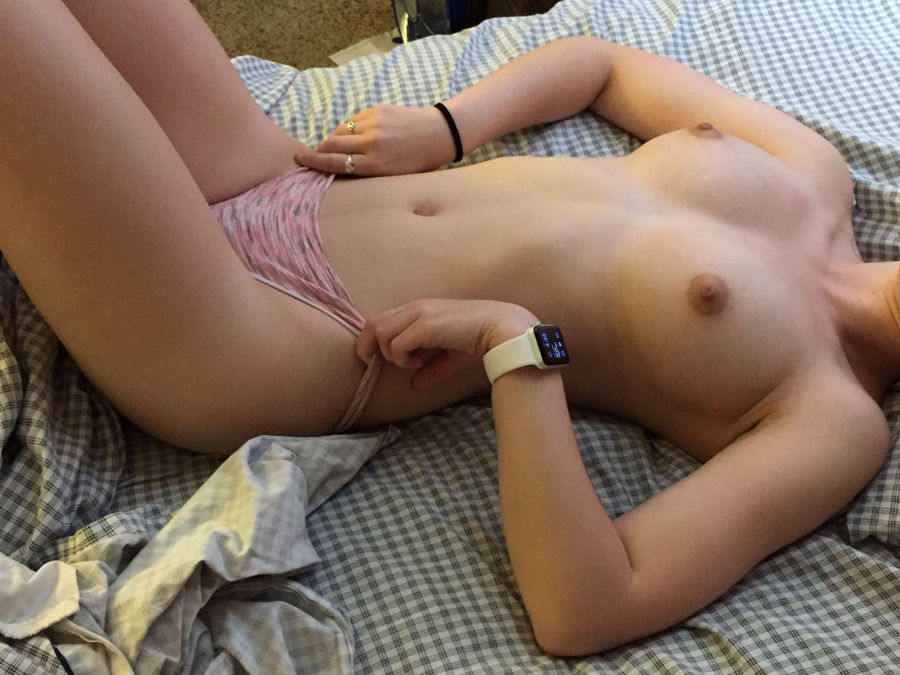
I present to you the profile of asiangodddes. She is doing it and since then, she has become happier.
FUCK ANY GIRL WITH AI








AMATEUR MEAT: ASIANGODDDES
Listen to me woman, if the quarantine is overwhelming you, try the following: Get naked, take a selfie and upload it to the Internet, within some social network that allows this type of content, such as Reddit, and wait a few hours. Before the night comes you will see how your mood changes. I won't tell you why but you will definitely want to repeat this process.I present to you the profile of asiangodddes. She is doing it and since then, she has become happier.
FUCK ANY GIRL WITH AI




FUCK ANY GIRL WITH AI









FEATURED MODEL
ONLYFANS · FREE
Kaori Uchiha
@cosplaykaori
Discover her photos, explore her content and visit her profile for free.

FEATURED MODEL
ONLYFANS · FREE
Sarah Hart
@sexyblondesarah
Discover her photos, explore her content and visit her profile for free.



 reddit.com/user/asiangodddes








AMATEUR FLESH: ANC1LLA 2026
We had the pleasure of discovering the next star of Amateur Flesh a little over three years ago. Back then, she was juggling a boring full-time job with her true passion: exhibitionism.
Judging by her most recent content, I’d say she has probably told that job to go fuck itself so she can devote herself to creating content 24 hours a day, 7 days a week.
A lover of leather and latex, Anc1lla looks more like a submissive than a mistress. The kind who enjoys giving up control, being led around on a leash, and enduring nipple clamps while obediently waiting for her next command.
A good girl who likes being treated as if she’s been very bad.

# See photos and videos
ExtraBall


AMATEUR FLESH: GLITCHY BRAT
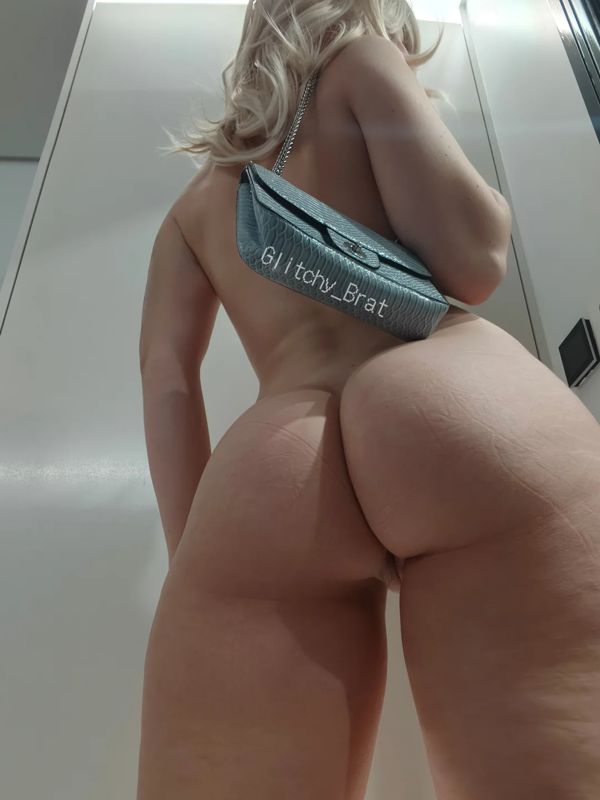
Some people dream of starting their own business, traveling the world, writing a book, or buying a house by the sea. Glitchy_Brat has slightly different ambitions.
On her Reddit profile, she introduces herself with a line that pretty much sums up her intentions: “Just a girl, following her dreams of being a thot”.
For anyone not completely fluent in internet slang, “thot” originally came from the acronym “That Hoe Over There.”
Not exactly the most flattering term at first, but that's the internet for you. Over time, the word took on a life of its own, becoming a label for sexually provocative women or girls who enjoy showing off online, and plenty of women eventually embraced it and started using it about themselves in a playful, ironic way.
So when Glitchy_Brat says she's “following her dreams of being a thot”, she's basically telling us that she's just a girl chasing her dream of becoming an internet thot.
And you have to give her credit for one thing: she doesn't seem like the kind of person who sits around waiting for her dreams to come true on their own.
Glitchy Brat only opened her Reddit account a few months ago, and since then she's been doing her part to achieve such a noble goal.
And as we always do whenever we find someone out there chasing their dreams, we figured the least we could do was contribute our own little bit to the cause.
# View photographs
ExtraBall







 CamBB.xxx
We find the best live porn cams across many different cam sites like Streamate, Chaturbate, Cam4 and Stripchat.
 ChatSex.xxx
With Chat Sex you get free sex cams featuring nude cam girls you can chat with for free.

FEATURED MODEL
ONLYFANS · FREE
Cocoa Hazel Fantasies
@ebo_goddessvip
Discover her photos, explore her content and access her profile for free.

RECOMMENDED SITES
 Add your site
- The Nip Slip
- Porn Pics
- sweetlicious
- celeb-stalker.com
- Erosberry
- Kanoni Net
- Shocking Porn
- Candid Teens
- Babes & Bitches
Add your site💩 CrazyShit
🤪 eFukt
👉🍑 Top XXX Pictures
Bingo Porno
Best Porn Blog Sites
 Sex Games
MrPornGeek
Hardcore Porn Videos
NSFW.Tools
Sex AI Chat
Porn Game
ShareAnyNudes
Teenager365
Best JAV Models
Hotness
HornyFap















BAMBI THE DESTROYER
Bambi the Destroyer begins like any ’80s fantasy movie pulled straight from the video store: a young woman accidentally travels through a vortex and lands in another dimension filled with strange creatures and dangerous monsters that seem to have spent their entire lives waiting for her to arrive.
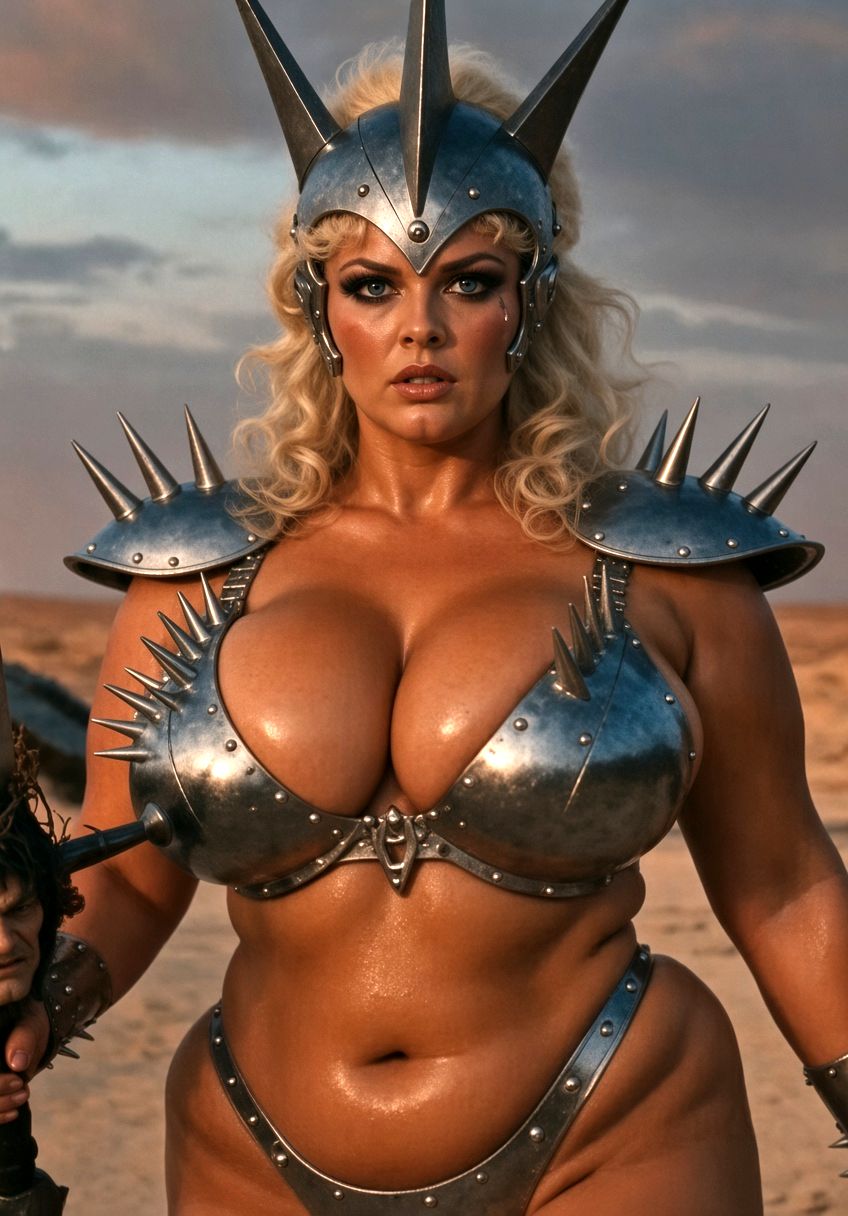
From that moment on, our voluptuous heroine swaps her ’80s clothes for a skimpy warrior outfit, learns how to swing a sword, and eventually becomes a kind of female Conan, making her way through a fantasy world packed with mutants and that wonderful lack of self-consciousness that defined classic B-movies.
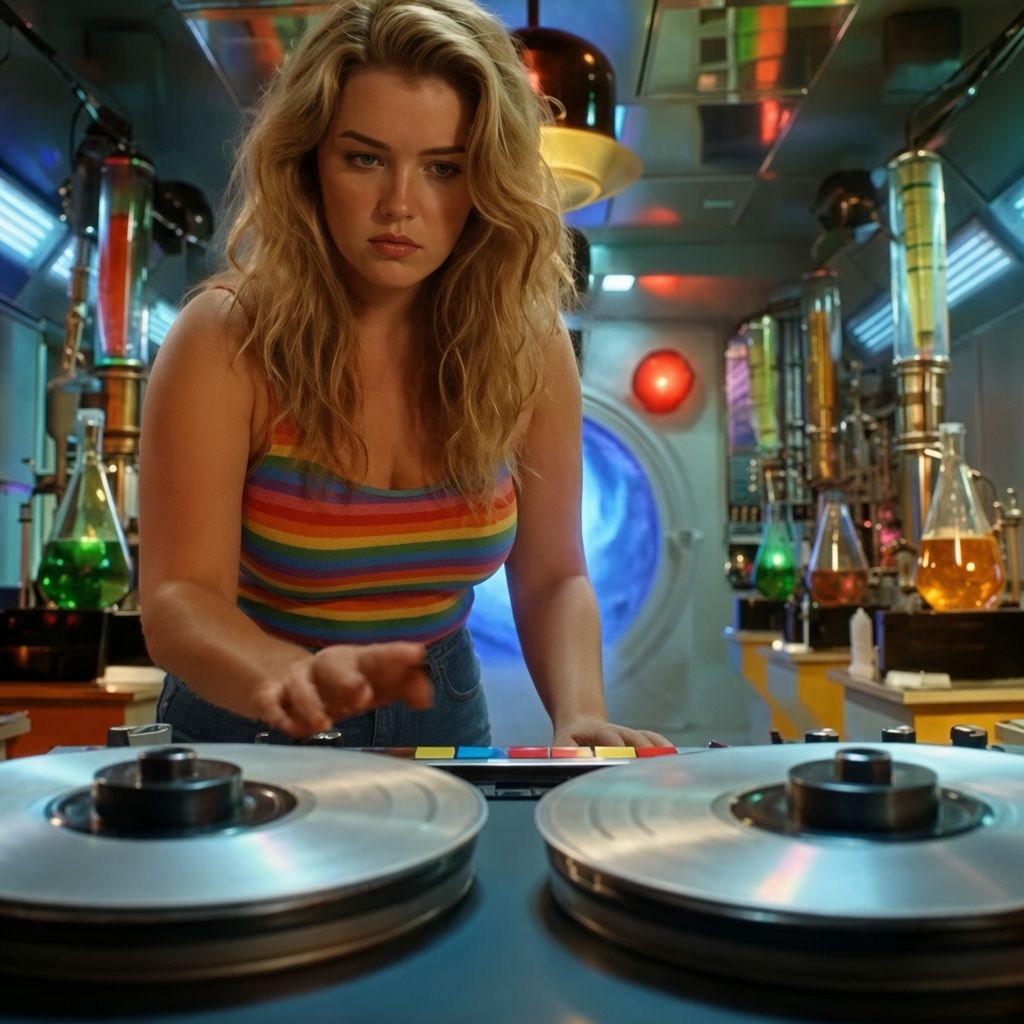
The series consists of 12 episodes lasting barely one or two minutes each. The story limps along, the narrative keeps tripping over itself, and the plot logic decided to travel through another vortex and never come back. But honestly, none of that really matters. The most interesting thing isn’t what the series tells us, but how it was created.
The images, characters, settings, dialogue, voices, music, and movement were all generated by combining different artificial intelligence systems. There are obviously many hours of work behind it, but the entire project was created by a single person giving instructions, selecting results, and fitting all the different pieces together.
And that’s where it’s worth stopping for a moment. Barely a decade ago, producing something like this would have required actors, cameras, costumes, sets, technicians, musicians, visual effects specialists, and several months of work. Today, one person can sit in front of a computer and request it using lines of text. Not design it, model it, animate it, and program it from scratch: simply ask for it.

The result is still far from perfect. Some shots don’t fit together, movements look strange, and continuity wanders in and out of the story whenever it feels like it. But there are also swords, monsters, impossible landscapes, and a flesh-baring ’80s warrior traveling through another universe. And all of it came out of a computer after someone figured out how to explain exactly what they wanted.
Bambi the Destroyer may not be the future of cinema or a cult classic, but it offers a small glimpse of how this new era could begin.
Below, you can watch all 12 episodes and visit the creator’s Instagram account to follow the project.
# Watch videos
ExtraBall
Grandpa is blown away.
ExtraBall2




INSTAGRAM OF THE DAY: ARIANAPOPP
Ari Pop🍭
20
University of Arizona

# View photos
You can also follow us on our new INSTAGRAM ACCOUNT
ExtraBall
The balloon game
ExtraBall2








Contact
You can tell us whatever you want via email: [email protected]
If you prefer, you can use this contact form:
If you prefer, you can use this contact form:





AUGUST IS SLIPPING AWAY
August officially ends on Monday, but we’ve decided to say goodbye to it today, the way it deserves, because the end of August should always be marked with a minute of silence, a cold beer and a distant stare into the horizon.
August isn’t just a month. August is a way of looking at life. It’s the month we automatically associate with holidays, even if it’s been years since we had the kind of summer break we remember from childhood. It means waking up without an alarm, having no idea what day it is, eating at ridiculous hours and discovering that a shower, a pair of flip-flops and a clean T-shirt can be considered perfectly acceptable formalwear.
For a few weeks, even people without a penny to their name get to feel rich. Not because their bank balance suddenly has more zeros, but because they have something far more valuable: time in which nobody is telling them what to do.
You can be sitting on your balcony in a plastic chair, drinking a can of beer while listening to your neighbor argue with his wife, and still feel as though life is smiling at you. Because you don’t have to work tomorrow. Because you don’t need to set the alarm. Because for a few hours, the world can keep spinning without you having to take part in it.
But everything comes to an end. The suitcases go back into the closet, the flip-flops return to the bottom of the shoe rack and the alarm clock reappears on the bedside table with the same asshole attitude it has always had. September arrives loaded with schedules, unanswered emails, school runs, traffic and people claiming that this time they really are going to start taking the gym seriously.
Most people will already have to start looking ahead to August 2027 to fantasize about that brief period of the year when we can pretend we’re actually in control of our own lives. There are twelve months to go, but there’s no point thinking about it too much. We just have to keep surviving one week at a time, one public holiday at a time and one beer at a time.
Today, we raise a glass to August. To those who traveled to the other side of the world and those who never left their neighborhood. To those who slept in five-star hotels and those who set up an inflatable pool on the terrace. Because holidays aren’t always about going somewhere far away. Sometimes they’re simply about nobody being able to force you to be anywhere else.
Until next year, August. You didn’t last long, you cost us far too much and, as always, you disappeared just as we were starting to get used to being alive.

# Watch videos
 You can find much more content like this on our TELEGRAM CHANNEL
ExtraBall







AMATEUR FLESH: COCO
Just two days ago, our next protagonist decided to take a step that had probably been on her mind for quite some time: creating a Reddit account and posting her first nude photos.
Before doing so, she probably spent a long time watching from the other side of the screen. Browsing through other women’s profiles, reading people’s comments and imagining what it might be like to take that place herself one day. Watching, learning and feeling torn between the desire to do it and the fear of regretting it afterward.
Yes, no. Maybe today, perhaps tomorrow. One photo, none at all, or maybe a few. Weighing up the pros, the cons and that inevitable sense of vertigo that must come from knowing that, as soon as you hit the publish button, a group of complete strangers will be able to see you in a way that, until then, had been reserved for only a privileged few.
Eventually, she made up her mind. She created the account, uploaded her first photos and crossed that little boundary separating those who watch from those who have decided to become the protagonists.
They say the sky is filled with millions of stars. Today, you have just witnessed the birth of a new one.

# View the photos
ExtraBall