Eporner HD Sex Porn Discounts Sex Games Porn Games XXX Games Hentai Games PornStar Games 3D Porn Celebrity Sex Videos
Live Sex Free Live Sex Free Sex Games Páginas Porno Nude Celebrities TikTok Porn Sex Cam RoseToy Official Cams Porno AI Porn
Live Sex Free Live Sex Free Sex Games Páginas Porno Nude Celebrities TikTok Porn Sex Cam RoseToy Official Cams Porno AI Porn

Published on 2026/05/22
BERND SCHMIDT'S PHOTOGRAPHY
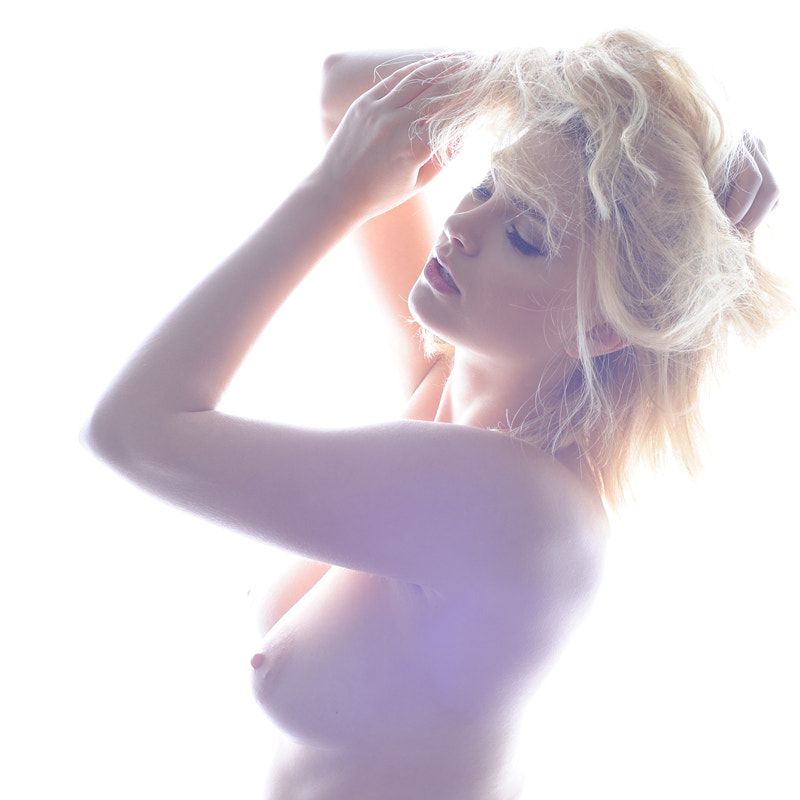
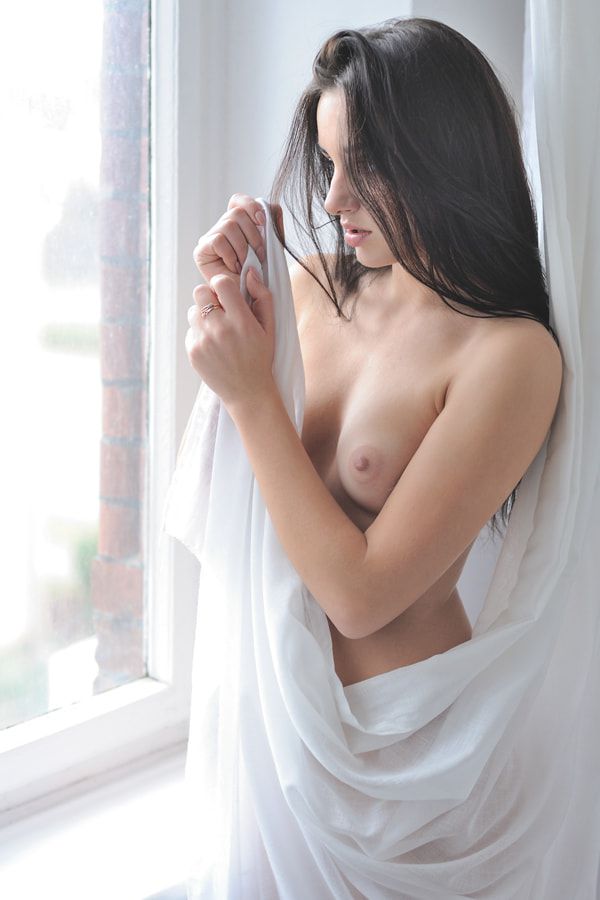
If you're not too busy, take a quick look at some of the photos that the German photographer Bernd Schmidt shares online. I'm pretty sure you'll like what you see.FUCK ANY GIRL WITH AI








FEATURED MODEL
ONLYFANS · FREE
Misty Mayhem
@mistychains
Discover her photos, explore her content and visit her profile for free.

FEATURED MODEL
ONLYFANS · FREE
Sophia Reed
@fantasysophiareed
Discover her photos, explore her content and visit her profile for free.













 500px.com/p/wildflash
ExtraBall
If her heart is even half as big as her pussy, she must be an incredible person.
ExtraBall2











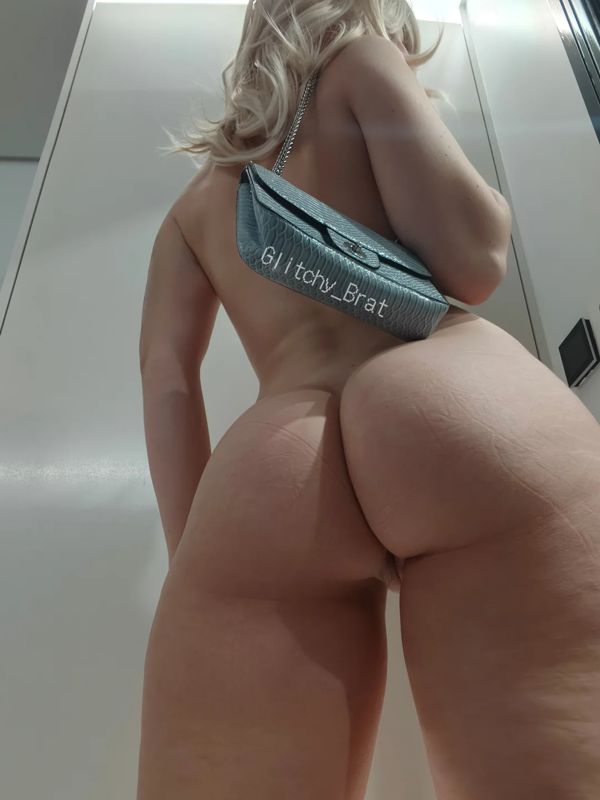
AMATEUR FLESH: GLITCHY BRAT
Some people dream of starting their own business, traveling the world, writing a book, or buying a house by the sea. Glitchy_Brat has slightly different ambitions.
On her Reddit profile, she introduces herself with a line that pretty much sums up her intentions: “Just a girl, following her dreams of being a thot”.
For anyone not completely fluent in internet slang, “thot” originally came from the acronym “That Hoe Over There.”
Not exactly the most flattering term at first, but that's the internet for you. Over time, the word took on a life of its own, becoming a label for sexually provocative women or girls who enjoy showing off online, and plenty of women eventually embraced it and started using it about themselves in a playful, ironic way.
So when Glitchy_Brat says she's “following her dreams of being a thot”, she's basically telling us that she's just a girl chasing her dream of becoming an internet thot.
And you have to give her credit for one thing: she doesn't seem like the kind of person who sits around waiting for her dreams to come true on their own.
Glitchy Brat only opened her Reddit account a few months ago, and since then she's been doing her part to achieve such a noble goal.
And as we always do whenever we find someone out there chasing their dreams, we figured the least we could do was contribute our own little bit to the cause.
# View photographs
ExtraBall







DIY
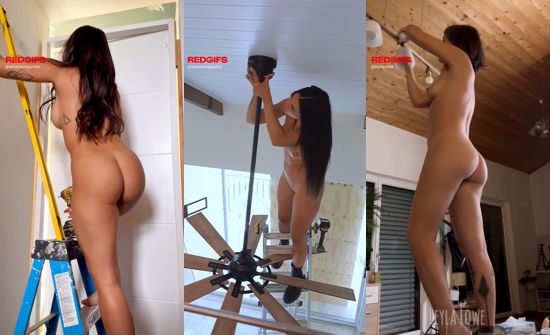
There’s something especially satisfying about DIY. You might start out wanting to hang a simple shelf and end up dismantling half the room, watching tutorials about wall anchors, and wondering why there’s always one screw left over when you finish.
The theory seems simple: measure, mark, cut, and assemble. Then reality arrives, you discover that no wall is ever completely straight, and that twenty-minute job ends up taking your entire afternoon.
Even so, few things make you feel prouder than looking at something you’ve repaired or built with your own hands. It might not be perfectly level and probably wouldn’t survive a professional inspection, but as long as it doesn’t fall down and nobody gets too close to examine the finish, we can call it a success.
Because DIY isn’t just about saving money. It also requires patience, creativity, and learning how to handle your tools properly. And we all know that any job is much more entertaining when the right tools are in good hands.
# Watch videos
 You can find much more content like this on our TELEGRAM CHANNEL
 How to unlock adult content on Telegram (Apple, Android, or any other device)
If you enter our channel and see an adult-content warning that prevents you from viewing anything, it means the restriction filter is enabled.
Go to https://web.telegram.org, log in, and open:
Settings → Privacy → Sensitive Content
Enable “Disable Restrictions” and you’re all set.
The change will automatically sync with the Telegram app on all your devices.
ExtraBall







 CamBB.xxx
We find the best live porn cams across many different cam sites like Streamate, Chaturbate, Cam4 and Stripchat.
 ChatSex.xxx
With Chat Sex you get free sex cams featuring nude cam girls you can chat with for free.

FEATURED MODEL
ONLYFANS · FREE
Foxy Uzumaki
@foxyuzumaki
Discover her photos, explore her content and access her profile for free.
RECOMMENDED SITES
 Add your site
- The Nip Slip
- Porn Pics
- sweetlicious
- celeb-stalker.com
- Erosberry
- Kanoni Net
- Shocking Porn
- Candid Teens
- Babes & Bitches
Add your site💩 CrazyShit
🤪 eFukt
👉🍑 Top XXX Pictures
Bingo Porno
Best Porn Blog Sites
 Sex Games
MrPornGeek
Hardcore Porn Videos
NSFW.Tools
Sex AI Chat
Porn Game
ShareAnyNudes
Teenager365
Best JAV Models
Hotness
HornyFap














FROSYA, THE GIRL WHO DOESN’T EXIST
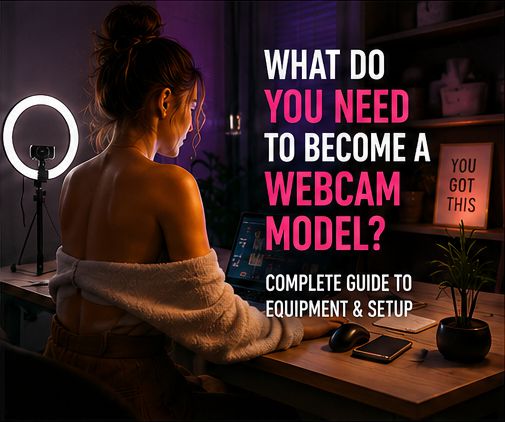
At first glance, Frosya looks like just another content creator. An extraordinarily attractive young woman who shares videos of herself talking to the camera, little moments from her life, trips, everyday activities and, of course, a generous dose of sensuality.

In her bio, she describes herself as a model, singer, dancer, creative and photographer. She also offers access to more explicit content through her paid profiles. So far, nothing that thousands of other girls on Instagram aren’t already doing. The difference is that Frosya doesn’t exist: she is an identity created using artificial intelligence.
Her face, body, gestures and seemingly ordinary life have all been generated to build an attractive, approachable and sufficiently believable character. The goal is the same as that of many similar accounts created recently: turn her beauty into viral content, attract followers and direct as many users as possible toward her paywalled profiles.
However, nowhere on the profile does it say that the girl isn’t real or that her photos and videos were created using AI. Frosya presents herself as a flesh-and-blood person, complete with hobbies, a personality, daily activities and a life that supposedly continues when the camera stops recording.
Leaving aside whether this is a legitimate commercial fantasy or a deliberate attempt to mislead users—a debate we’ve already covered on other occasions and one that calls for a certain degree of caution—what really caught my attention is the incredible level of quality this kind of content has achieved.
I knew from the very first video that it had been generated using AI. However, I’ve been working with this kind of imagery and video on a daily basis for years. I know where to look, I recognize certain movements and I can still pick up on those little warning signs that tell me something isn’t quite right. But those alarms are getting quieter.

At this point, I’m fairly certain that if I haven’t already mistaken some AI-generated content for the real thing, I will sooner rather than later. And it won’t necessarily be because I wasn’t paying attention, but because telling the real from the artificial is starting to require more time than we normally spend looking at any single post.
Perhaps the real shift won’t happen when we can no longer distinguish a real person from an invented one, but when we simply stop caring. Frosya may not have a childhood, a passport or any memories, but she posts regularly, changes outfits, visits places and builds a biography in front of thousands of followers. With enough continuity, an artificial identity can eventually feel more familiar to us than many of the real people we follow.
And that raises a new question: how long does a fiction need before it becomes a character? If we spend years watching Frosya grow, change her style, fall in love, travel or even grow older, there will come a point when we’re no longer following a simple collection of images, but an invented life shared and remembered by real people.
What’s more, these girls aren’t designed simply to be beautiful. They can be modified according to the audience’s reaction: a different hairstyle if it generates more clicks, a new personality if it attracts more comments or a slightly different body if it increases subscriptions. We would no longer be looking at a model trying to appeal to her audience, but at a person gradually manufactured from the desires of those watching her.
Today, we know that Frosya doesn’t exist. The unsettling thought is that, before long, this may become the least important part of the entire story.

# View the photos
ExtraBall
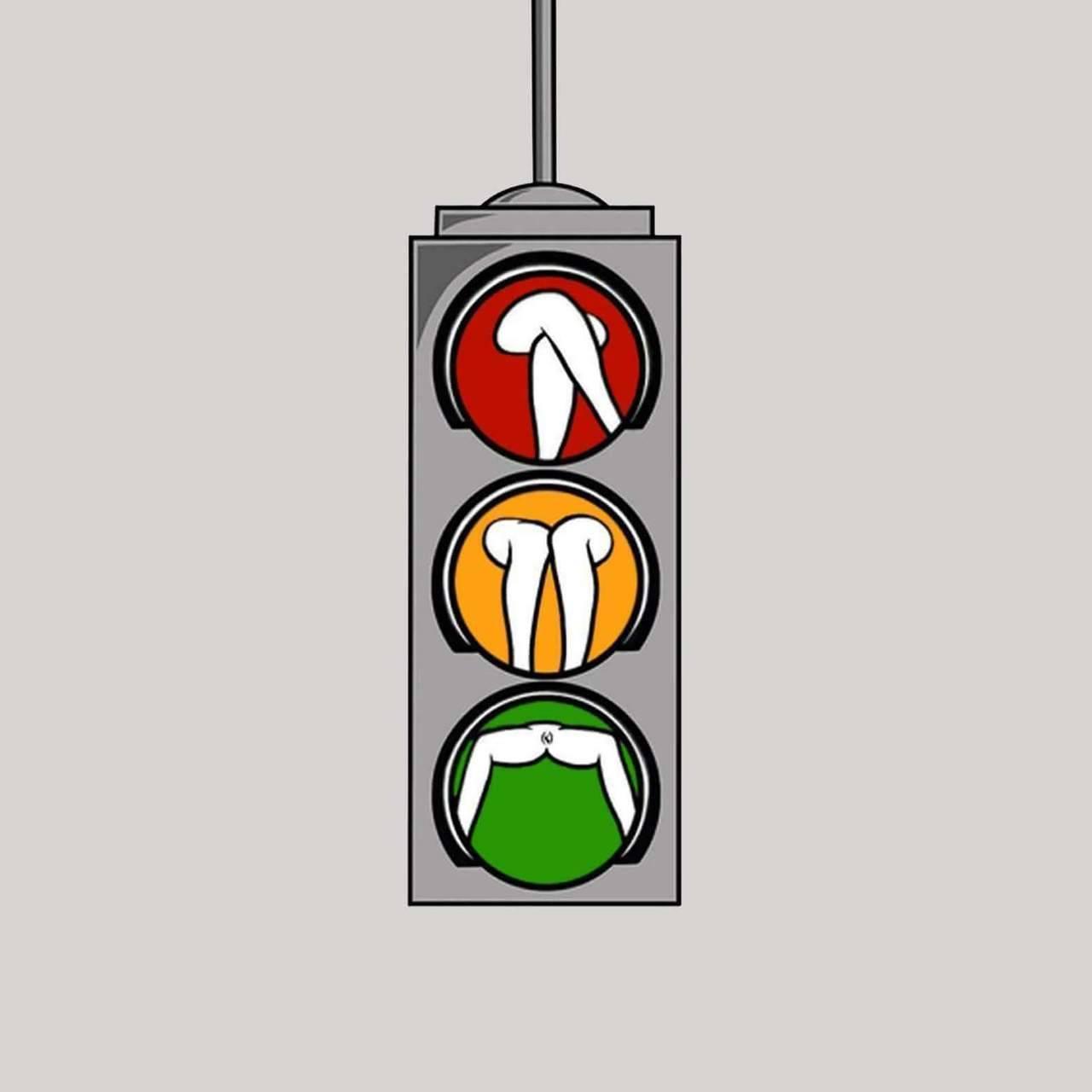
Green light: full speed ahead.
ExtraBall2






THE EROTICISM OF GALYA
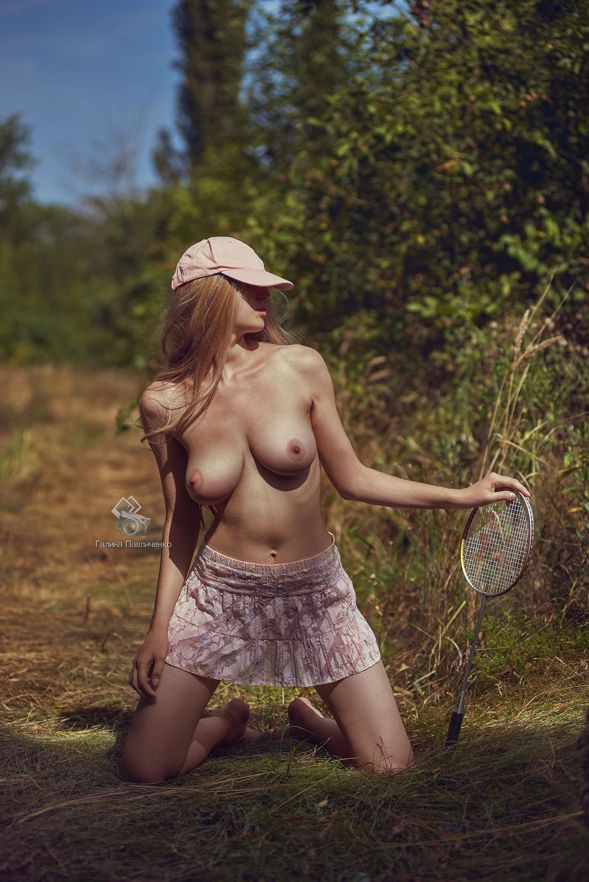
Galya is a Russian-born photographer focused on the nude female body. She's focused and I'm obsessed. We already have something in common.
Her work revolves around the female nude, with elegant, carefully composed photographs where the models aren't exactly trying too hard to hide from the camera.
There's not much playing around with showing without actually showing here. There's skin, there's nudity, and there's plenty to look at, but always through photography that tries to maintain that balance between eroticism, beauty, and naturalness.
A selection of Galya's work to remind us that you can show practically everything without losing your sense of style.
# View photos
ExtraBall
69
ExtraBall2









Contact
You can tell us whatever you want via email: [email protected]
If you prefer, you can use this contact form:
If you prefer, you can use this contact form:




AUGUST IS SLIPPING AWAY
August officially ends on Monday, but we’ve decided to say goodbye to it today, the way it deserves, because the end of August should always be marked with a minute of silence, a cold beer and a distant stare into the horizon.
August isn’t just a month. August is a way of looking at life. It’s the month we automatically associate with holidays, even if it’s been years since we had the kind of summer break we remember from childhood. It means waking up without an alarm, having no idea what day it is, eating at ridiculous hours and discovering that a shower, a pair of flip-flops and a clean T-shirt can be considered perfectly acceptable formalwear.
For a few weeks, even people without a penny to their name get to feel rich. Not because their bank balance suddenly has more zeros, but because they have something far more valuable: time in which nobody is telling them what to do.
You can be sitting on your balcony in a plastic chair, drinking a can of beer while listening to your neighbor argue with his wife, and still feel as though life is smiling at you. Because you don’t have to work tomorrow. Because you don’t need to set the alarm. Because for a few hours, the world can keep spinning without you having to take part in it.
But everything comes to an end. The suitcases go back into the closet, the flip-flops return to the bottom of the shoe rack and the alarm clock reappears on the bedside table with the same asshole attitude it has always had. September arrives loaded with schedules, unanswered emails, school runs, traffic and people claiming that this time they really are going to start taking the gym seriously.
Most people will already have to start looking ahead to August 2027 to fantasize about that brief period of the year when we can pretend we’re actually in control of our own lives. There are twelve months to go, but there’s no point thinking about it too much. We just have to keep surviving one week at a time, one public holiday at a time and one beer at a time.
Today, we raise a glass to August. To those who traveled to the other side of the world and those who never left their neighborhood. To those who slept in five-star hotels and those who set up an inflatable pool on the terrace. Because holidays aren’t always about going somewhere far away. Sometimes they’re simply about nobody being able to force you to be anywhere else.
Until next year, August. You didn’t last long, you cost us far too much and, as always, you disappeared just as we were starting to get used to being alive.

# Watch videos
You can find much more content like this on our TELEGRAM CHANNEL
ExtraBall







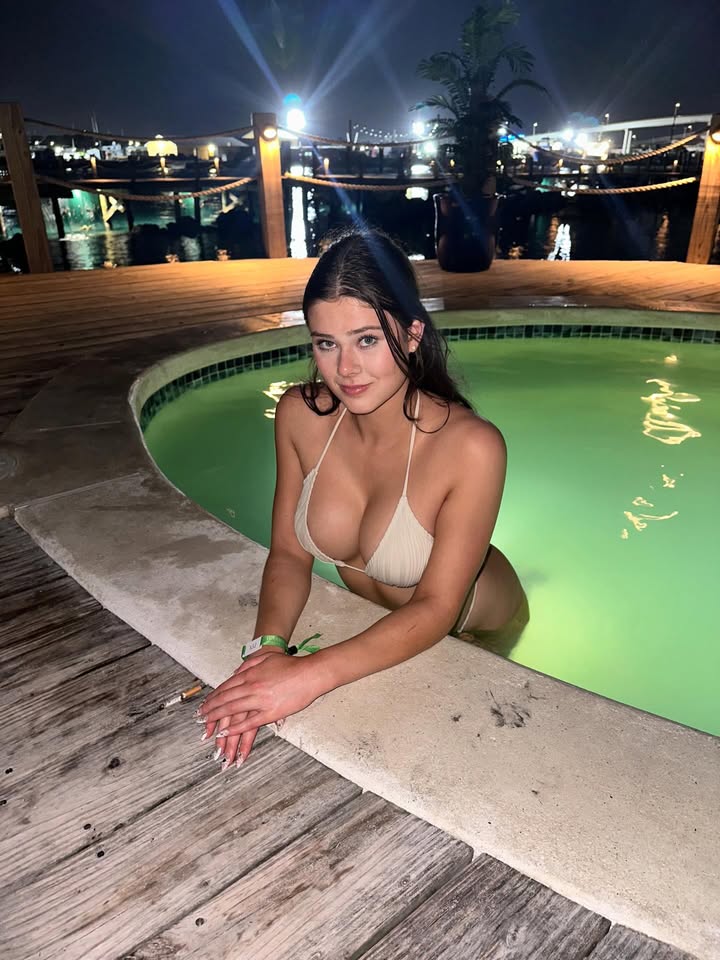
THE INSTAGRAM OF THE DAY: SOAPYSHAYNA
Shayna Loren
Seattle ♡
# View photos
You can also follow us on our INSTAGRAM ACCOUNT
ExtraBall
Her new phone.
ExtraBall2