Eporner HD Sex Porn Discounts Sex Games Porn Games XXX Games Hentai Games PornStar Games 3D Porn Celebrity Sex Videos
Live Sex Free Live Sex Free Sex Games Páginas Porno Nude Celebrities TikTok Porn Sex Cam RoseToy Official Cams Porno AI Porn
Live Sex Free Live Sex Free Sex Games Páginas Porno Nude Celebrities TikTok Porn Sex Cam RoseToy Official Cams Porno AI Porn

Published on 2019/09/11
Egor Zhinkov is our recommended erotic artisan for today.
FUCK ANY GIRL WITH AI




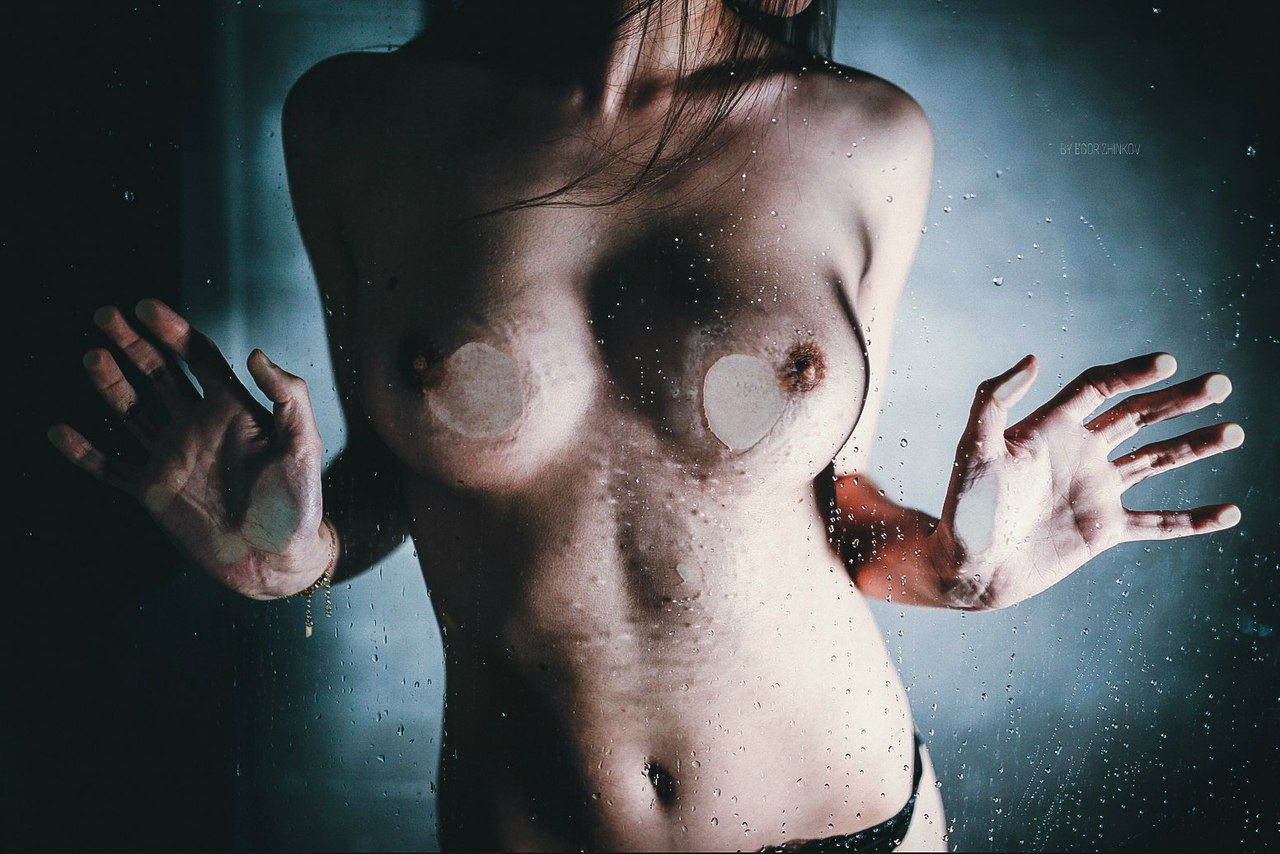








EGOR ZHINKOV'S NUDE PHOTOGRAPHY
The eroticism in our time, nowadays that we're living a big sexual exposition, is like eating with silver cutlery. I mean, the silver cutlery is used only in special occasions, when you're celebrating something, when it's important the moment than the meal.Egor Zhinkov is our recommended erotic artisan for today.
FUCK ANY GIRL WITH AI








I’LL BUY YOU A DRINK VOL8
Some people need three drinks to lose their inhibitions, while others simply leave them at home. The stars of this latest installment clearly belong to the second group. Although their intention isn’t just to have a drink and enjoy the atmosphere—although that’s part of it too.
For a content creator, any place can become a location for shooting something new, and a table covered with drinks, a crowded bar, or a quiet corner of the venue makes a much more interesting backdrop than the same old bedroom.
As soon as the phone points at them, their particular workday begins: a knowing look at the camera, a smile, a quick glance around, and the tits come out. Just a few seconds of footage that will end up on their social media while the other customers keep drinking, completely unaware that someone has just clocked in and completed her shift right in front of them.
Because going out for drinks with friends is great, but taking the opportunity to work and heading home with fresh content shows that they really know how to manage their time.

# Watch videos
 You can find much more content like this on our TELEGRAM CHANNEL
How to unlock adult content on Telegram (Apple, Android, or any other device)
If you enter our channel and see an adult-content warning that prevents you from viewing anything, it means the restriction filter is enabled.
Go to https://web.telegram.org, log in, and open:
Settings → Privacy → Sensitive Content
Enable “Disable Restrictions” and you’re all set.
The change will automatically sync with the Telegram app on all your devices.
ExtraBall


GREEN, HOW I WANT YOU GREEN VOL4
A while ago, we started a little series called Pink, Fuchsia or Magenta, mainly because we discovered that apparently calling everything that looks pink to us simply “pink” is considered an unacceptable oversimplification of the color spectrum.
Apparently not. It can be pink, fuchsia, magenta, blush pink, bubblegum pink, dusty pink... and probably another fifteen shades that someone could distinguish by placing them side by side while we nod along pretending we can see the difference.
Well, exactly the same thing happens with green.
There's olive green, bottle green, emerald green, mint green, pistachio green, lime green, forest green, military green, jade green, moss green... and probably another forty shades of green whose names I don't know and have absolutely no intention of learning.
At ALRNCN, we're simple people. So if it looks green, it's green.
We're not going to waste valuable time trying to decide whether a woman's bra is emerald green with hints of jade or forest green leaning toward bottle green. We have a responsibility to our readers, and there are matters that require our attention far more urgently.
So while color experts can happily argue about shades, saturation and nuances, we'll continue a series based on a much more efficient color classification system:
GREEN, HOW I WANT YOU GREEN.
And inside you'll find women wearing green clothes. Not many of them.
We really don't need to know much more.

# Watch videos
You can find much more content like this on our TELEGRAM CHANNEL How to unlock adult content on Telegram (Apple, Android, or any other device)
If you enter our channel and see an adult-content warning that prevents you from viewing anything, it means the restriction filter is enabled.
Go to https://web.telegram.org, log in, and open:
Settings → Privacy → Sensitive Content
Enable “Disable Restrictions” and you’re all set.
The change will automatically sync with the Telegram app on all your devices.
ExtraBall








 CamBB.xxx
We find the best live porn cams across many different cam sites like Streamate, Chaturbate, Cam4 and Stripchat.
 ChatSex.xxx
With Chat Sex you get free sex cams featuring nude cam girls you can chat with for free.

FEATURED MODEL
ONLYFANS · FREE
Kaori Uchiha
@cosplaykaori
Discover her photos, explore her content and access her profile for free.

RECOMMENDED SITES
 Add your site
- The Nip Slip
- Porn Pics
- Erosberry
- sweetlicious
- celeb-stalker.com
- Kanoni Net
- Shocking Porn
- Candid Teens
- Babes & Bitches
Add your site💩 CrazyShit
🤪 eFukt
👉🍑 Top XXX Pictures
Bingo Porno
Best Porn Blog Sites
 Sex Games
MrPornGeek
Hardcore Porn Videos
NSFW.Tools
Sex AI Chat
Porn Game
ShareAnyNudes
Teenager365
Best JAV Models
Hotness
HornyFap


















USING A CUSHION OR PILLOW AS AN EXCUSE
The internet is full of trends that probably started because someone did something, someone else decided to copy it, and before we knew it, there were enough identical videos to dedicate an entire post to them.
This time, the only requirement seems pretty simple: stand in front of the camera holding a cushion or pillow to cover your body and stay like that for a few seconds.
Just long enough to build a little anticipation, because we all know perfectly well that nobody pressed play to check out these girls' pillow collections.
Then comes the second part of the trick: the cushion drops, gets tossed aside, or simply disappears from the frame, no longer serving the only purpose it was invited for.
A compilation dedicated to all those pillows that enjoyed a few seconds in the spotlight before discovering that they were actually completely unnecessary.

# Watch videos
You can find much more content like this on our TELEGRAM CHANNEL How to unlock adult content on Telegram (Apple, Android, or any other device)
If you enter our channel and see an adult-content warning that prevents you from viewing anything, it means the restriction filter is enabled.
Go to https://web.telegram.org, log in, and open:
Settings → Privacy → Sensitive Content
Enable “Disable Restrictions” and you’re all set.
The change will automatically sync with the Telegram app on all your devices.
ExtraBall


THE INSTAGRAM OF THE DAY: BARMAIDRUBY
BAR MAID❌
bartender & a model 🖤🖤

# View the photos
You can also follow us on our INSTAGRAM ACCOUNT
ExtraBall
#beach #summer #friends #girls #couples

ExtraBall2





Contact
You can tell us whatever you want via email: [email protected]
If you prefer, you can use this contact form:
If you prefer, you can use this contact form:






THE INSTAGRAM OF THE DAY: LAVAXGRLL
Mariah Casillas
LA | SD
the law of attraction brought you here 🫶🏻

# View the photos
You can also follow us on our INSTAGRAM ACCOUNT
ExtraBall
It’s never too late to take an interest in the world of fashion.
ExtraBall2




ALL FOR A GOOD TIP
Have you ever seen those places where you can order coffee without getting out of your car and the barista serves you wearing nothing but a bikini? They've been running this particular business model in the United States for years, where the caffeine matters, but it clearly isn't the only reason some customers keep coming back every morning.
A few years ago, we dedicated a post to one of the most famous baristas at Bikini Beans Espresso, a chain that realized you can find coffee on practically every corner, but a bikini-clad barista serving it directly through your car window is much harder to forget.
From there, each barista decides how far she wants to take the experience. Some simply prepare your order, smile, and wish you a nice day. Others, when the customer proves to be generous, seem willing to offer a little more than some extra milk in the coffee.
Because a good tip can considerably improve the service and, at certain places, persuade the barista to put on a little personalized show without you ever having to leave the driver's seat.
The coffee might not be the best in town, but some customers certainly leave feeling wide awake.

# Watch video
ExtraBall
Chris's pimple.

ExtraBall2