Eporner HD Sex Porn Discounts Sex Games Porn Games XXX Games Hentai Games PornStar Games 3D Porn Celebrity Sex Videos
Live Sex Free Live Sex Free Sex Games Páginas Porno Nude Celebrities TikTok Porn Sex Cam RoseToy Official Cams Porno AI Porn
Live Sex Free Live Sex Free Sex Games Páginas Porno Nude Celebrities TikTok Porn Sex Cam RoseToy Official Cams Porno AI Porn

Published on 2026/07/27
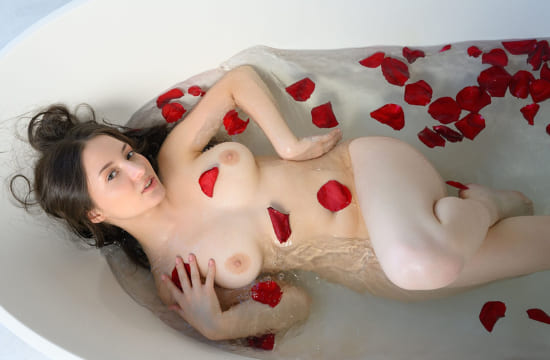
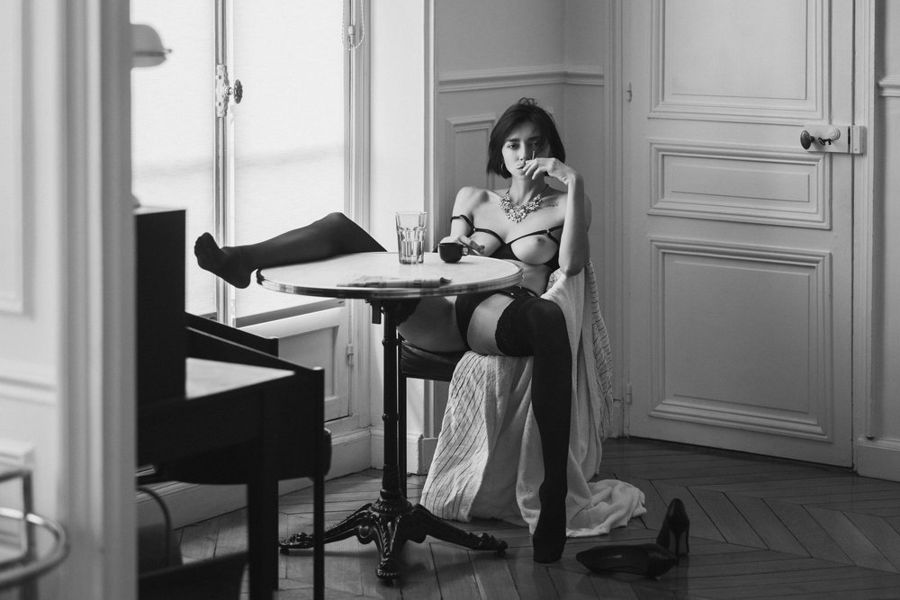
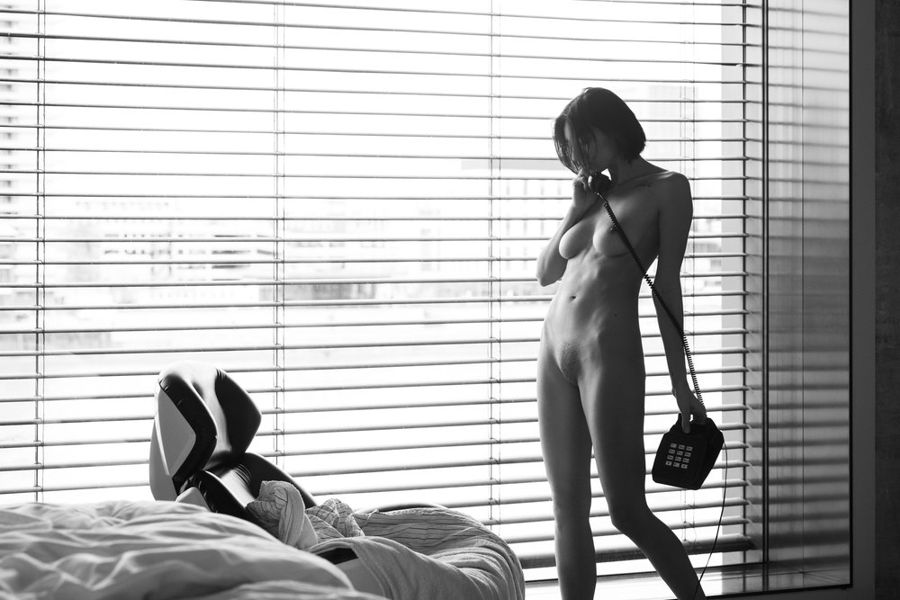
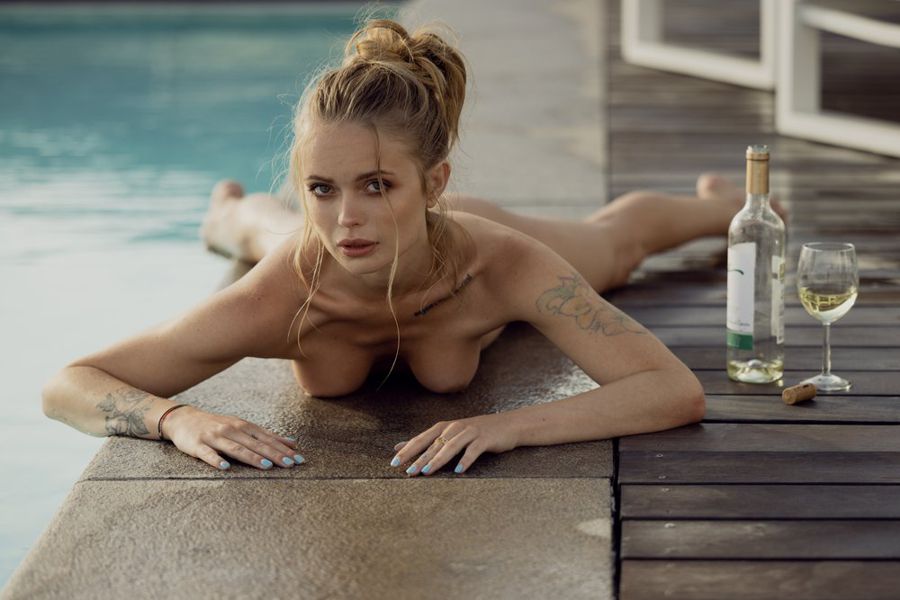
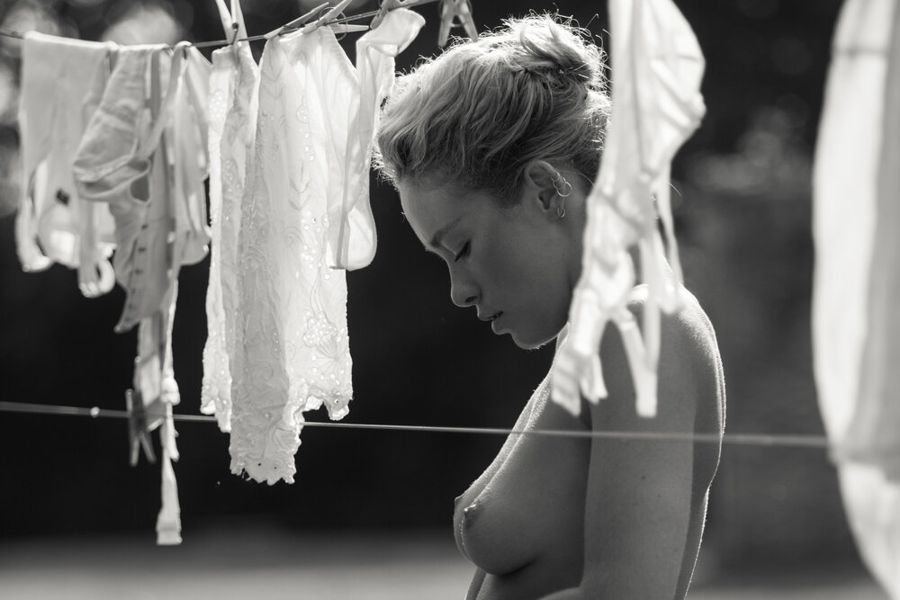
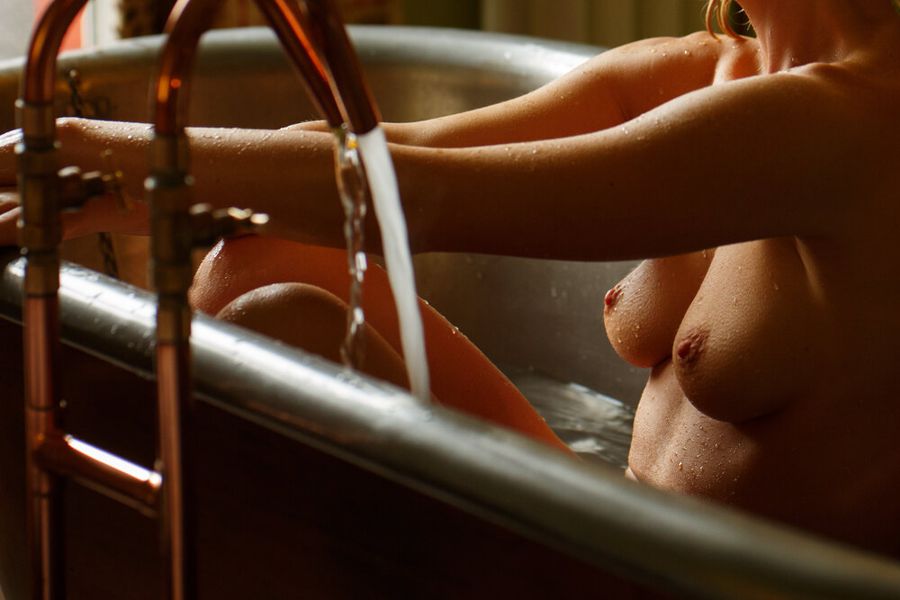
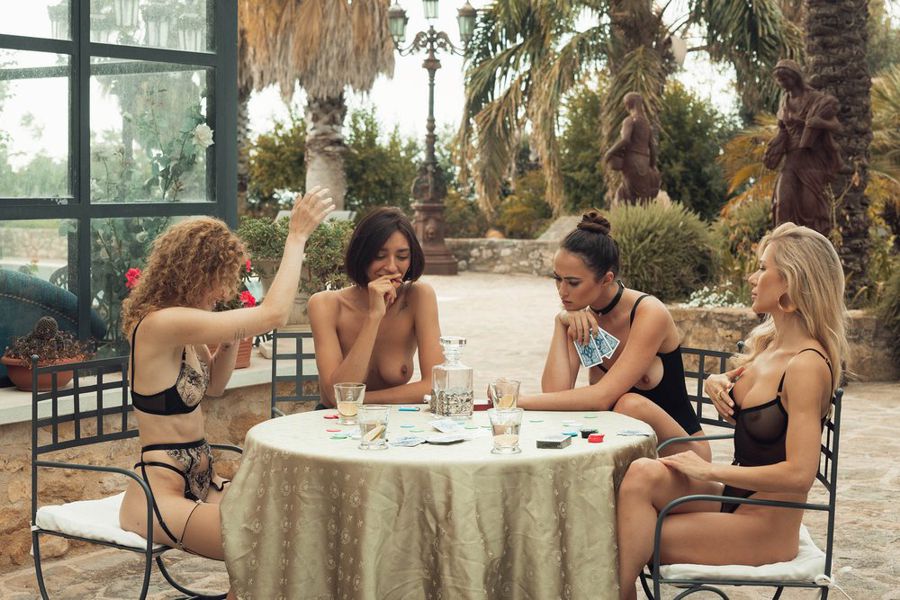
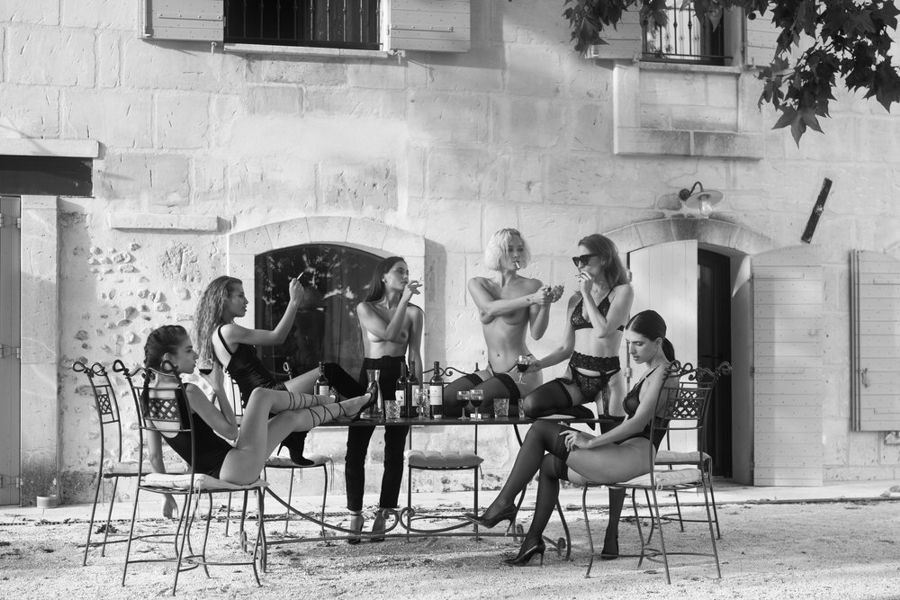
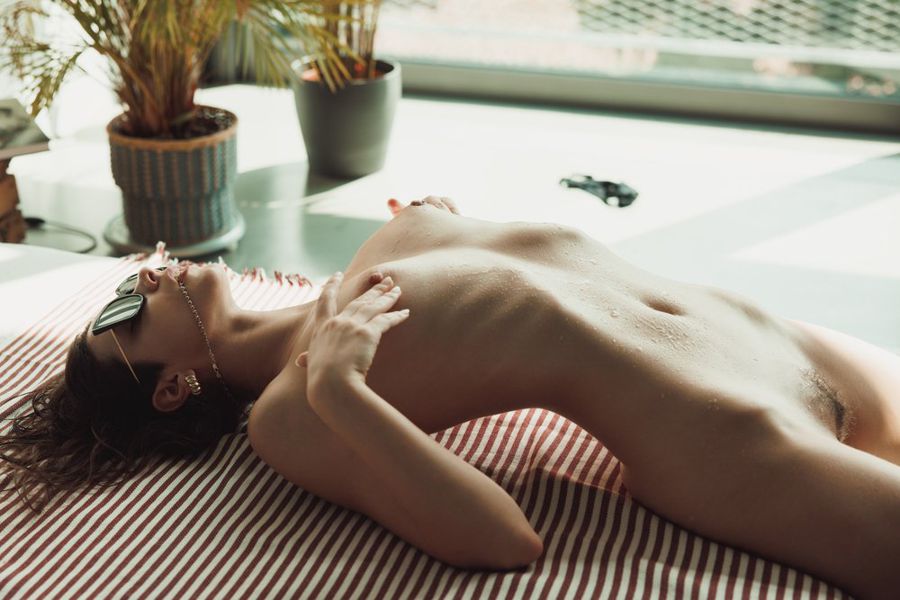
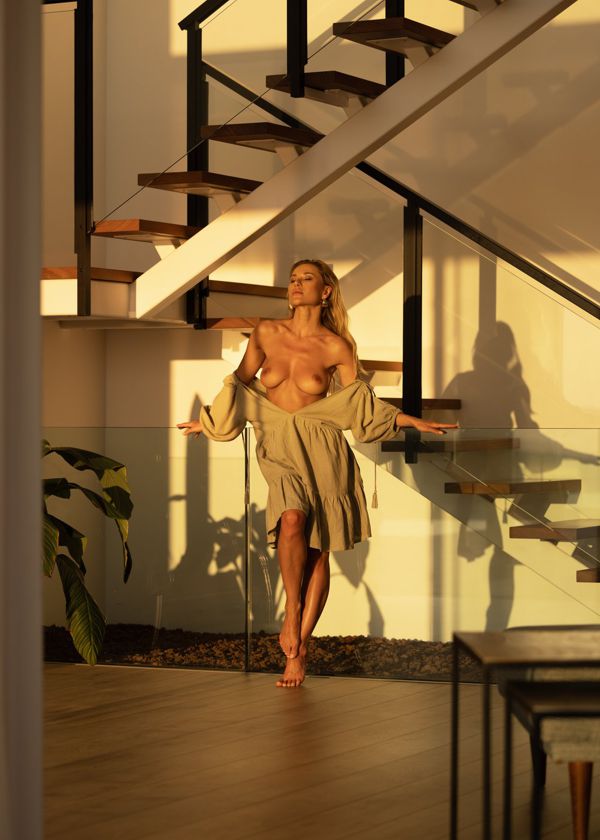
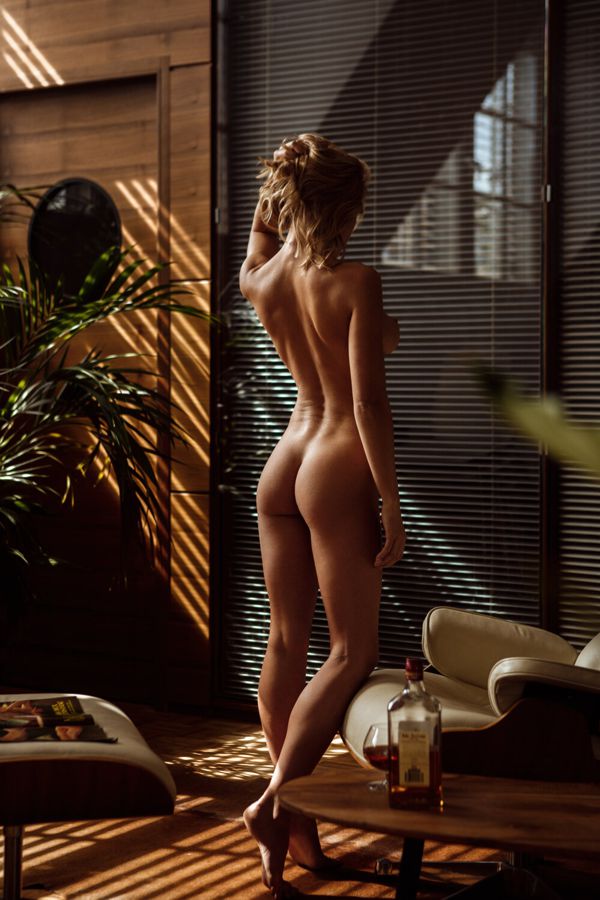
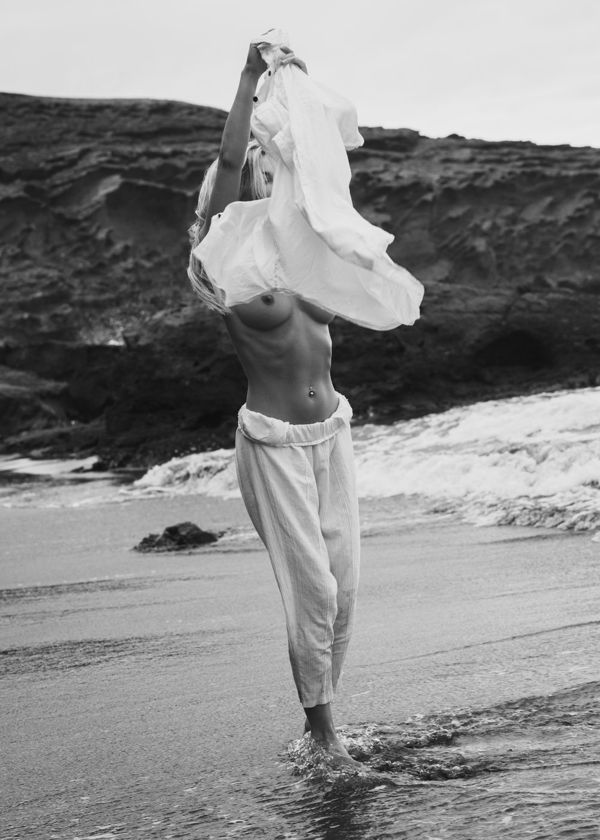
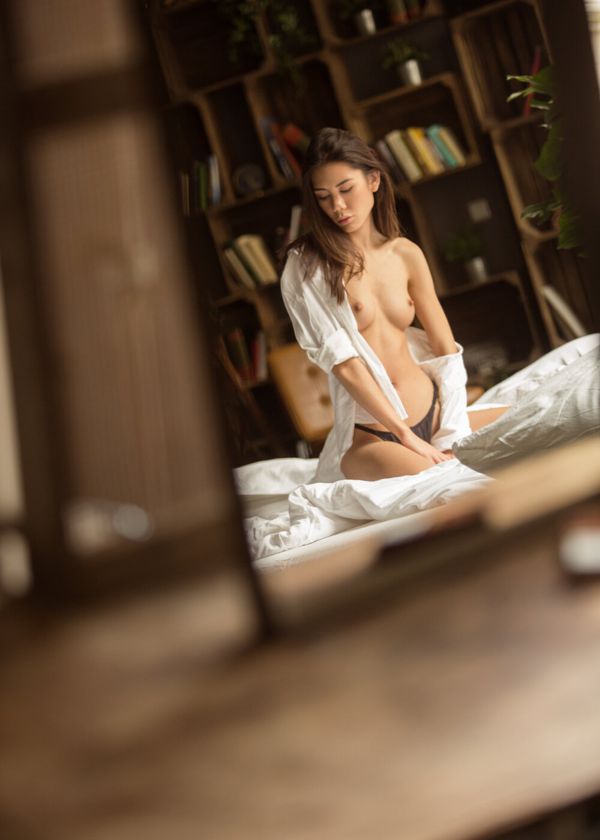
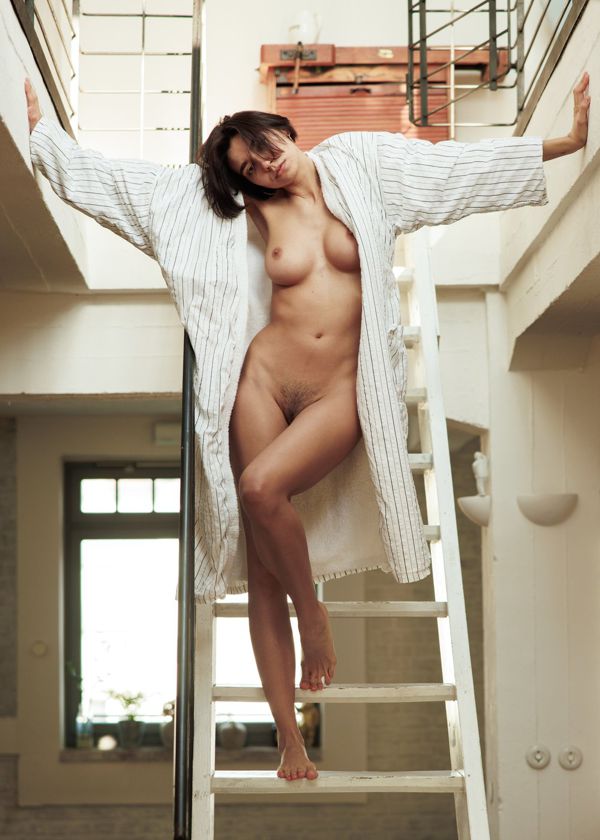
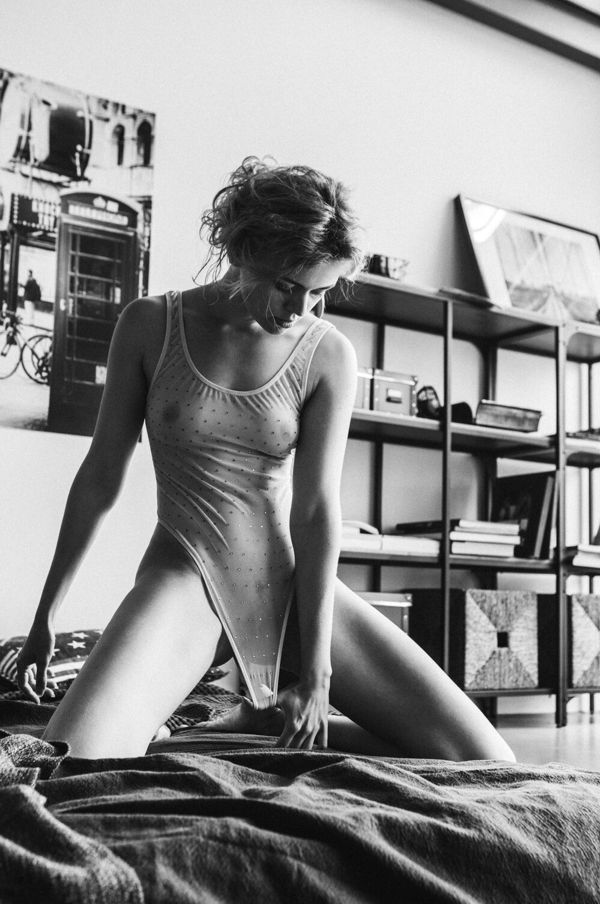
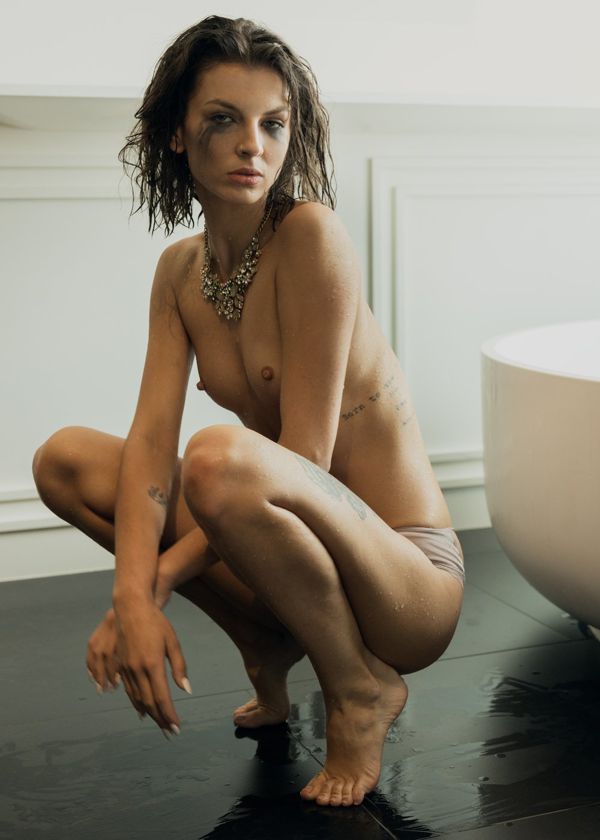
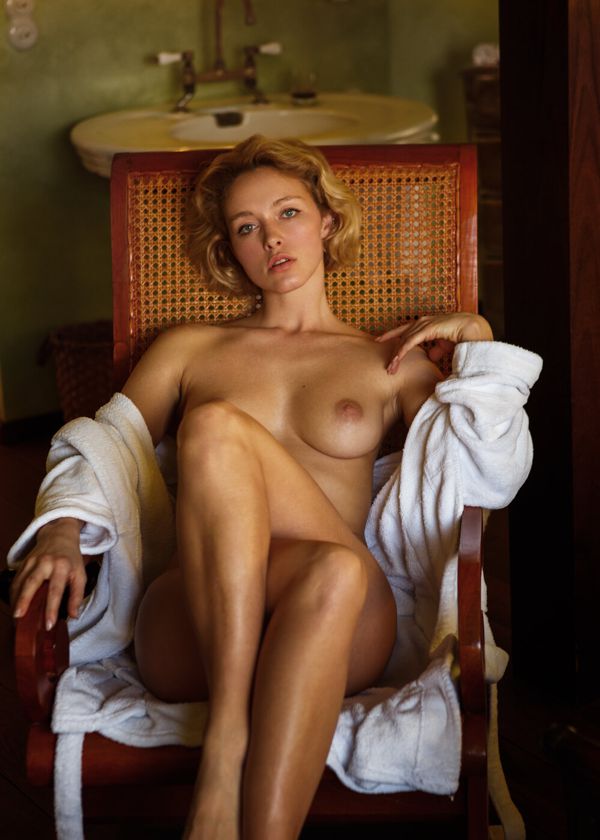
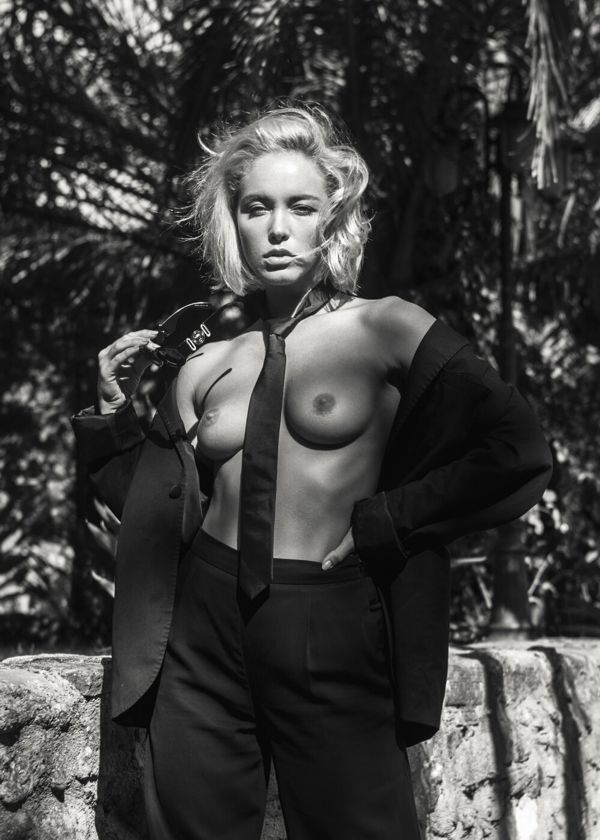
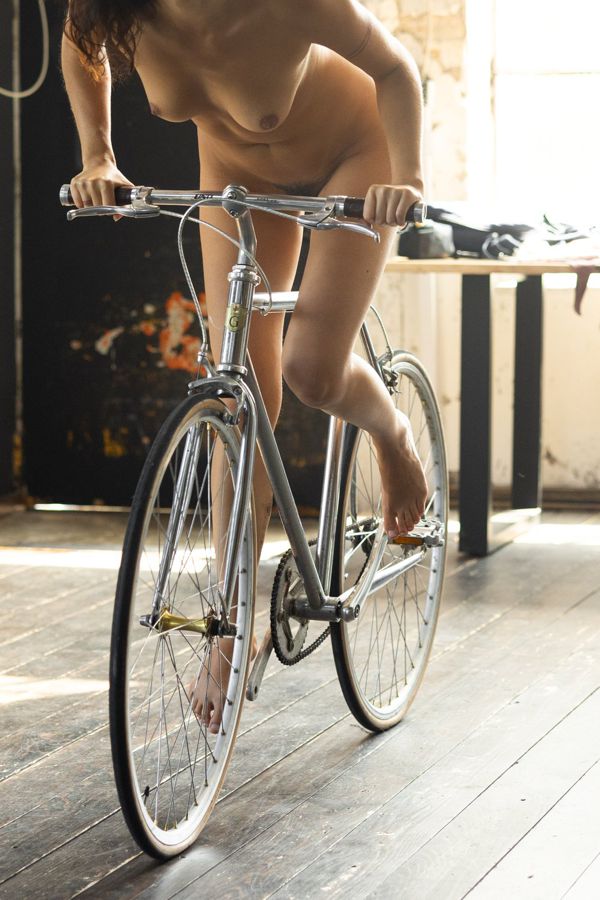
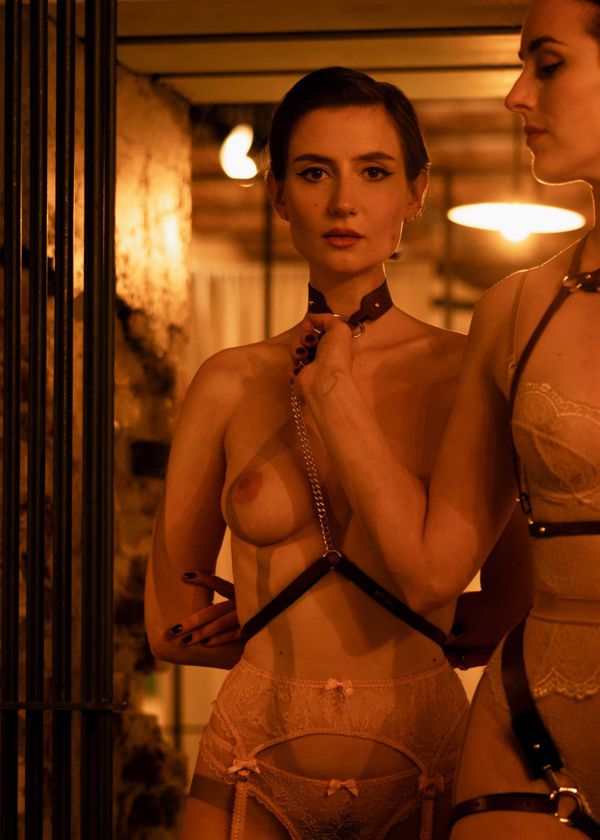
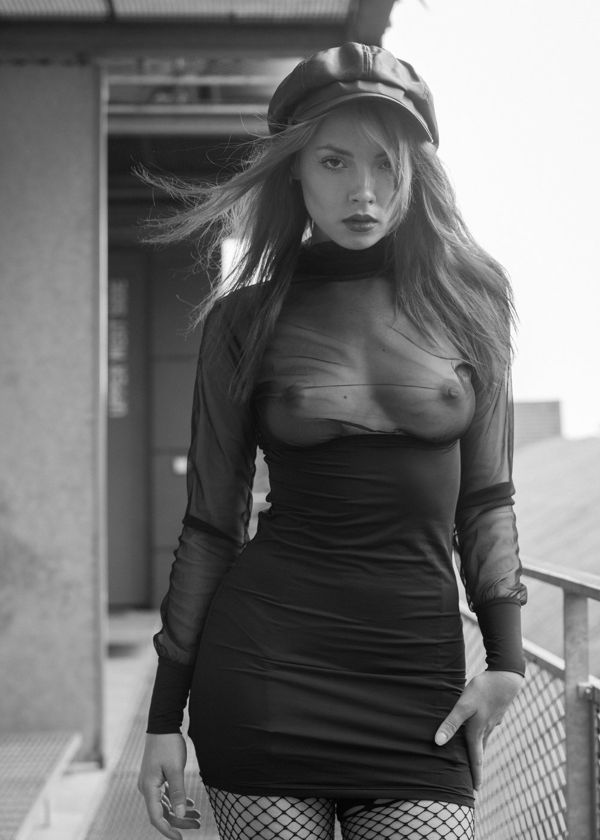
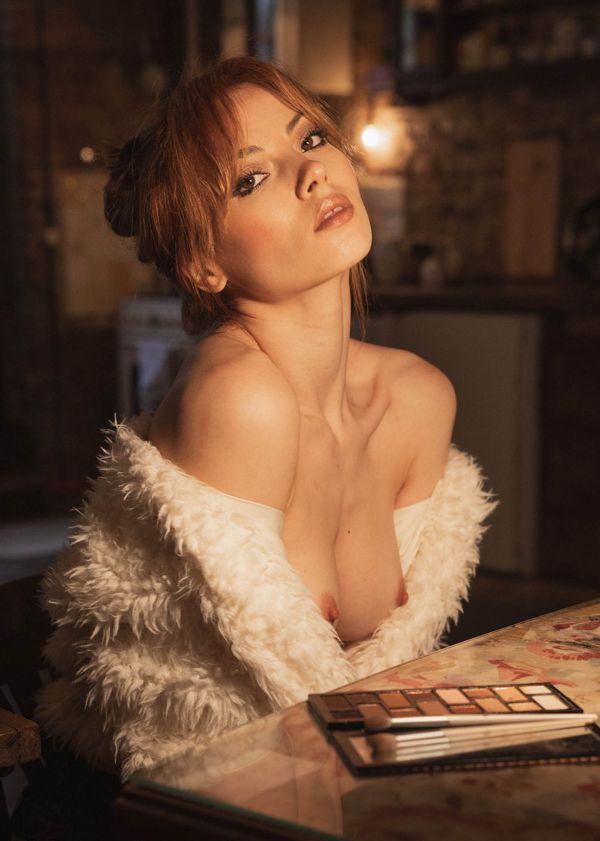
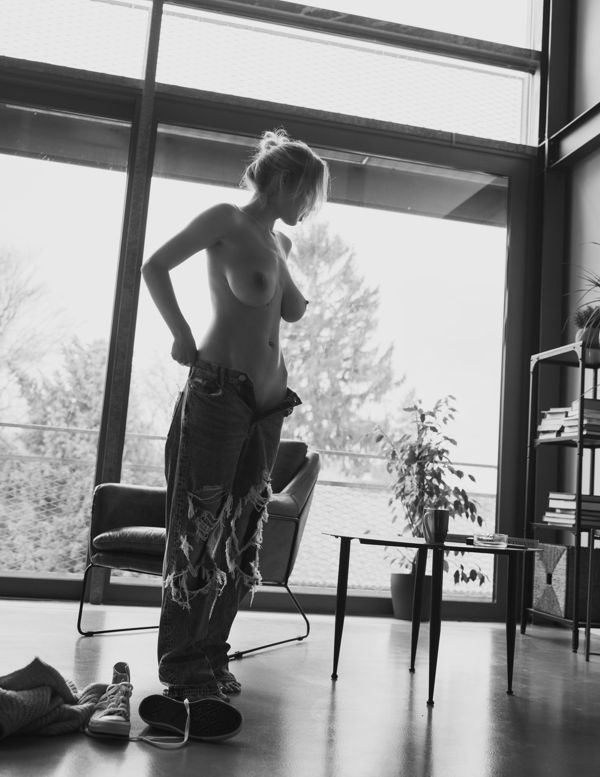
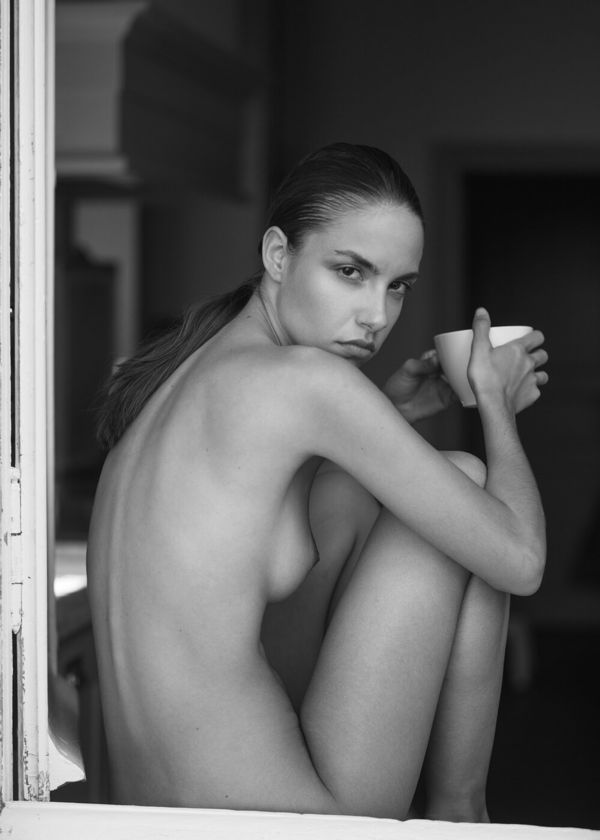
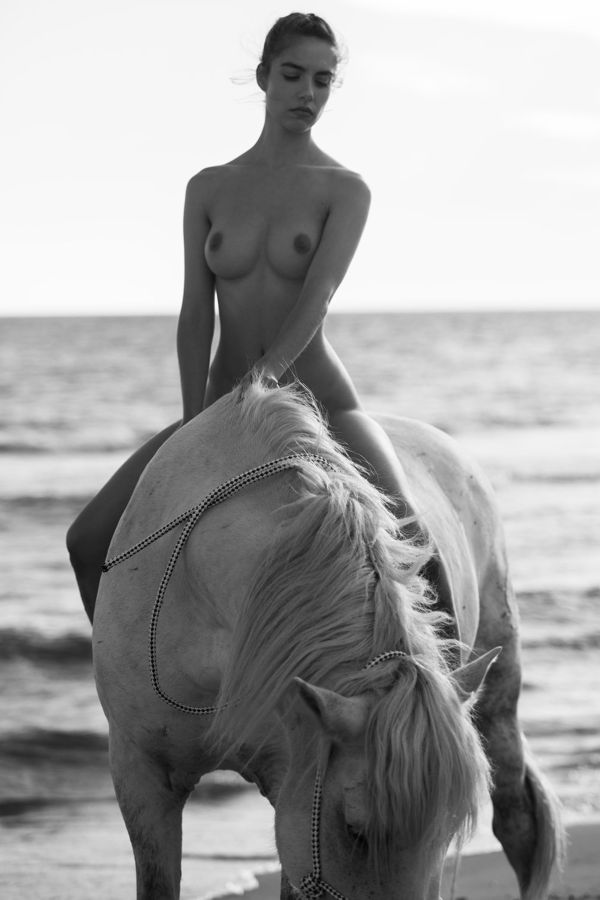
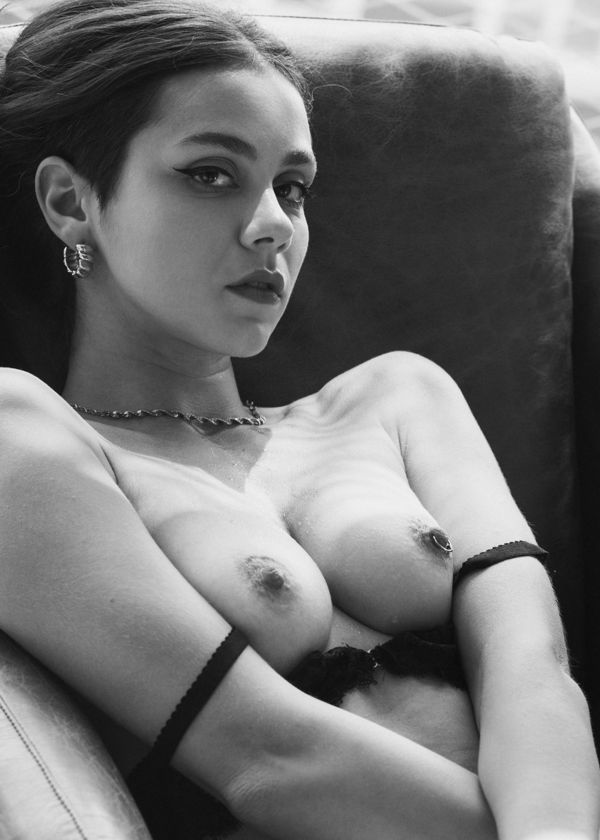
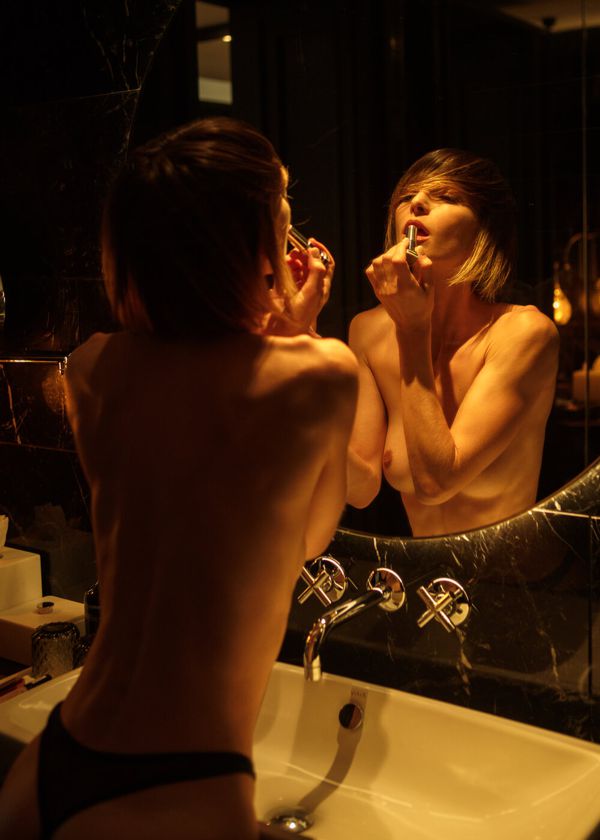
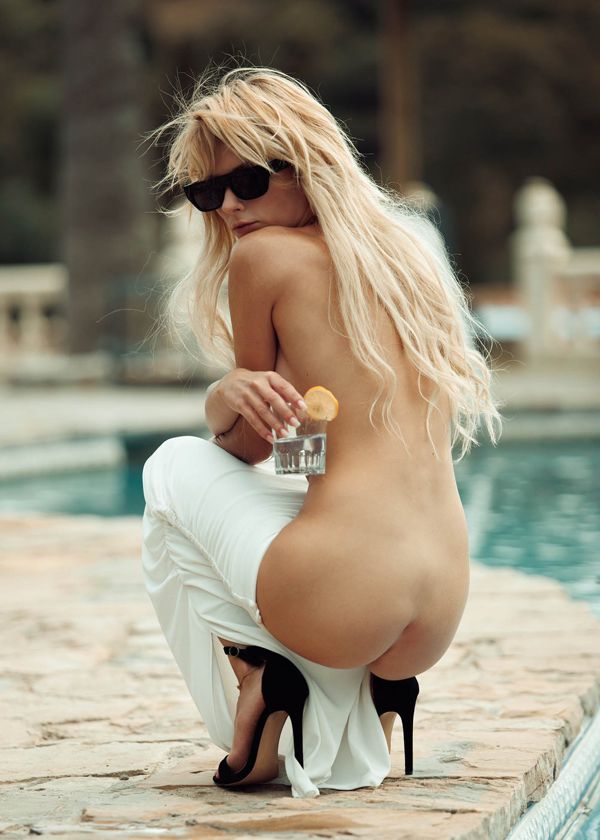
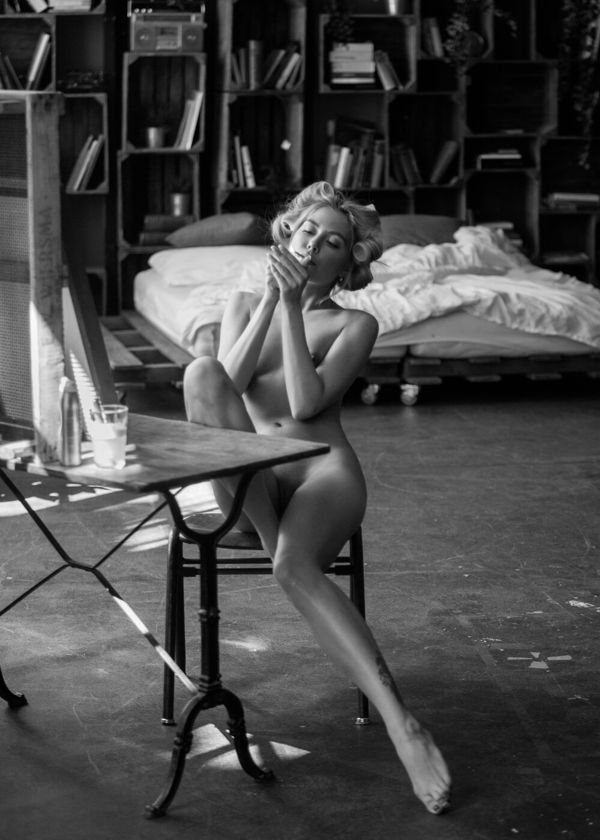
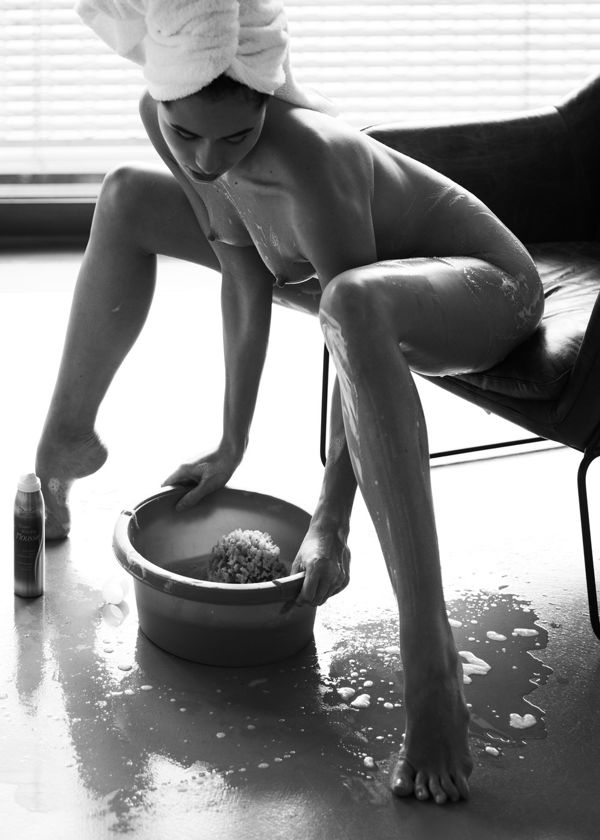
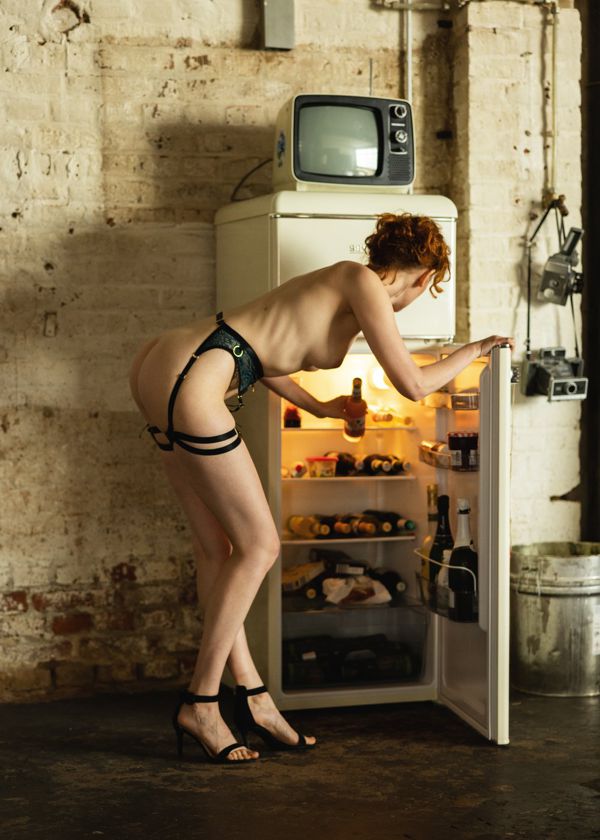
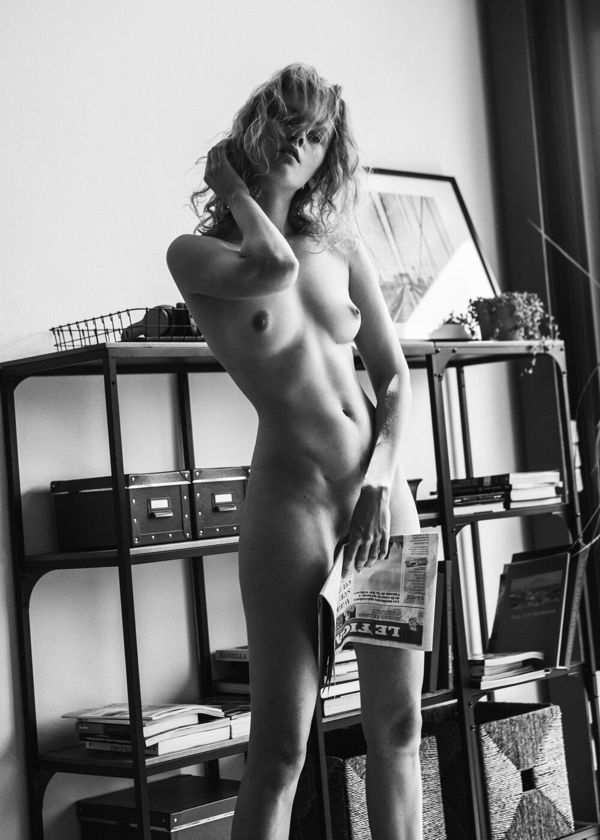
Over the years, his lens eventually turned in a different direction. Walendy discovered a new creative outlet in photographing people and, in particular, female nudes as a way to explore the beauty, naturalness, and personality of each model.
Although he describes himself as a non-professional photographer, the quality and evolution of his work speak for themselves. His photographs have appeared in various magazines and online platforms, proving once again that the "professional" label doesn't always determine the talent of the person behind the camera.
Below, we leave you with a selection of Hannes Walendy's nude photography.
FUCK ANY GIRL WITH AI


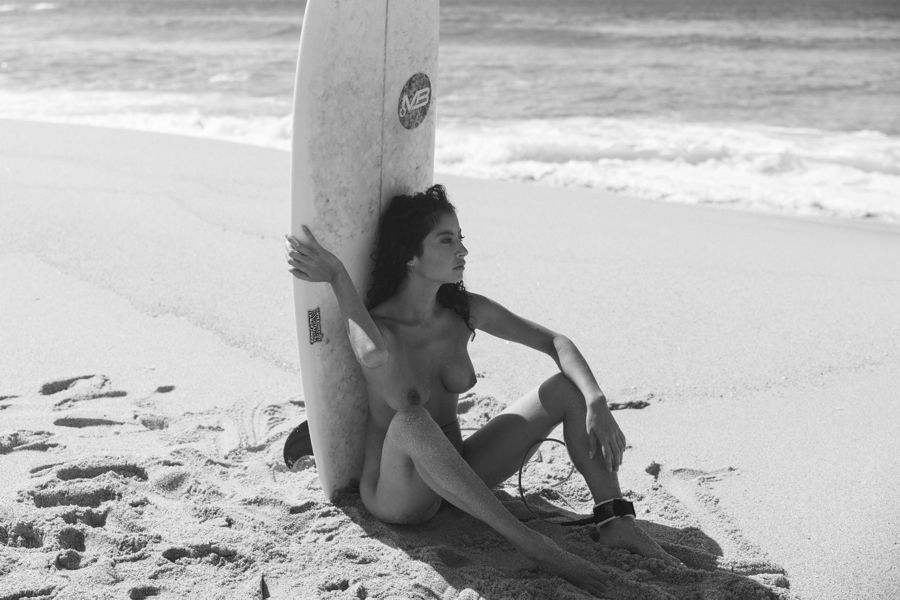
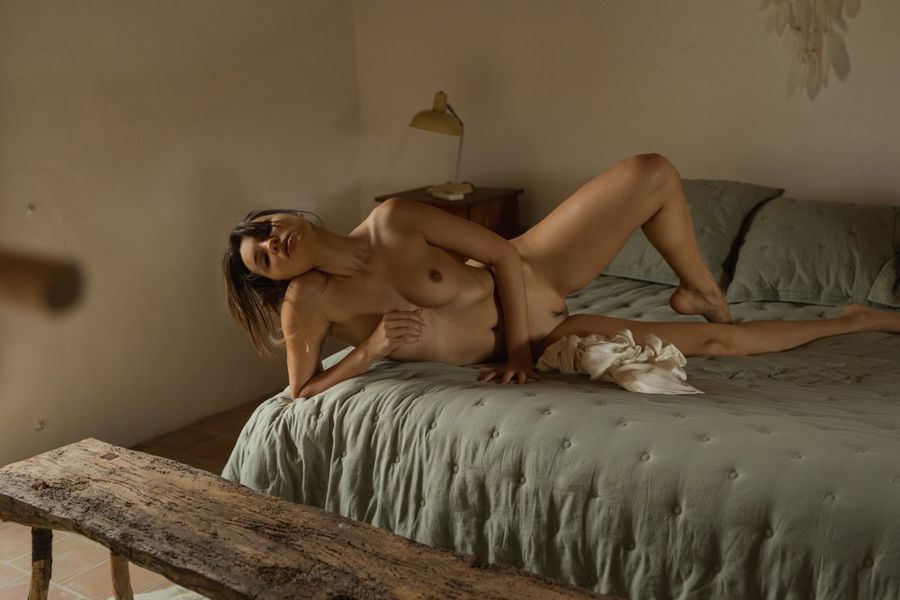
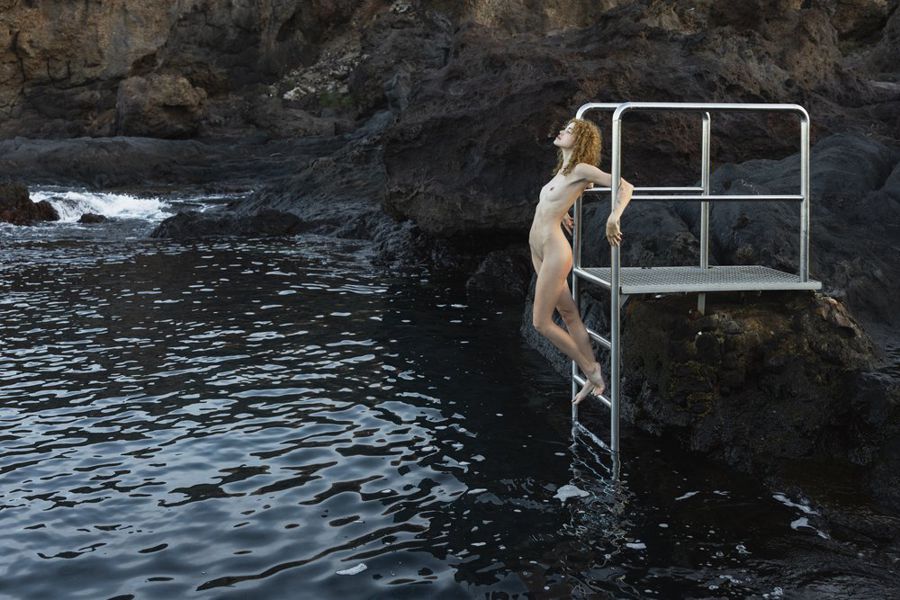
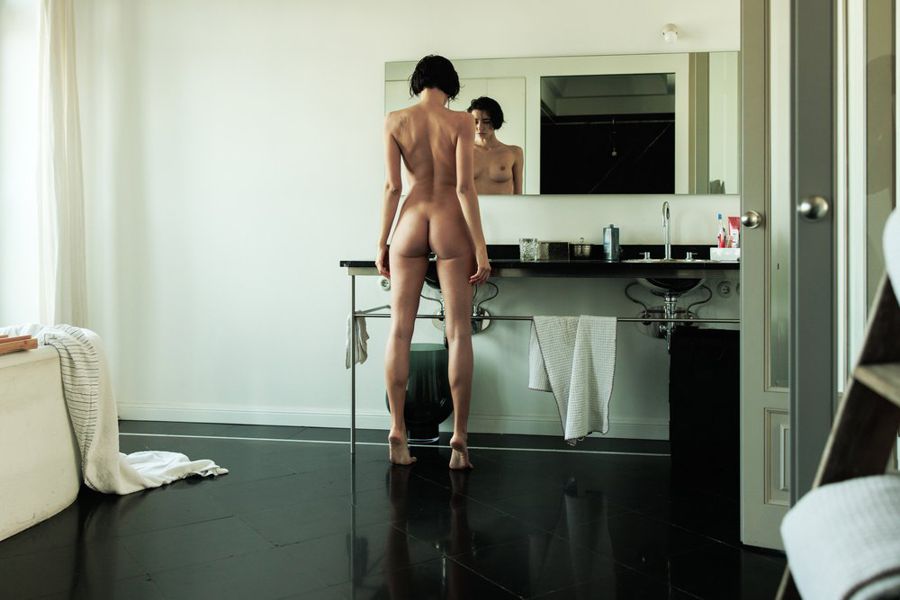
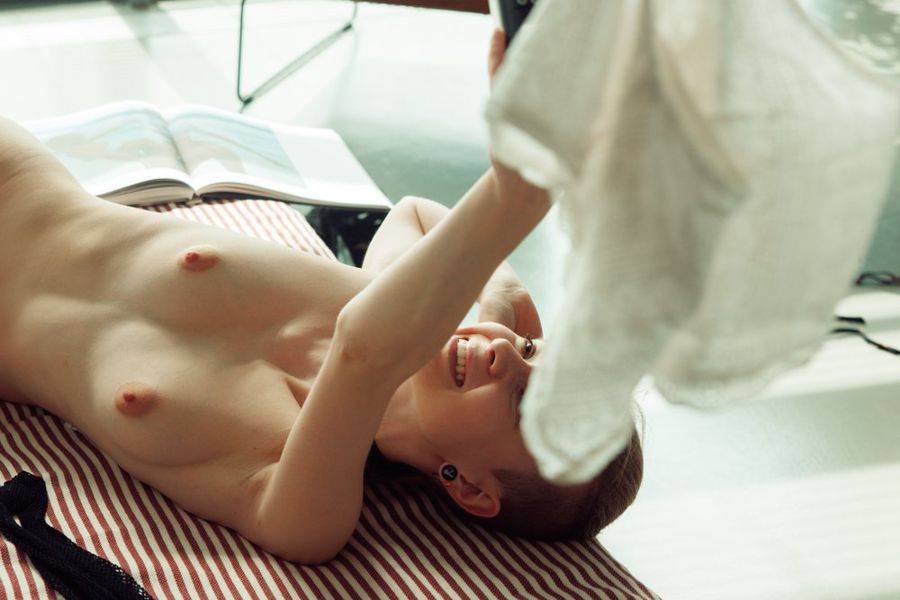
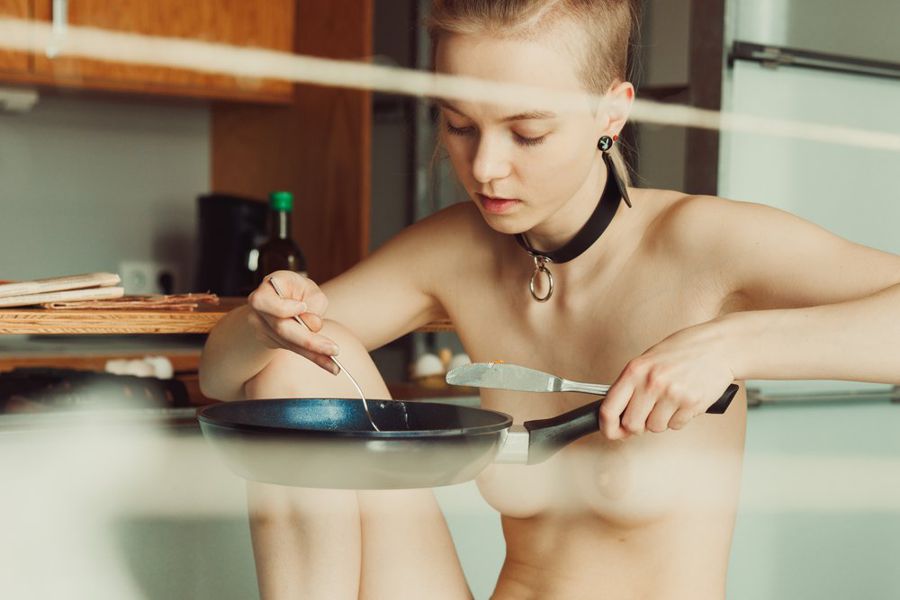

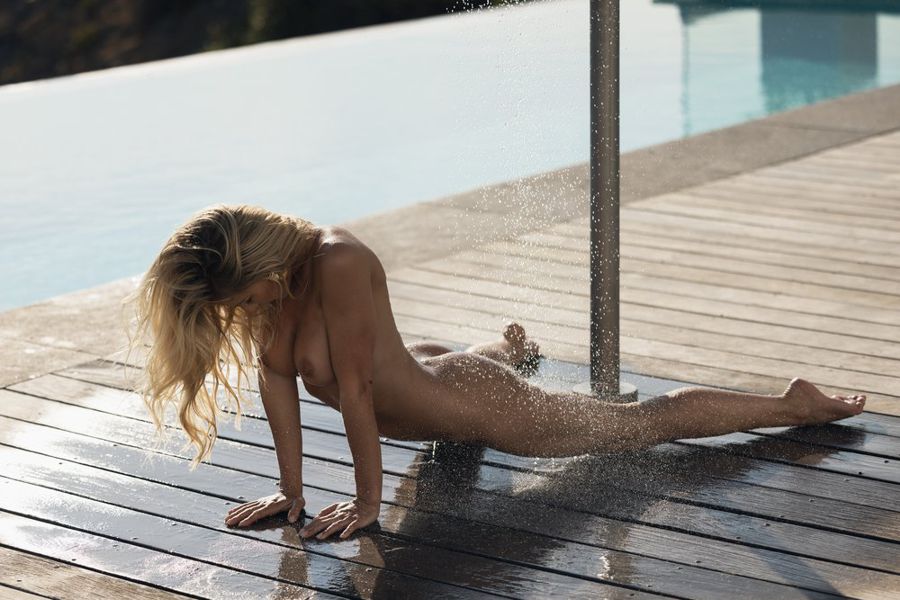
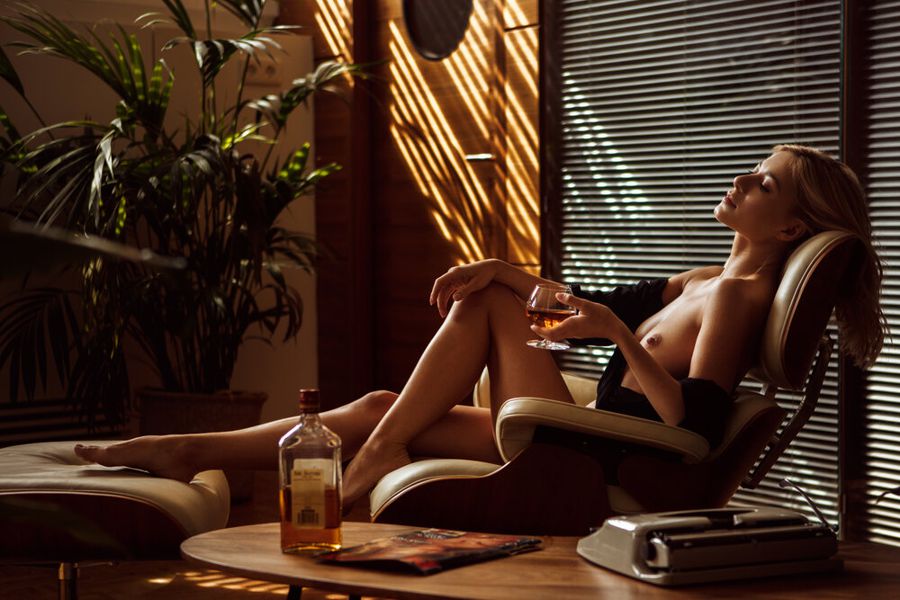


HANNES WALENDY'S NUDES
Hannes Walendy is a photographer based in Stuttgart, Germany, whose relationship with photography began far from studios and portraits. He first started out photographing horses, a hobby that gradually sparked his interest in nature and wildlife photography.Over the years, his lens eventually turned in a different direction. Walendy discovered a new creative outlet in photographing people and, in particular, female nudes as a way to explore the beauty, naturalness, and personality of each model.
Although he describes himself as a non-professional photographer, the quality and evolution of his work speak for themselves. His photographs have appeared in various magazines and online platforms, proving once again that the "professional" label doesn't always determine the talent of the person behind the camera.
Below, we leave you with a selection of Hannes Walendy's nude photography.
FUCK ANY GIRL WITH AI
FUCK ANY GIRL WITH AI



FEATURED MODEL
ONLYFANS · FREE
Misty Mayhem
@mistychains
Discover her photos, explore her content and visit her profile for free.

FEATURED MODEL
ONLYFANS · FREE
Foxy Uzumaki
@foxyuzumaki
Discover her photos, explore her content and visit her profile for free.

 hanneswalendy.de
ExtraBall
Riley Reid caressing Teanna Trump's ass.
Here are a couple of links where you can check out some of the scenes these two have done together.
# Teanna Trump videos
# Riley Reid videos
ExtraBall2












AMATEUR FLESH: JENNY
Jenny is an amateur like they used to be. Proper old school.
From back when the amateur phenomenon revolutionized the internet and thousands—actually, forget thousands—hundreds of thousands, millions of photographs were scanned, digitized, and shared across the web.
We’re talking about the late ’90s and early 2000s, when the first consumer digital cameras began appearing and a slow connection wouldn’t stop someone from spending half the night downloading a photo that would open in less than a second today.
Back then, amateur content was purely and simply synonymous with homemade content. There were no professional studios faking spontaneity, no agencies placing cameras in carefully lit bedrooms, and no profiles using a suggestive photo as the gateway to a monthly subscription.

When someone shared photos or videos of herself naked, masturbating, or having sex, there usually wasn’t a business strategy behind it. The motivation was much simpler: the thrill, pure exhibitionism, and the excitement of knowing that strangers were watching from the other side of the screen.
It was imperfect content, poorly lit and recorded with pretty mediocre cameras. And that was exactly what made it authentic. It wasn’t trying to look homemade: it was homemade.
Jenny comes from that lineage. So far, she isn’t sharing links, directing anyone toward paid profiles, or teasing the audience just to sell them the full menu afterward.
She may change her mind tomorrow, because times have changed for amateurs too. But for now, genuine amateur blood is still running through Jenny’s veins.
And around here, we’ve always known how to appreciate some good amateur flesh.

# View the photos
ExtraBall


LES PETITS REGARDS. PART 2
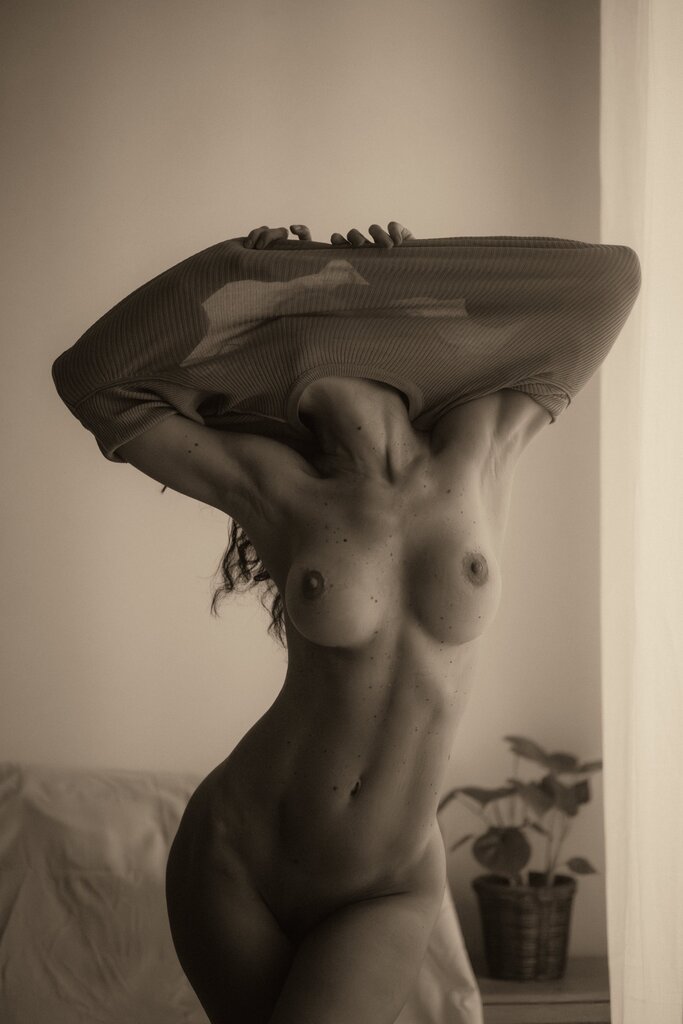
Yesterday, we discovered the work of Les Petits Regards, the French photographer who has made intimacy and the female nude the centerpiece of a delicate, sensual, and deeply personal body of work.
In his photographs, the models never seem to be simply posing for the camera. They rest, observe, hide beneath the sheets, or allow the light to travel across their bodies while Anthony captures that fragile line between feeling observed and completely forgetting that someone is watching.
His photography proves that eroticism doesn’t need elaborate settings or impossible poses. Sometimes, all it takes is a quiet room, an open window, a naked body, and a camera that knows how to wait for the right moment.
As promised, today we’re sharing the rest of the photographs we had saved for later. Part two of Les Petits Regards, because some sessions deserve to be enjoyed without rushing… and because keeping all these photos to ourselves would have been rather selfish.
# View photographs
ExtraBall
Everything reminds me of her.
ExtraBall2








 CamBB.xxx
We find the best live porn cams across many different cam sites like Streamate, Chaturbate, Cam4 and Stripchat.
 ChatSex.xxx
With Chat Sex you get free sex cams featuring nude cam girls you can chat with for free.

FEATURED MODEL
ONLYFANS · FREE
Petite Ebony Naomi
@naomiebonyvip
Discover her photos, explore her content and access her profile for free.
RECOMMENDED SITES
 Add your site
- The Nip Slip
- Porn Pics
- Erosberry
- sweetlicious
- celeb-stalker.com
- Kanoni Net
- Shocking Porn
- Candid Teens
- Babes & Bitches
Add your site💩 CrazyShit
🤪 eFukt
👉🍑 Top XXX Pictures
Bingo Porno
Best Porn Blog Sites
 Sex Games
MrPornGeek
Hardcore Porn Videos
NSFW.Tools
Sex AI Chat
Porn Game
ShareAnyNudes
Teenager365
Best JAV Models
Hotness
HornyFap










DIY
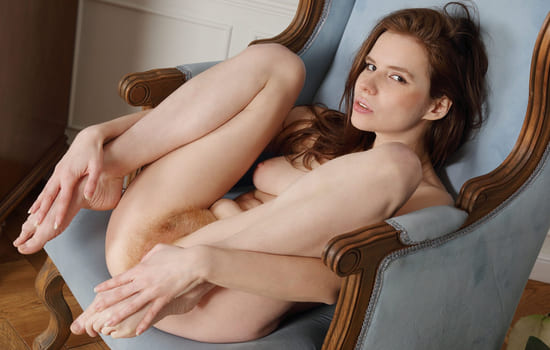
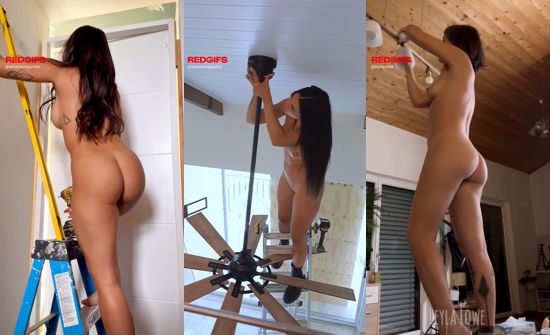
There’s something especially satisfying about DIY. You might start out wanting to hang a simple shelf and end up dismantling half the room, watching tutorials about wall anchors, and wondering why there’s always one screw left over when you finish.
The theory seems simple: measure, mark, cut, and assemble. Then reality arrives, you discover that no wall is ever completely straight, and that twenty-minute job ends up taking your entire afternoon.
Even so, few things make you feel prouder than looking at something you’ve repaired or built with your own hands. It might not be perfectly level and probably wouldn’t survive a professional inspection, but as long as it doesn’t fall down and nobody gets too close to examine the finish, we can call it a success.
Because DIY isn’t just about saving money. It also requires patience, creativity, and learning how to handle your tools properly. And we all know that any job is much more entertaining when the right tools are in good hands.
# Watch videos
 You can find much more content like this on our TELEGRAM CHANNEL
 How to unlock adult content on Telegram (Apple, Android, or any other device)
If you enter our channel and see an adult-content warning that prevents you from viewing anything, it means the restriction filter is enabled.
Go to https://web.telegram.org, log in, and open:
Settings → Privacy → Sensitive Content
Enable “Disable Restrictions” and you’re all set.
The change will automatically sync with the Telegram app on all your devices.
ExtraBall






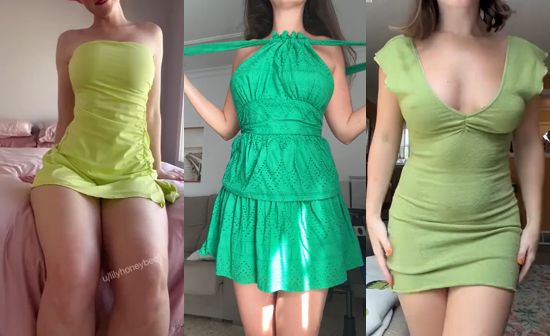
GREEN, HOW I WANT YOU GREEN VOL4
A while ago, we started a little series called Pink, Fuchsia or Magenta, mainly because we discovered that apparently calling everything that looks pink to us simply “pink” is considered an unacceptable oversimplification of the color spectrum.
Apparently not. It can be pink, fuchsia, magenta, blush pink, bubblegum pink, dusty pink... and probably another fifteen shades that someone could distinguish by placing them side by side while we nod along pretending we can see the difference.
Well, exactly the same thing happens with green.
There's olive green, bottle green, emerald green, mint green, pistachio green, lime green, forest green, military green, jade green, moss green... and probably another forty shades of green whose names I don't know and have absolutely no intention of learning.
At ALRNCN, we're simple people. So if it looks green, it's green.
We're not going to waste valuable time trying to decide whether a woman's bra is emerald green with hints of jade or forest green leaning toward bottle green. We have a responsibility to our readers, and there are matters that require our attention far more urgently.
So while color experts can happily argue about shades, saturation and nuances, we'll continue a series based on a much more efficient color classification system:
GREEN, HOW I WANT YOU GREEN.
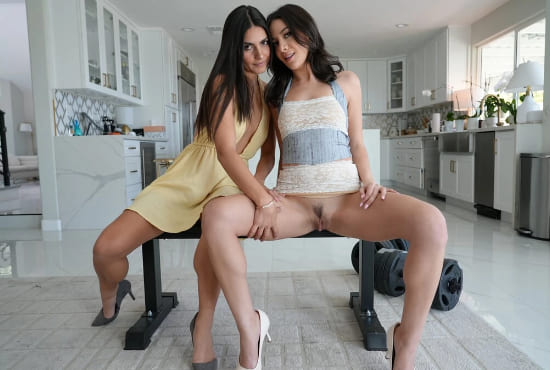
And inside you'll find women wearing green clothes. Not many of them.
We really don't need to know much more.
# Watch videos
You can find much more content like this on our TELEGRAM CHANNEL How to unlock adult content on Telegram (Apple, Android, or any other device)
If you enter our channel and see an adult-content warning that prevents you from viewing anything, it means the restriction filter is enabled.
Go to https://web.telegram.org, log in, and open:
Settings → Privacy → Sensitive Content
Enable “Disable Restrictions” and you’re all set.
The change will automatically sync with the Telegram app on all your devices.
ExtraBall





Contact
You can tell us whatever you want via email: [email protected]
If you prefer, you can use this contact form:
If you prefer, you can use this contact form:




AMATEUR FLESH: LUST & LOVE
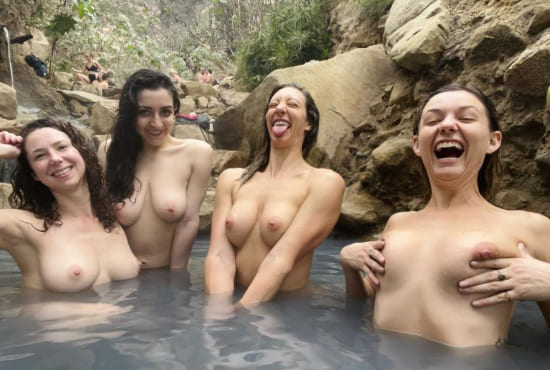
On Reddit, they introduce themselves as Lust and Love, a couple from the West Coast of the United States who share the same hobby: showing off for strangers and enjoying the comments they receive. Although they both appear together in some photos and videos, she is definitely the star of the profile.
Sharing nude photos while you’re in a relationship adds a different kind of thrill. She enjoys knowing that hundreds of strangers are looking at her, while he gets to read how other men lust after the woman he shares his bed with.
For some men, that would trigger jealousy, but for others it has exactly the opposite effect. Seeing the reaction his wife provokes can become a mixture of excitement and pride: everyone can look at her, fantasize about her and write about what they would do to her, but he is the one by her side and the one who gets to enjoy her when the camera stops rolling.
In their case, exhibitionism seems to be part of their fun as a couple. She shows off her body, they both share the experience and Reddit users make sure to remind them why it’s worth continuing to post.

# View photos
ExtraBall
It looks like she can’t find the sneakers she’s looking for.
ExtraBall2







THE EROTICISM OF GALYA
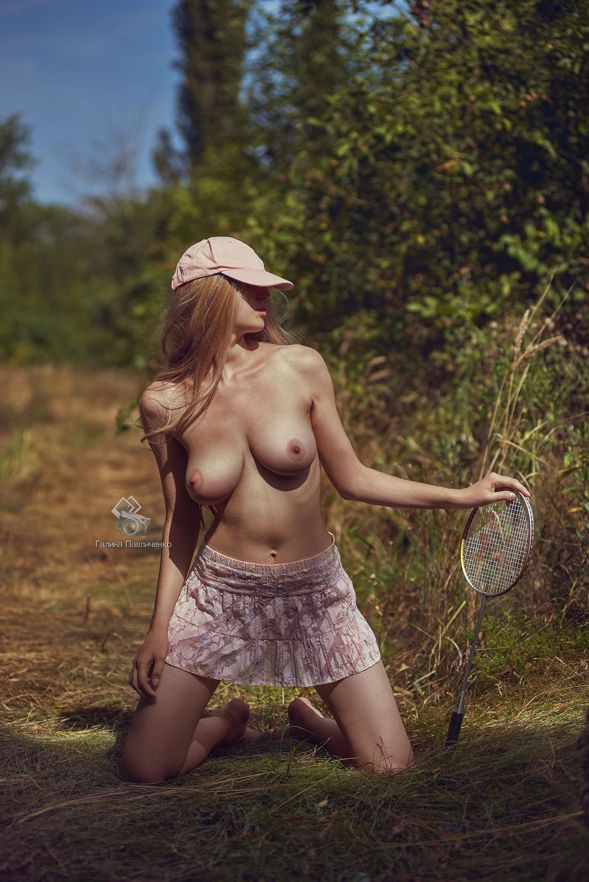
Galya is a Russian-born photographer focused on the nude female body. She's focused and I'm obsessed. We already have something in common.
Her work revolves around the female nude, with elegant, carefully composed photographs where the models aren't exactly trying too hard to hide from the camera.
There's not much playing around with showing without actually showing here. There's skin, there's nudity, and there's plenty to look at, but always through photography that tries to maintain that balance between eroticism, beauty, and naturalness.
A selection of Galya's work to remind us that you can show practically everything without losing your sense of style.
# View photos
ExtraBall
69
ExtraBall2