Eporner HD Sex Porn Discounts Sex Games Porn Games XXX Games Hentai Games PornStar Games 3D Porn Celebrity Sex Videos
Live Sex Free Live Sex Free Sex Games Páginas Porno Nude Celebrities TikTok Porn Sex Cam RoseToy Official Cams Porno AI Porn
Live Sex Free Live Sex Free Sex Games Páginas Porno Nude Celebrities TikTok Porn Sex Cam RoseToy Official Cams Porno AI Porn

Published on 2018/04/10
FUCK ANY GIRL WITH AI
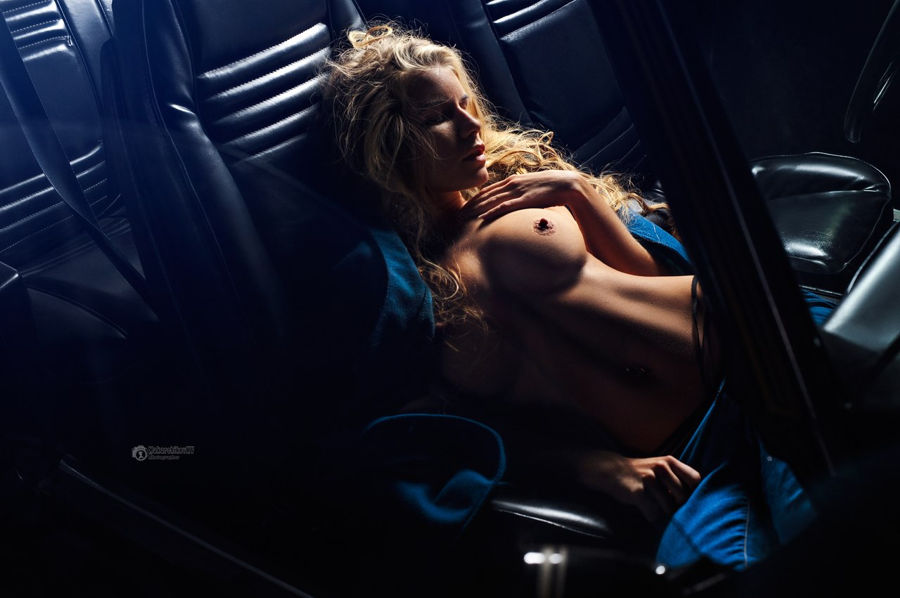
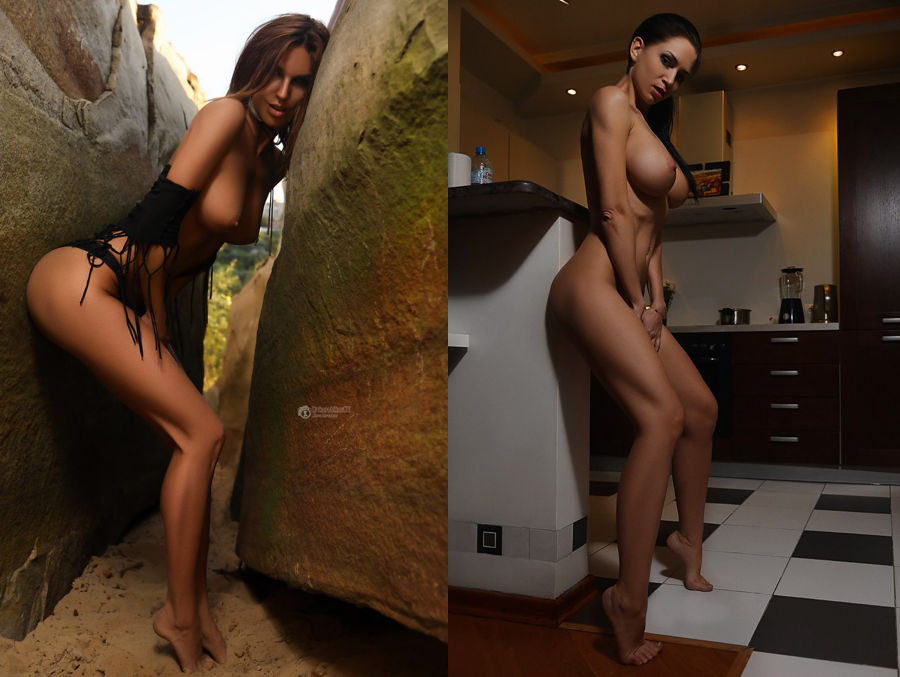
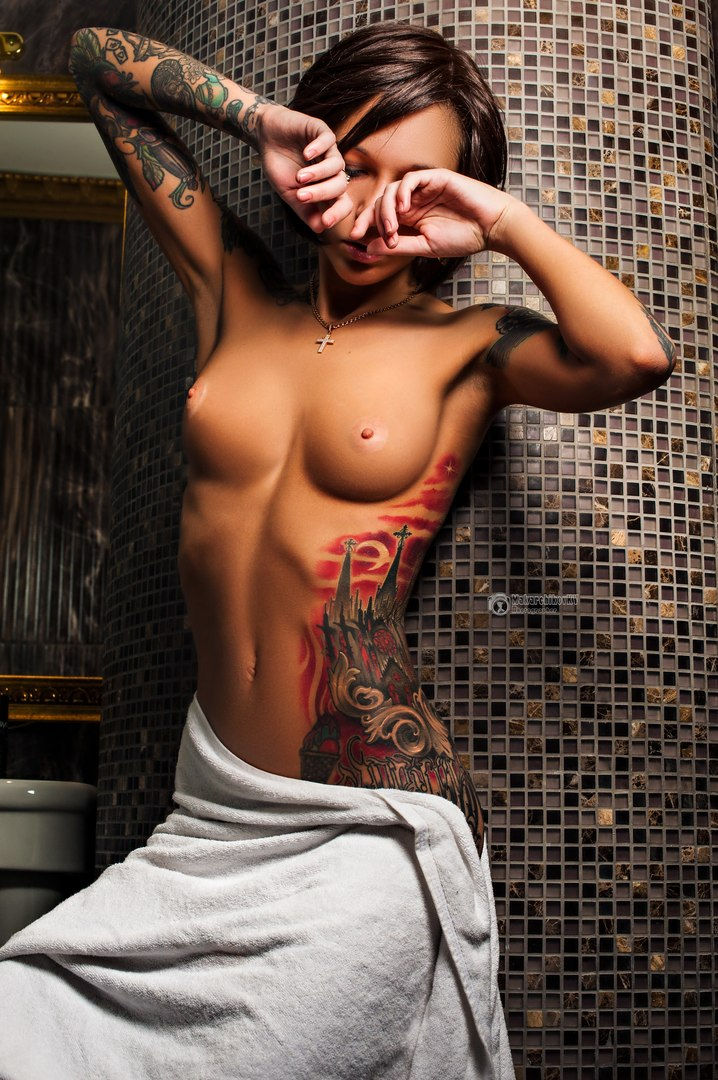

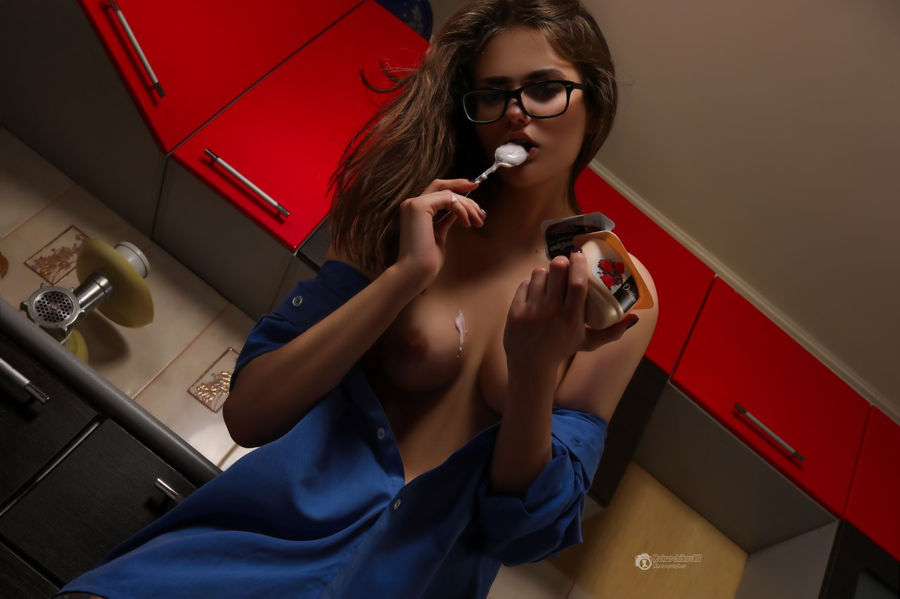
KONSTANTIN MAKARCHIKOV 2018
I leave here some photos taken by Russian photographer Konstantin Makarchikov and I keep searching for more stuff... Alrincon's an insatiable being who's always hungry. What a monster I created.FUCK ANY GIRL WITH AI








WHITEPLACE_1. PART 2
Yesterday we began exploring the work of Whiteplace_1 (白寺), a mysterious independent Chinese photographer who uses the body, fetishism and BDSM aesthetics as tools to construct his distinctive visual fantasies.
In his photographs, the model rarely appears as someone simply posing naked in front of the camera. Every gesture, pose and accessory seems to form part of a carefully staged performance. The body becomes character, setting and language all at once.
The tension of the ropes, the anonymity of a mask and the apparent discomfort of certain positions aren’t there merely to provoke. They also create contrast, introduce an element of mystery and encourage the viewer to imagine what might be happening both inside and beyond the frame.
It is precisely this interplay between beauty, vulnerability and domination that gives his work its identity. His photography can feel sensual, unsettling or hypnotic, depending on how long you decide to keep looking.
We continue with the second installment of Whiteplace_1.

# View the photos
ExtraBall
- Expecto Patronum!
ExtraBall2



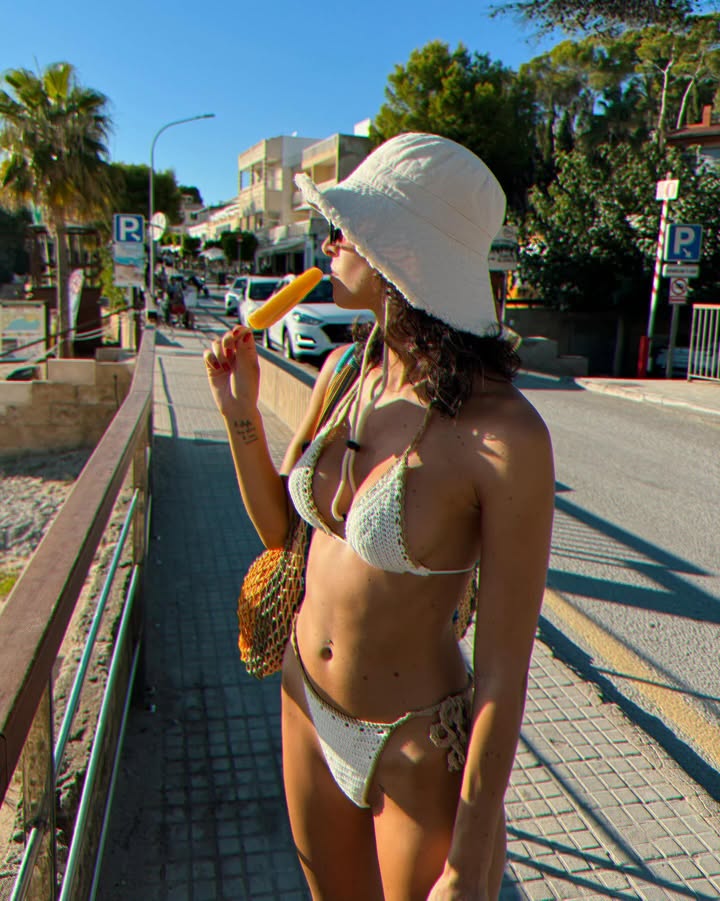
THE INSTAGRAM OF THE DAY: LAYLAMARLENA
Layla Conti
33 ☀️ italiana en Mallorca
Gym • Lingerie • Sea
# View photos
You can also follow us on our INSTAGRAM ACCOUNT
ExtraBall
Gym / Work / Going out / Jerking off
ExtraBall2








 CamBB.xxx
We find the best live porn cams across many different cam sites like Streamate, Chaturbate, Cam4 and Stripchat.
 ChatSex.xxx
With Chat Sex you get free sex cams featuring nude cam girls you can chat with for free.

FEATURED MODEL
ONLYFANS · FREE
Mistress Sasha
@domsasha
Discover her photos, explore her content and access her profile for free.
RECOMMENDED SITES
 Add your site
- The Nip Slip
- Porn Pics
- sweetlicious
- celeb-stalker.com
- Erosberry
- Kanoni Net
- Shocking Porn
- Candid Teens
- Babes & Bitches
Add your site💩 CrazyShit
🤪 eFukt
👉🍑 Top XXX Pictures
Bingo Porno
Best Porn Blog Sites
 Sex Games
MrPornGeek
Hardcore Porn Videos
NSFW.Tools
Sex AI Chat
Porn Game
ShareAnyNudes
Teenager365
Best JAV Models
Hotness
HornyFap










INSTAGRAM OF THE DAY: ARIANAPOPP
Ari Pop🍭
20
University of Arizona

# View photos
You can also follow us on our new INSTAGRAM ACCOUNT
ExtraBall
The balloon game
ExtraBall2






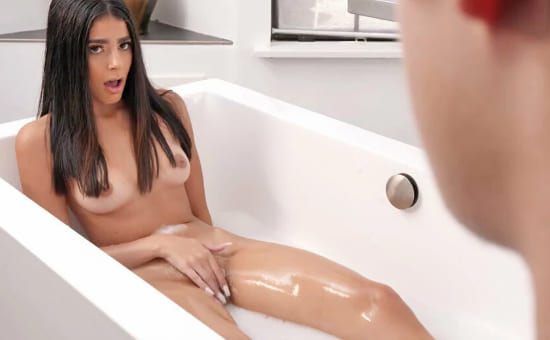

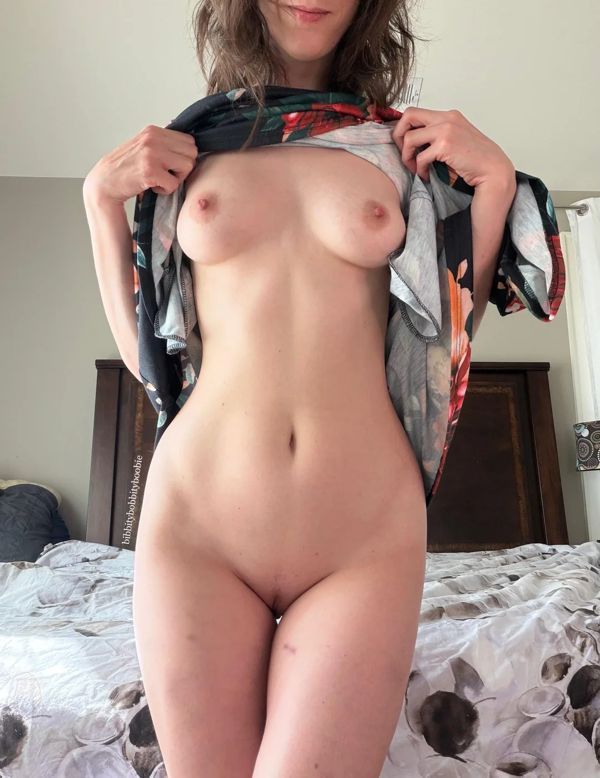
AMATEUR FLESH: BIBBITYBOBBITYBOOBIE🪄
For some women, sharing part of their lives on social media simply isn’t enough. Not because they don’t have much to show, but precisely because censorship prevents them from revealing their full potential.
The woman behind the Reddit profile Bibbitybobbityboobie is one of them. In her bio, she describes herself as a nerdy Southern girl who loves cooking, dogs, dressing up in sexy lingerie, and, most importantly, getting naked on the internet for all of us. A pretty honest description of what you’ll find on her profile.
This is the second post we’ve dedicated to her on ALRNCN. The first was back in 2019 and, seven years later, she’s still just as cheerful and just as eager to share the exhibitionist side that mainstream social platforms won’t allow her to show.
Time passes, platforms change, and censorship gets tighter, but luckily she’s still taking off her clothes with the same enthusiasm.
# View photos and videos
ExtraBall








Contact
You can tell us whatever you want via email: [email protected]
If you prefer, you can use this contact form:
If you prefer, you can use this contact form:



THE 57-YEAR-OLD MILF WHO NEVER EXISTED
Most women created with artificial intelligence seem to have rolled off the same production line: porcelain skin, a face without a single wrinkle, perfect tits, an impossible ass and proportions that nature could only achieve with Photoshop.
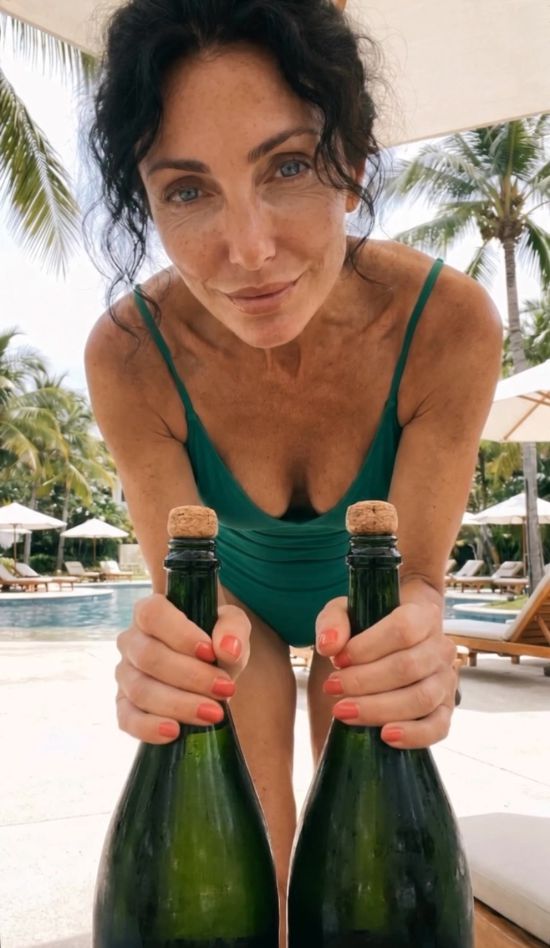
The creators of this profile decided to take a different approach. Its protagonist is 57 years old and has been designed to look like a genuinely mature woman: slim, with few curves, some facial wrinkles and a distinctive beauty that doesn’t need to pretend she’s twenty.
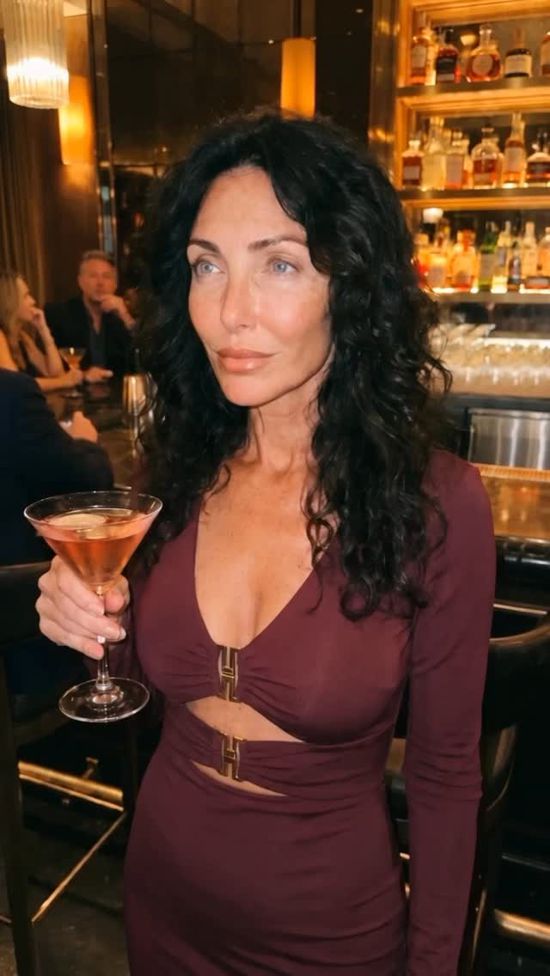
Her videos show what is supposedly her everyday life. She goes to the gym, visits museums, goes out for drinks and cocktails, gets dressed up, takes walks and enjoys the kind of sophisticated lifestyle we associate with an attractive, confident and independent woman. One of those elegant, desirable moms we’ve all fantasized about meeting at some point.
Obviously, none of what we see is real. Not the woman, not her age and not her weekend plans. But the profile is designed to make you forget that small detail for a few seconds and feel as though you’re following the life of a real person.
And, as usually happens in these cases, behind the museum visits, gym sessions and glasses of wine, there’s a link to a paid platform. Because this MILF may not exist, but the business they’ve built around her is completely real.
# Watch videos
ExtraBall
Today’s slow-motion clip.
ExtraBall2
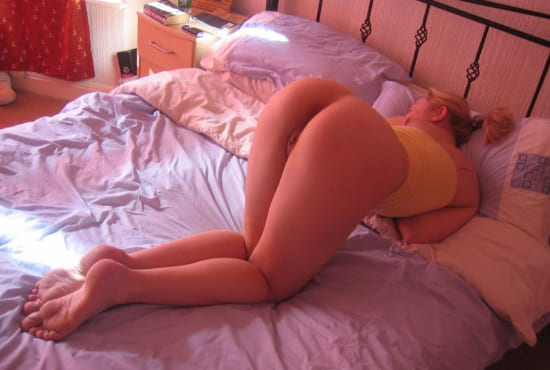


I’LL BUY YOU A DRINK VOL8
Some people need three drinks to lose their inhibitions, while others simply leave them at home. The stars of this latest installment clearly belong to the second group. Although their intention isn’t just to have a drink and enjoy the atmosphere—although that’s part of it too.
For a content creator, any place can become a location for shooting something new, and a table covered with drinks, a crowded bar, or a quiet corner of the venue makes a much more interesting backdrop than the same old bedroom.
As soon as the phone points at them, their particular workday begins: a knowing look at the camera, a smile, a quick glance around, and the tits come out. Just a few seconds of footage that will end up on their social media while the other customers keep drinking, completely unaware that someone has just clocked in and completed her shift right in front of them.
Because going out for drinks with friends is great, but taking the opportunity to work and heading home with fresh content shows that they really know how to manage their time.

# Watch videos
 You can find much more content like this on our TELEGRAM CHANNEL
How to unlock adult content on Telegram (Apple, Android, or any other device)
If you enter our channel and see an adult-content warning that prevents you from viewing anything, it means the restriction filter is enabled.
Go to https://web.telegram.org, log in, and open:
Settings → Privacy → Sensitive Content
Enable “Disable Restrictions” and you’re all set.
The change will automatically sync with the Telegram app on all your devices.
ExtraBall