Eporner HD Sex Porn Discounts Sex Games Porn Games XXX Games Hentai Games PornStar Games 3D Porn Celebrity Sex Videos
Live Sex Free Live Sex Free Sex Games Páginas Porno Nude Celebrities TikTok Porn Sex Cam RoseToy Official Cams Porno AI Porn
Live Sex Free Live Sex Free Sex Games Páginas Porno Nude Celebrities TikTok Porn Sex Cam RoseToy Official Cams Porno AI Porn

Published on 2026/04/09
Internationally recognized for his fresh eye and unmistakable sense of humor, Jean-Philippe brings a natural, seductive energy to every shot. He currently works between St. Barts, the Bahamas, and Miami, places where light and natural beauty elevate the exclusive feel of his work. In his photography, nature isn’t just a backdrop—it’s a core part of the visual experience.
His style blends sensuality, elegance, and a playful edge that instantly connects with the viewer. Each piece celebrates femininity, a free spirit, and a kind of effortless luxury, offering a modern and commercially powerful take on artistic nude photography.
FUCK ANY GIRL WITH AI


NUDES BY JEAN-PHILIPPE PITER
Jean-Philippe Piter, French photographer, editor, and art director, was born in Senegal and began his photography training in France at just 16. In 1997, he settled in Saint Barthélemy (FWI), where he founded Pure St. Barth, a magazine that became a reference for the island’s sophisticated and vibrant lifestyle.Internationally recognized for his fresh eye and unmistakable sense of humor, Jean-Philippe brings a natural, seductive energy to every shot. He currently works between St. Barts, the Bahamas, and Miami, places where light and natural beauty elevate the exclusive feel of his work. In his photography, nature isn’t just a backdrop—it’s a core part of the visual experience.
His style blends sensuality, elegance, and a playful edge that instantly connects with the viewer. Each piece celebrates femininity, a free spirit, and a kind of effortless luxury, offering a modern and commercially powerful take on artistic nude photography.
FUCK ANY GIRL WITH AI


FUCK ANY GIRL WITH AI


FEATURED MODEL
ONLYFANS · FREE
Sarah Hart
@sexyblondesarah
Discover her photos, explore her content and visit her profile for free.

FEATURED MODEL
ONLYFANS · FREE
Kaori Uchiha
@cosplaykaori
Discover her photos, explore her content and visit her profile for free.





 jeanphilippepiter.com
  instagram.com/jeanphilippepiterphotography
ExtraBall by david
It’s never too late to get into the world of fashion.
ExtraBall2



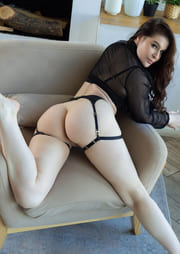
LES PETITS REGARDS. PART ONE
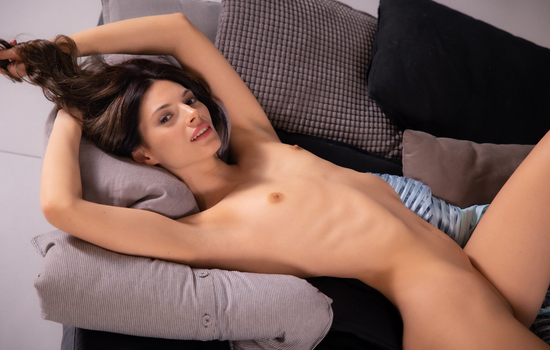
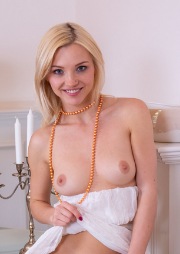
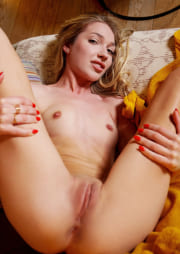
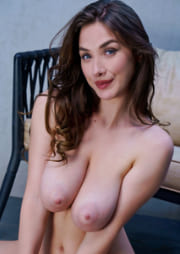
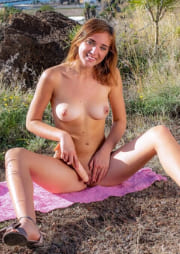
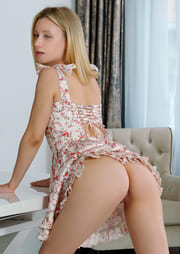
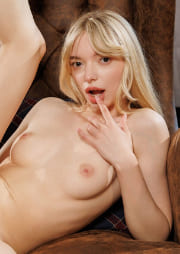
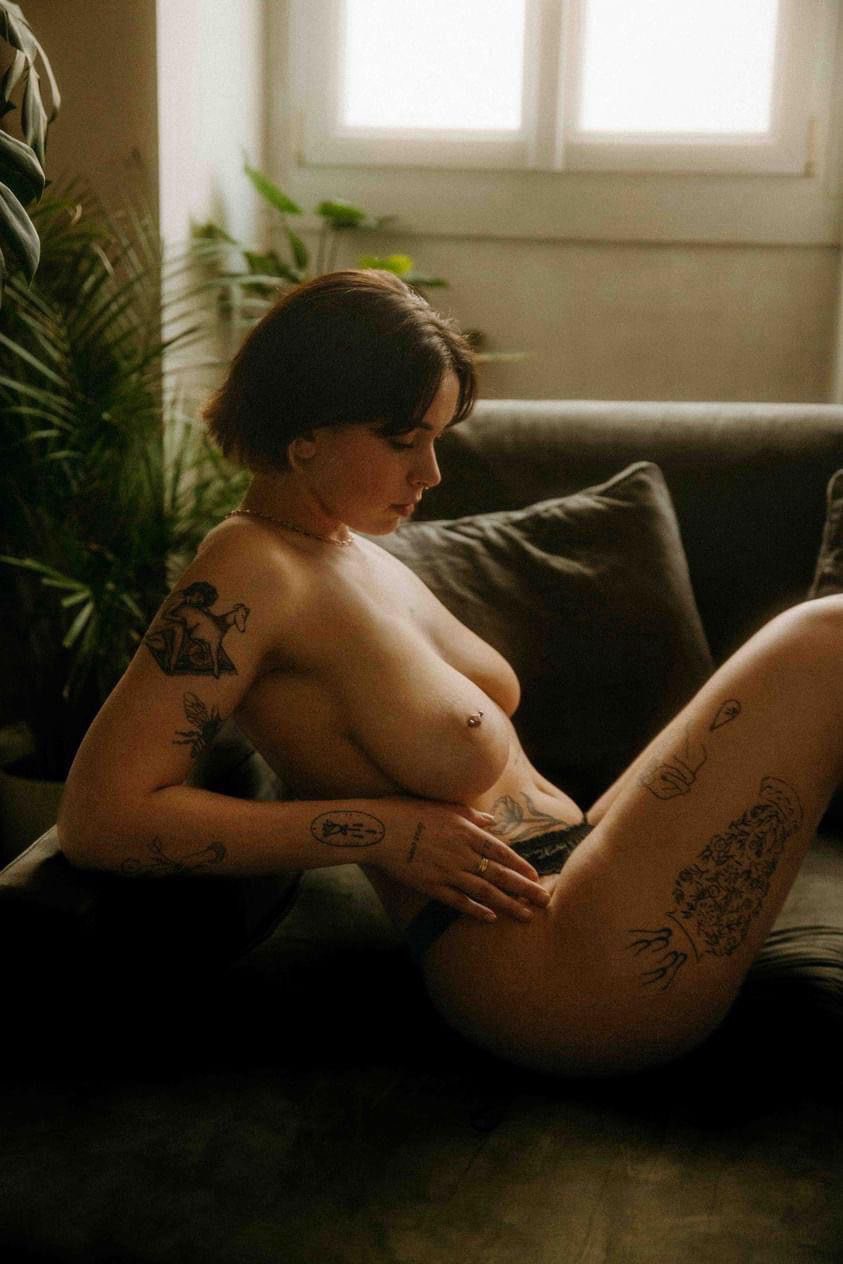
Les Petits Regards is the artistic name of Anthony, a professional French photographer based in Paris. He began his career specializing in portraiture, but over time, he gradually shifted his focus toward artistic nude photography and a much more personal form of erotic imagery.
His work explores intimacy, vulnerability, and the beauty of the human body through a sensitive and contemplative lens. His photographs exist somewhere between portraiture, artistic nudity, and visual storytelling, moving away from the explicit to focus on gestures, glances, and the connection that emerges when the person in front of the camera stops posing and simply begins to reveal herself.
His images contain skin, desire, and sensuality, but also silence, naturalness, and the strange feeling that we are witnessing an intimate moment we were perhaps never supposed to see.
We saved so many of his photographs that trying to squeeze them all into a single post would have been madness. So today we’re sharing the first selection, and tomorrow we’ll be back with part two.
# View photographs
ExtraBall
One in three people checks their phone more than 100 times a day.
ExtraBall2




THE EROTIC ART OF EUGENIO SICOMORO
Eugenio Sicomoro is the artistic name of Bruno Brunetti, an Italian artist and illustrator born in Rome in 1952 who has spent practically his entire life with a pencil in his hand.
Throughout his career, he has worked in the world of comics and illustration for some of Europe's leading publishers, contributing to numerous publications and developing a particularly recognizable style when it comes to depicting the human figure.
But of all his work, there's one particular side that, for strictly cultural and completely selfless reasons, has brought us here: his erotic drawings.
Portraits and female nudes created mainly in pencil and charcoal, where Sicomoro plays with shadows, curves, and proportions to create sensual, voluptuous, and surprisingly realistic women.
In some of his works, the level of detail makes you think for a moment that you're looking at a black-and-white photograph, until you get closer and begin to notice the pencil strokes, the shading, and the texture of the paper.
Almost half a century of drawing, and he still finds plenty of good reasons to keep sharpening his pencil.

# View images
ExtraBall
Today's slow-mo.
ExtraBall2


 CamBB.xxx
We find the best live porn cams across many different cam sites like Streamate, Chaturbate, Cam4 and Stripchat.
 ChatSex.xxx
With Chat Sex you get free sex cams featuring nude cam girls you can chat with for free.

FEATURED MODEL
ONLYFANS · FREE
Mistress Sasha
@domsasha
Discover her photos, explore her content and access her profile for free.
RECOMMENDED SITES
 Add your site
- The Nip Slip
- Porn Pics
- sweetlicious
- celeb-stalker.com
- Erosberry
- Kanoni Net
- Shocking Porn
- Candid Teens
- Babes & Bitches
Add your site💩 CrazyShit
🤪 eFukt
👉🍑 Top XXX Pictures
Bingo Porno
Best Porn Blog Sites
 Sex Games
MrPornGeek
Hardcore Porn Videos
NSFW.Tools
Sex AI Chat
Porn Game
ShareAnyNudes
Teenager365
Best JAV Models
Hotness
HornyFap



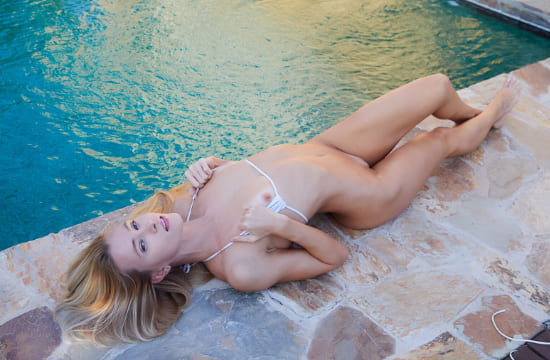



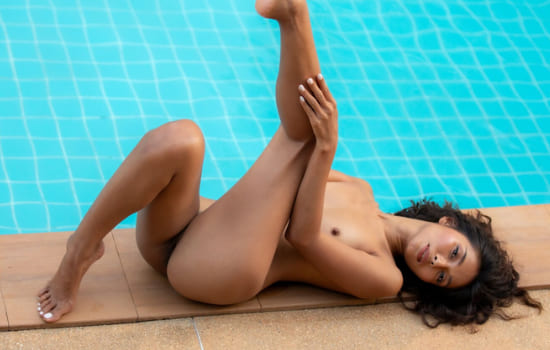
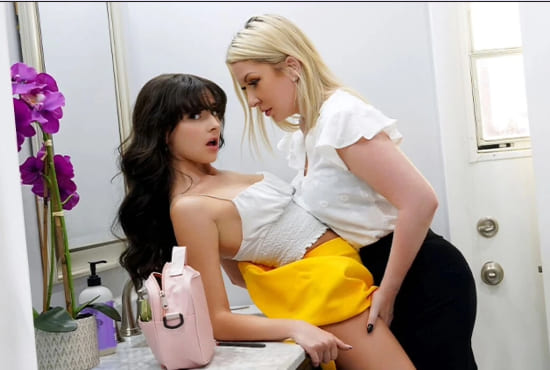

THE EROTICISM OF GALYA
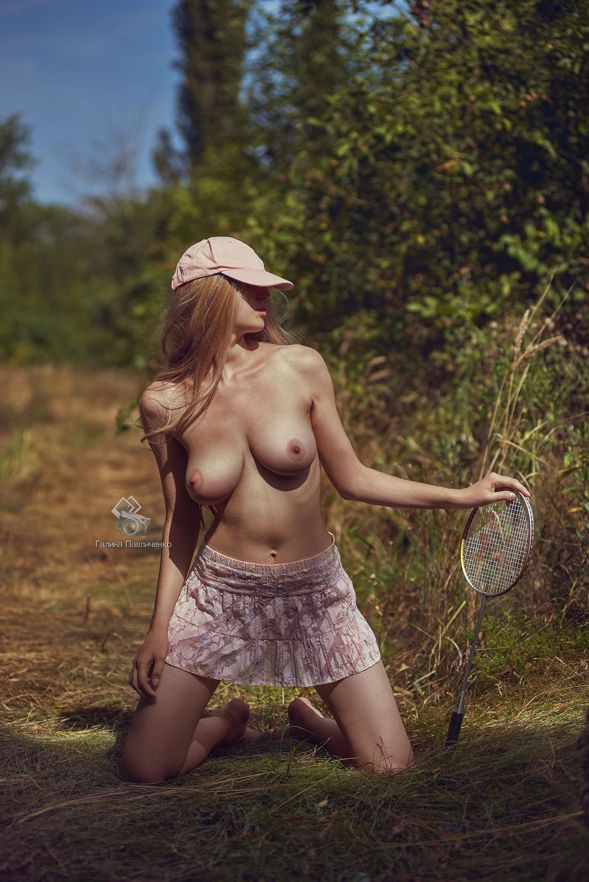
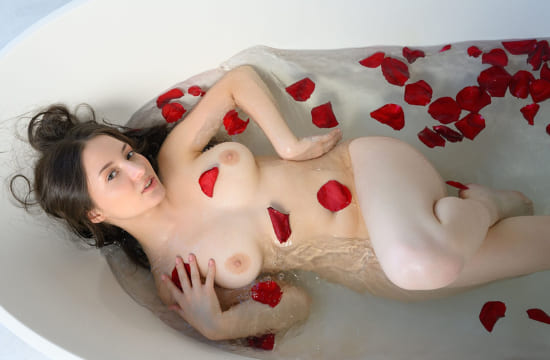
Galya is a Russian-born photographer focused on the nude female body. She's focused and I'm obsessed. We already have something in common.
Her work revolves around the female nude, with elegant, carefully composed photographs where the models aren't exactly trying too hard to hide from the camera.
There's not much playing around with showing without actually showing here. There's skin, there's nudity, and there's plenty to look at, but always through photography that tries to maintain that balance between eroticism, beauty, and naturalness.
A selection of Galya's work to remind us that you can show practically everything without losing your sense of style.
# View photos
ExtraBall
69
ExtraBall2





AMATEUR FLESH: GLITCHY BRAT
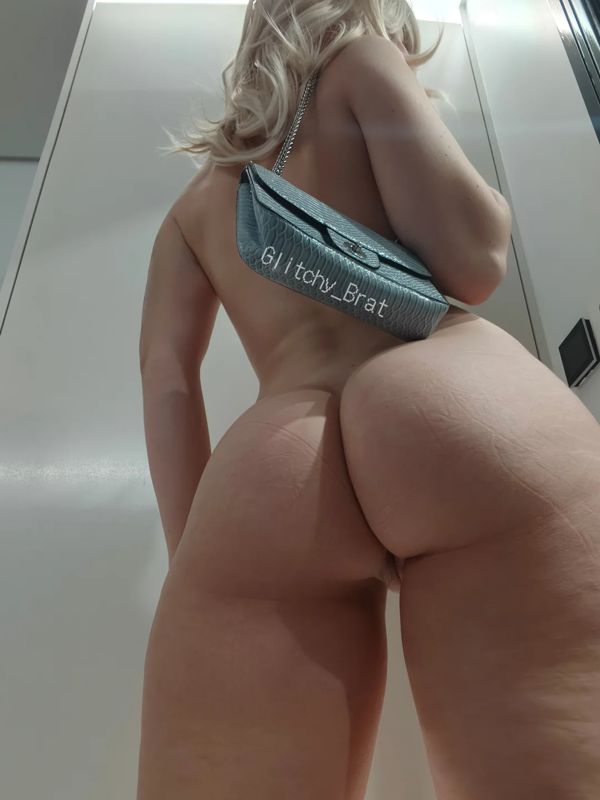
Some people dream of starting their own business, traveling the world, writing a book, or buying a house by the sea. Glitchy_Brat has slightly different ambitions.
On her Reddit profile, she introduces herself with a line that pretty much sums up her intentions: “Just a girl, following her dreams of being a thot”.
For anyone not completely fluent in internet slang, “thot” originally came from the acronym “That Hoe Over There.”
Not exactly the most flattering term at first, but that's the internet for you. Over time, the word took on a life of its own, becoming a label for sexually provocative women or girls who enjoy showing off online, and plenty of women eventually embraced it and started using it about themselves in a playful, ironic way.
So when Glitchy_Brat says she's “following her dreams of being a thot”, she's basically telling us that she's just a girl chasing her dream of becoming an internet thot.
And you have to give her credit for one thing: she doesn't seem like the kind of person who sits around waiting for her dreams to come true on their own.
Glitchy Brat only opened her Reddit account a few months ago, and since then she's been doing her part to achieve such a noble goal.
And as we always do whenever we find someone out there chasing their dreams, we figured the least we could do was contribute our own little bit to the cause.
# View photographs
ExtraBall



Contact
You can tell us whatever you want via email: [email protected]
If you prefer, you can use this contact form:
If you prefer, you can use this contact form:


LES PETITS REGARDS. PART 2
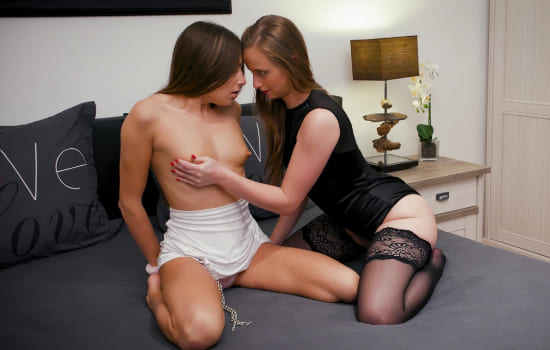
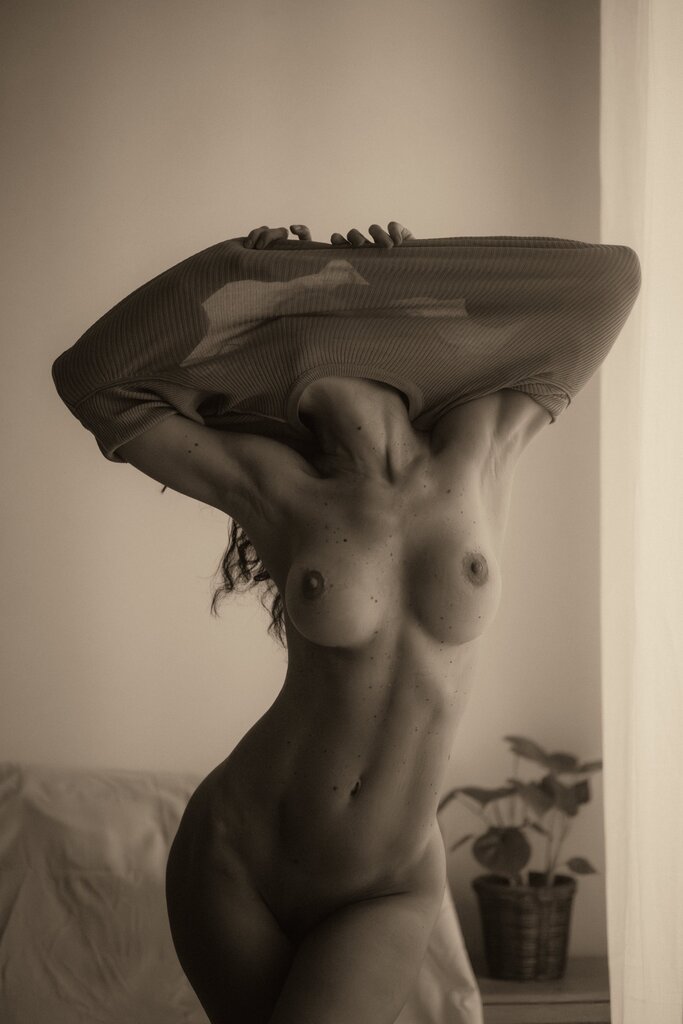
Yesterday, we discovered the work of Les Petits Regards, the French photographer who has made intimacy and the female nude the centerpiece of a delicate, sensual, and deeply personal body of work.
In his photographs, the models never seem to be simply posing for the camera. They rest, observe, hide beneath the sheets, or allow the light to travel across their bodies while Anthony captures that fragile line between feeling observed and completely forgetting that someone is watching.
His photography proves that eroticism doesn’t need elaborate settings or impossible poses. Sometimes, all it takes is a quiet room, an open window, a naked body, and a camera that knows how to wait for the right moment.
As promised, today we’re sharing the rest of the photographs we had saved for later. Part two of Les Petits Regards, because some sessions deserve to be enjoyed without rushing… and because keeping all these photos to ourselves would have been rather selfish.
# View photographs
ExtraBall
Everything reminds me of her.
ExtraBall2

TCHOOZE’S NUDES
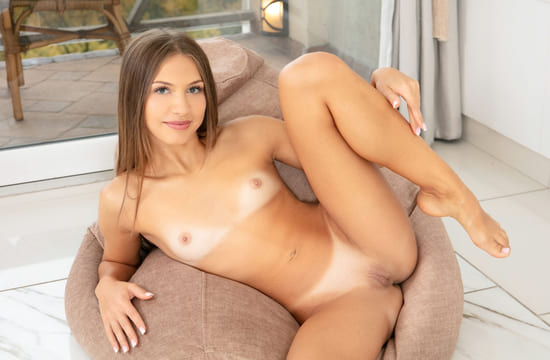
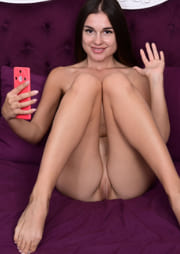
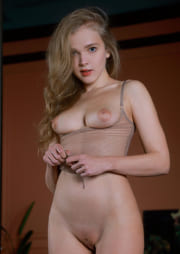
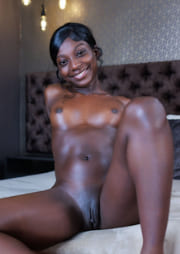
TchoozePix is the pseudonym of a photographer specializing in boudoir photography and artistic nudes. His images, published mainly through Patreon and other social media platforms, combine natural locations and indoor settings to create elegant, intimate compositions.
Although he keeps his personal life private and very little is known about his background, TchoozePix has built a distinctive and instantly recognizable artistic identity through his consistent output and collaborations with numerous models.
Since we have so many of his photographs saved, we’ve decided to split the selection into two installments: one today and another tomorrow. That way, we can take our time enjoying them, as any serious contemporary art exhibition deserves.

# View photographs
ExtraBall
Even thieves will lose their jobs.

ExtraBall2