Eporner HD Sex Porn Discounts Sex Games Porn Games XXX Games Hentai Games PornStar Games 3D Porn Celebrity Sex Videos
Live Sex Free Live Sex Free Sex Games Páginas Porno Nude Celebrities TikTok Porn Sex Cam RoseToy Official Cams Porno AI Porn
Live Sex Free Live Sex Free Sex Games Páginas Porno Nude Celebrities TikTok Porn Sex Cam RoseToy Official Cams Porno AI Porn

Published on 2021/12/14
Many agencies and models arrange meet-ups and hangouts amongst them and photo aficionados, which thanks to previous payments, sets up a space where they can take pictures of them and tune up their style.
FUCK ANY GIRL WITH AI


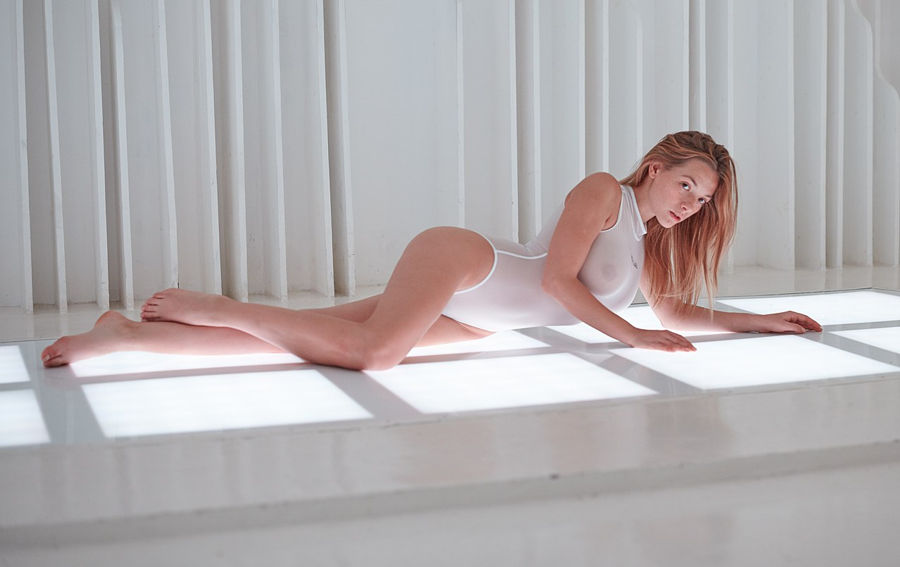
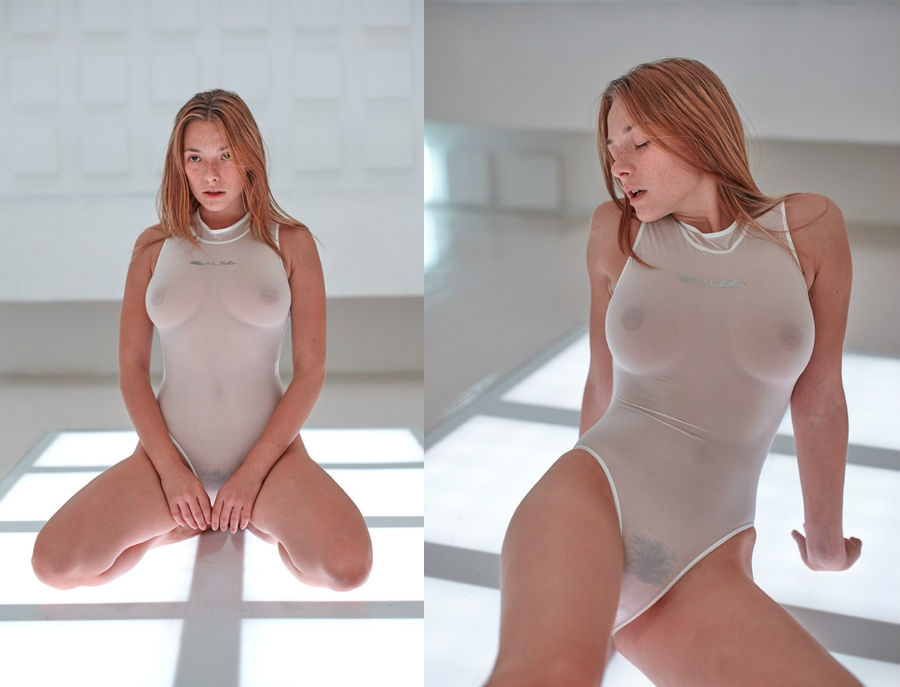
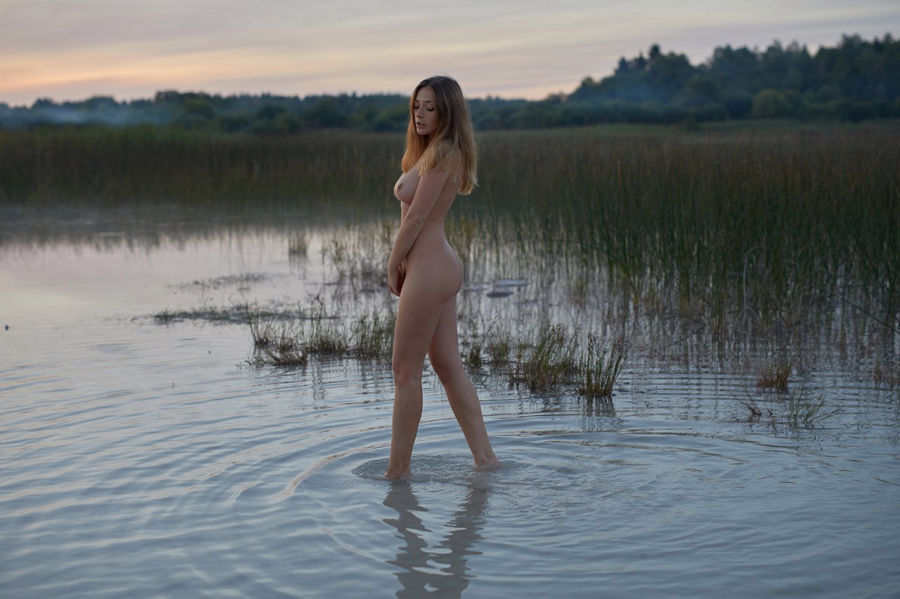

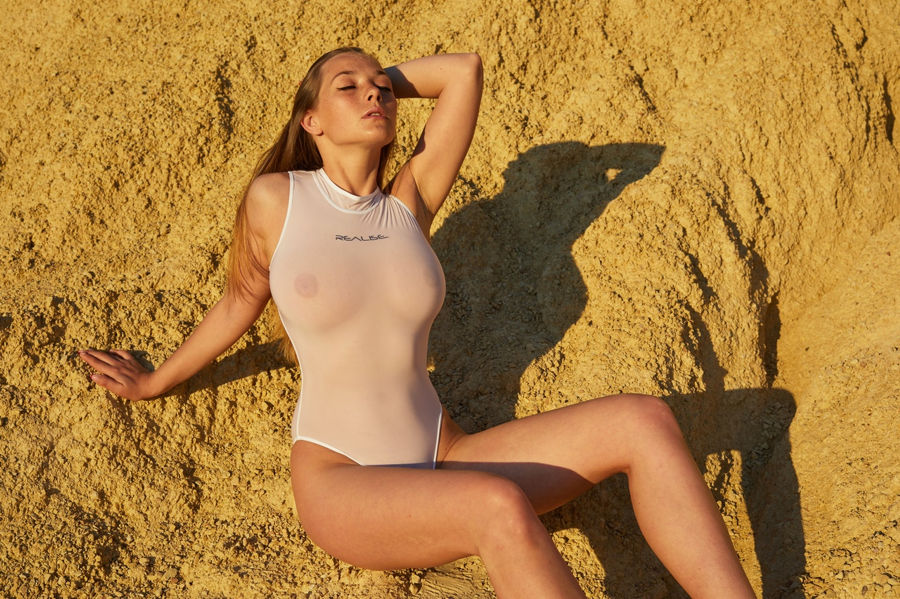
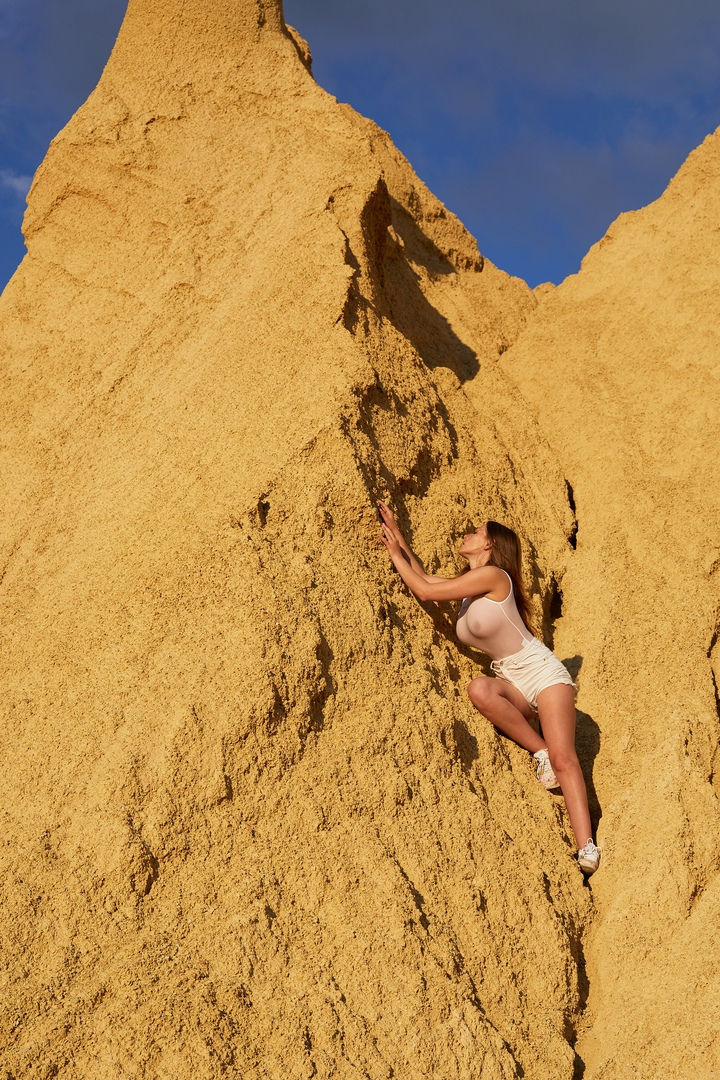
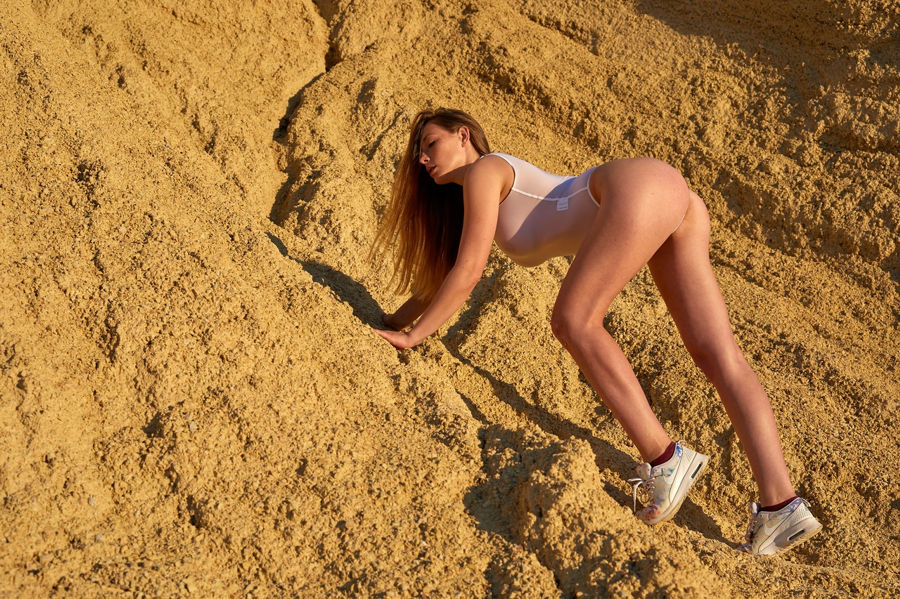
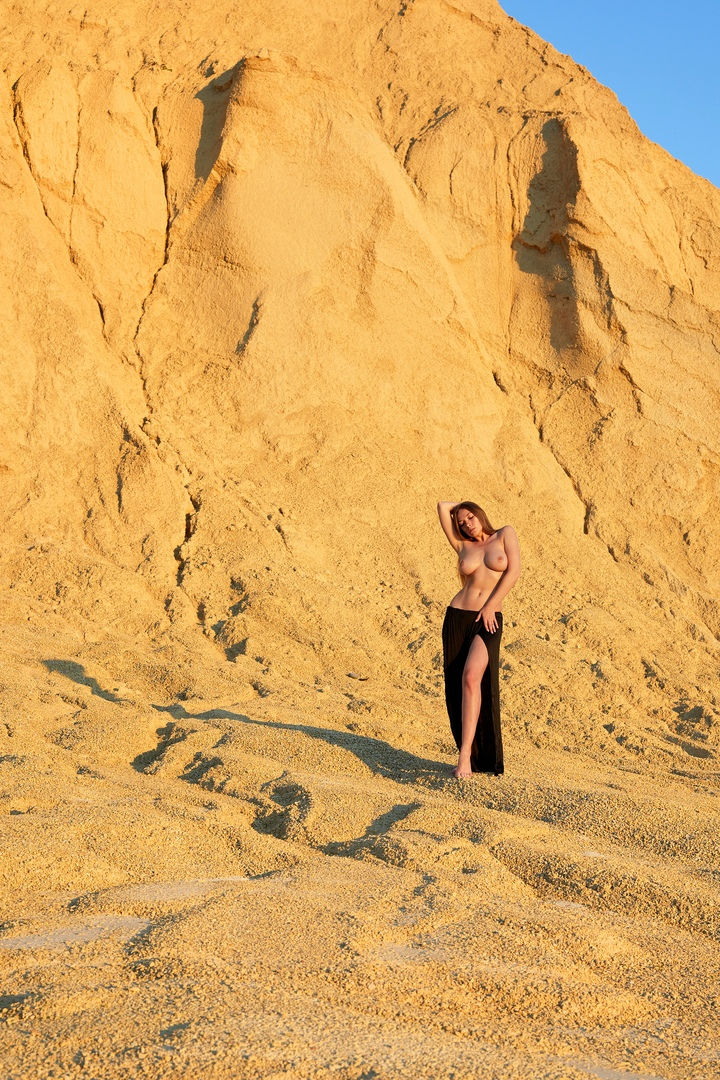
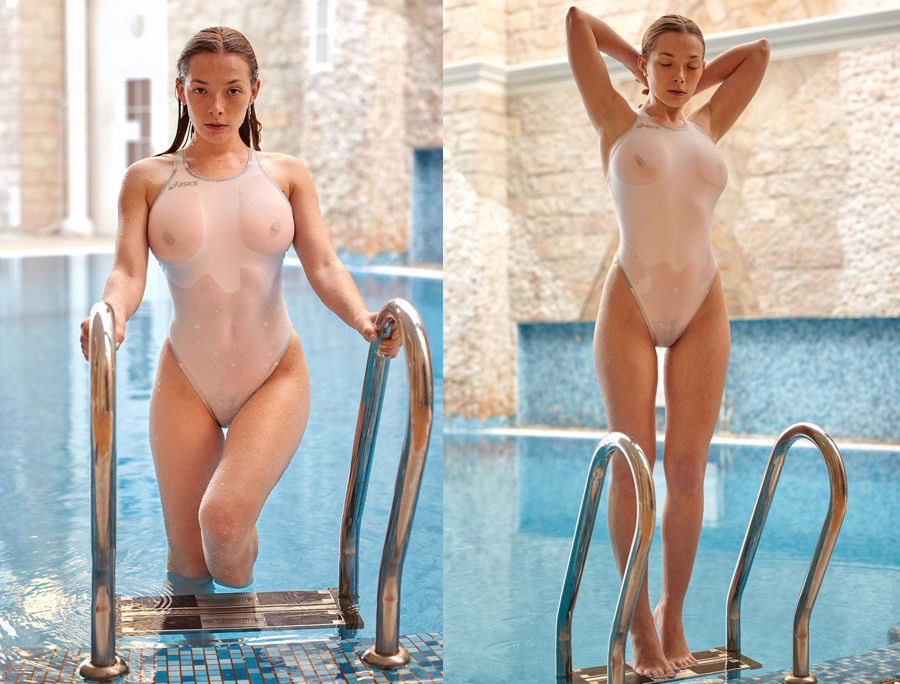
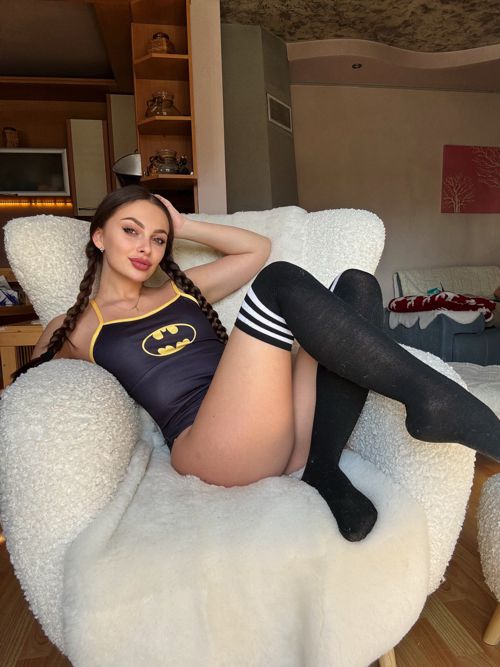
OLGA KOBZAR BY MURZIC
Maks Murzic Drozdov is a young amateur photographer that has done a great job at taking photos of the model Olga Kobzar, more than once.Many agencies and models arrange meet-ups and hangouts amongst them and photo aficionados, which thanks to previous payments, sets up a space where they can take pictures of them and tune up their style.
FUCK ANY GIRL WITH AI
FUCK ANY GIRL WITH AI






FEATURED MODEL
ONLYFANS · FREE
Kaori Uchiha
@cosplaykaori
Discover her photos, explore her content and visit her profile for free.

FEATURED MODEL
ONLYFANS · FREE
Misty Mayhem
@mistychains
Discover her photos, explore her content and visit her profile for free.


 vk.com/murzic
 instagram.com/bugs_bunny_gf/
ExtraBall
Time to eat.
ExtraBall2
(Clicking on these links daily you support ALRNCN's work. These are collaborations or sponsorships and, by visiting their sites, they like us even more)
















LINGERIE SPECIAL #18
The last installment of our beloved lingerie series was volume 17, published back in December of last year. Nearly nine months have passed since then. That might mean absolutely nothing to you, but I find it pretty interesting.
Throughout all this time, we've published new content every day, Monday through Friday, hardly ever missing our usual appointment. Photos, videos, amateurs, artists, technology, wipeouts, tits, curiosities, and all kinds of material that have made their way onto the front page.
The surprising thing is that, during all these months, we haven't published a single post dedicated exclusively to lingerie. And yet, not once have I looked at the pending folder and thought, “Holy shit, I have nothing to post tomorrow.”
Quite the opposite, in fact. So much varied content has kept coming in that one of the site's longest-running series has spent nine months forgotten in a drawer without anyone having to declare a national emergency.
But nine months is already far too long, especially when we're talking about lace, sheer fabric, garter belts, and the kind of underwear designed to stay on for considerably less time than it takes to choose it.
Today, we're bringing back one of ALRNCN's most beloved collections. Lingerie, volume 18.

# Watch videos
 You can find much more content like this on our TELEGRAM CHANNEL
How to unlock adult content on Telegram (Apple, Android, or any other device)
If you enter our channel and see an adult-content warning that prevents you from viewing anything, it means the restriction filter is enabled.
Go to https://web.telegram.org, log in, and open:
Settings → Privacy → Sensitive Content
Enable “Disable Restrictions” and you’re all set.
The change will automatically sync with the Telegram app on all your devices.
ExtraBall







THE APPEAL OF FRECKLES
david
There are features that people traditionally tried to hide but that, over time, have ended up becoming precisely what makes a face attractive. Freckles are probably one of the best examples.
For years, the beauty industry got us used to faces with completely uniform skin: the same tone, the same texture, not a blemish, not a mark, practically no sign that there was an actual human being underneath all that makeup. And the funny thing is that when freckles appear scattered across the nose and cheeks, the exact opposite of what you might expect happens: instead of seeing them as an imperfection, a lot of people feel they actually make a face more attractive.
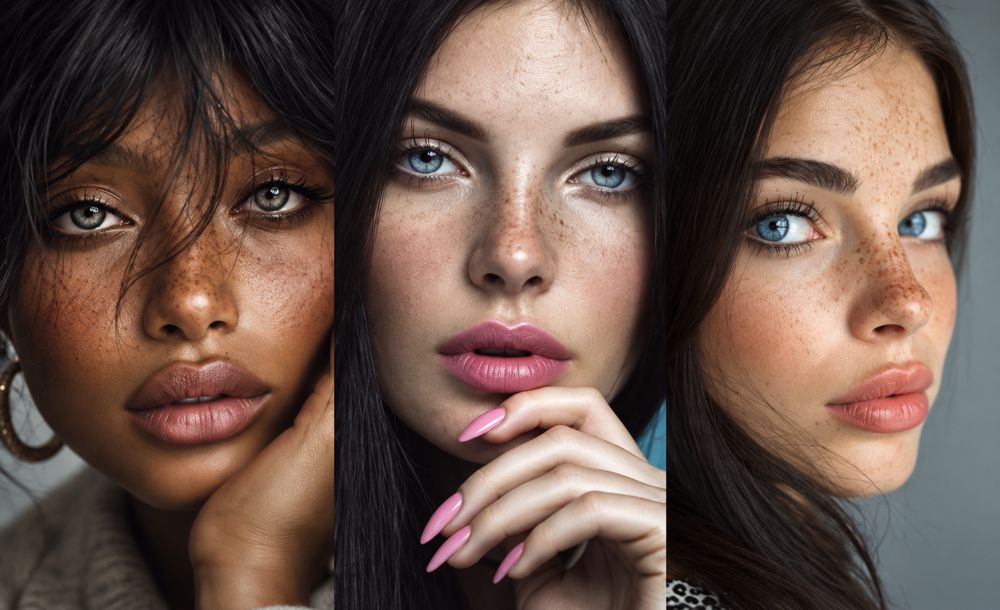
Maybe it’s precisely because they break up that uniformity. Freckles add little points of contrast, make your eyes wander across the face, and can especially highlight the eyes, cheekbones, or nose. They’re a kind of natural pattern that can make a face more recognizable and give it more personality.
There’s also that sense of naturalness. Freckles remind us that real skin isn’t a perfectly smooth surface created by a computer. It has pigmentation, pores, subtle differences in tone, and characteristics of its own. And very often, those little irregularities are exactly what make two equally beautiful faces feel completely different in terms of how interesting we find them.
In fact, in recent years we’ve reached the curious point where some people draw freckles on with makeup or turn to semi-permanent treatments to get something that others spent a good part of their lives trying to hide. The supposed imperfection has become a desirable feature.
And then there’s the part that’s impossible to measure. Attraction doesn’t work according to some mathematical chart where a pair of lips adds two points, a nose subtracts one, and twenty freckles add another three. Some features simply trigger something in the person looking at them.
That’s what happens to me with freckles. Especially when they’re concentrated around the nose and beneath the eyes. I’m not entirely sure why, but far from making a face look messy or taking away from its beauty, I think they give it character, naturalness, and an especially attractive touch.
In the end, maybe part of beauty lies precisely there: in those little characteristics that stop a perfect face from also becoming a completely forgettable one.
Because sometimes an imperfection doesn’t take anything away. It’s exactly what was needed to add something more.
# Watch videos
ExtraBall
Choose your Pokémon!
ExtraBall2







 CamBB.xxx
We find the best live porn cams across many different cam sites like Streamate, Chaturbate, Cam4 and Stripchat.
 ChatSex.xxx
With Chat Sex you get free sex cams featuring nude cam girls you can chat with for free.
FEATURED MODEL
ONLYFANS · FREE
Sophia Reed
@fantasysophiareed
Discover her photos, explore her content and access her profile for free.

RECOMMENDED SITES
 Add your site
- The Nip Slip
- Porn Pics
- sweetlicious
- Erosberry
- celeb-stalker.com
- Kanoni Net
- Shocking Porn
- Candid Teens
- Babes & Bitches
Add your site💩 CrazyShit
🤪 eFukt
👉🍑 Top XXX Pictures
Bingo Porno
Best Porn Blog Sites
 Sex Games
MrPornGeek
Hardcore Porn Videos
NSFW.Tools
Sex AI Chat
Porn Game
ShareAnyNudes
Teenager365
Best JAV Models
Hotness
HornyFap
















LEGGINGS VOL3
The fashion industry sold us leggings as comfortable clothes for working out. For running, training, doing yoga, or going for a walk while pretending that, at some point during the day, you actually intend to set foot in a gym.
But all it takes is a woman with a great ass putting on a pair for all their technical features to immediately become irrelevant.
Because leggings can be stretchy, breathable, thermal, and made using the most advanced technology on the market, but if they hug the body tightly enough, nobody is going to care what the fabric is made of.
They don’t hide anything, they don’t disguise anything, and they don’t leave much to the imagination either. They highlight every curve, slip into all the right places, and turn something as simple as walking, doing a squat, or bending over to pick something up into something worth watching.
And that’s why this series continues. Because new videos keep turning up, and we keep staring at them just as hypnotized as we were the first time. The colors, styles, and women may change, but the effect remains exactly the same.
Volume three. New leggings, new asses, and absolutely no intention of looking away.
Enjoy the videos.

# Watch videos
You can find much more content like this on our TELEGRAM CHANNEL
ExtraBall



THE 57-YEAR-OLD MILF WHO NEVER EXISTED
Most women created with artificial intelligence seem to have rolled off the same production line: porcelain skin, a face without a single wrinkle, perfect tits, an impossible ass and proportions that nature could only achieve with Photoshop.
The creators of this profile decided to take a different approach. Its protagonist is 57 years old and has been designed to look like a genuinely mature woman: slim, with few curves, some facial wrinkles and a distinctive beauty that doesn’t need to pretend she’s twenty.
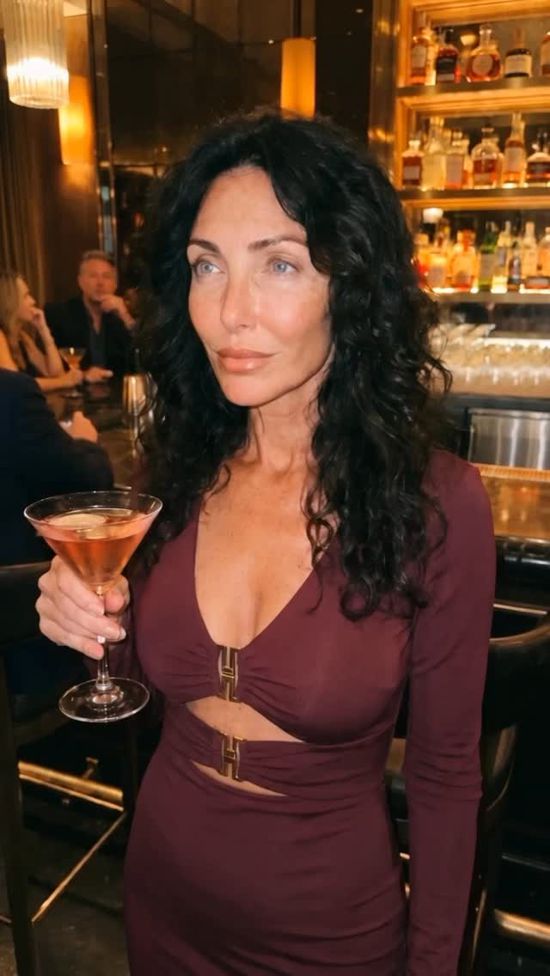
Her videos show what is supposedly her everyday life. She goes to the gym, visits museums, goes out for drinks and cocktails, gets dressed up, takes walks and enjoys the kind of sophisticated lifestyle we associate with an attractive, confident and independent woman. One of those elegant, desirable moms we’ve all fantasized about meeting at some point.
Obviously, none of what we see is real. Not the woman, not her age and not her weekend plans. But the profile is designed to make you forget that small detail for a few seconds and feel as though you’re following the life of a real person.
And, as usually happens in these cases, behind the museum visits, gym sessions and glasses of wine, there’s a link to a paid platform. Because this MILF may not exist, but the business they’ve built around her is completely real.

# Watch videos
ExtraBall
Today’s slow-motion clip.
ExtraBall2





Contact
You can tell us whatever you want via email: [email protected]
If you prefer, you can use this contact form:
If you prefer, you can use this contact form:



THE INTERNET, THE WORLD’S BIGGEST SCHOOL
For most of human history, learning something almost always depended on having someone nearby who knew how to do it. A parent, a teacher, a craftsman, or that one neighbor who could fix anything with a screwdriver and a couple of swear words.
If nobody around you knew how to paint, repair an engine, play guitar, or make sushi, chances are you weren’t going to learn either. You could look for a book, sign up for a class, or spend years figuring out by yourself what someone else could have explained to you in twenty minutes.
Video tutorials completely changed that.
Now we have a teacher available for practically anything we can think of. You can learn how to replace a roller-shutter strap, solder a pipe, grow tomatoes, build a computer, make a table, edit a video, or draw human anatomy properly. All you have to do is type in a few words and, more often than not, someone has already taken the time to record the entire process step by step.
It may feel completely normal because we’ve been living with it for years, but having instant access to the practical knowledge accumulated by millions of people is one of the internet’s greatest achievements. Never before have we been able to learn so many things, from so many people, with so little effort.
Forty years ago, getting better at drawing required an art school, specialized books, and countless hours of trial and error. Today, you can watch every stroke, pause the explanation, rewind, repeat the movement, and practice at your own pace while someone shows you exactly where to place every line, shadow, and curve.

# Watch the videos
ExtraBall
Mastering the Force.
ExtraBall2






THE INSTAGRAM OF THE DAY: HOLLY BROUGHAM
Holly Brougham
Girl from down under 🦘🇦🇺

# View photographs
You can also follow us on our new INSTAGRAM ACCOUNT
ExtraBall
Pool party.
ExtraBall2