Eporner HD Sex Porn Discounts Sex Games Porn Games XXX Games Hentai Games PornStar Games 3D Porn Celebrity Sex Videos
Live Sex Free Live Sex Free Sex Games Páginas Porno Nude Celebrities TikTok Porn Sex Cam RoseToy Official Cams Porno AI Porn
Live Sex Free Live Sex Free Sex Games Páginas Porno Nude Celebrities TikTok Porn Sex Cam RoseToy Official Cams Porno AI Porn

Published on 2019/07/09
FUCK ANY GIRL WITH AI

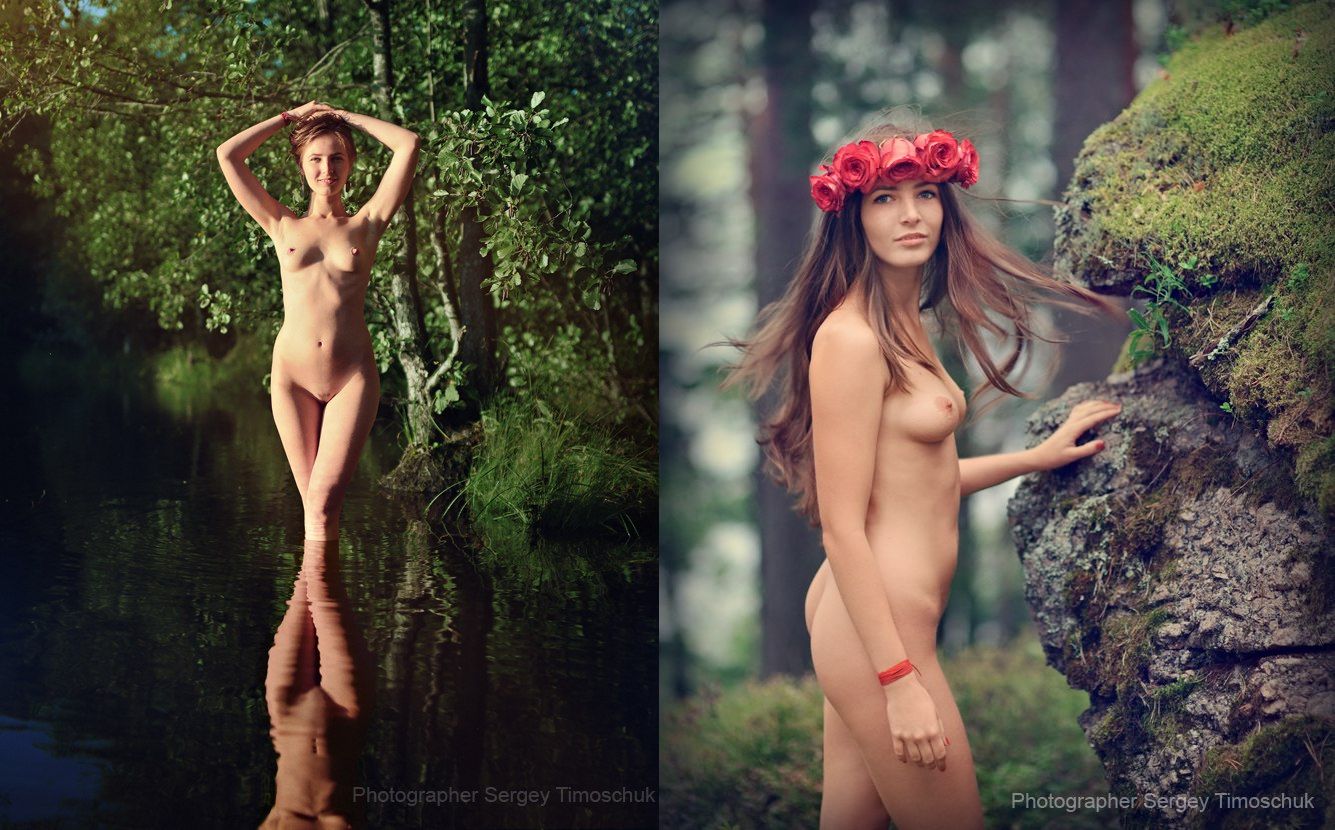
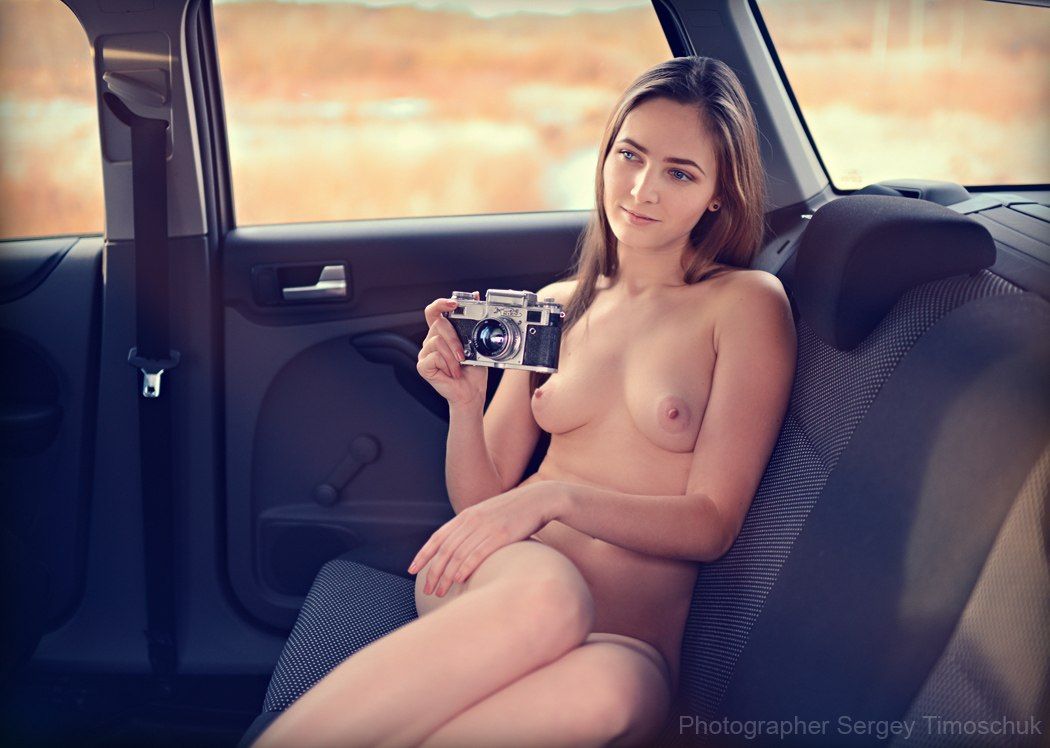

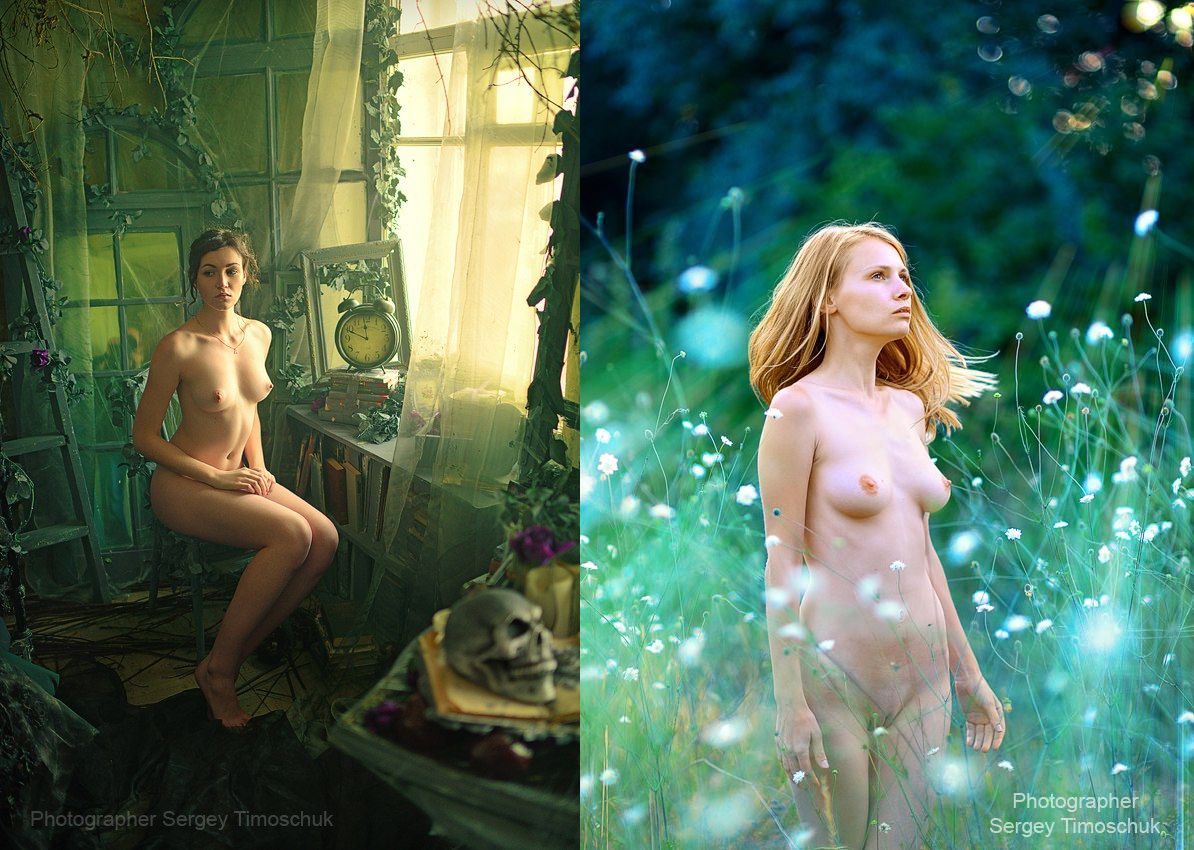
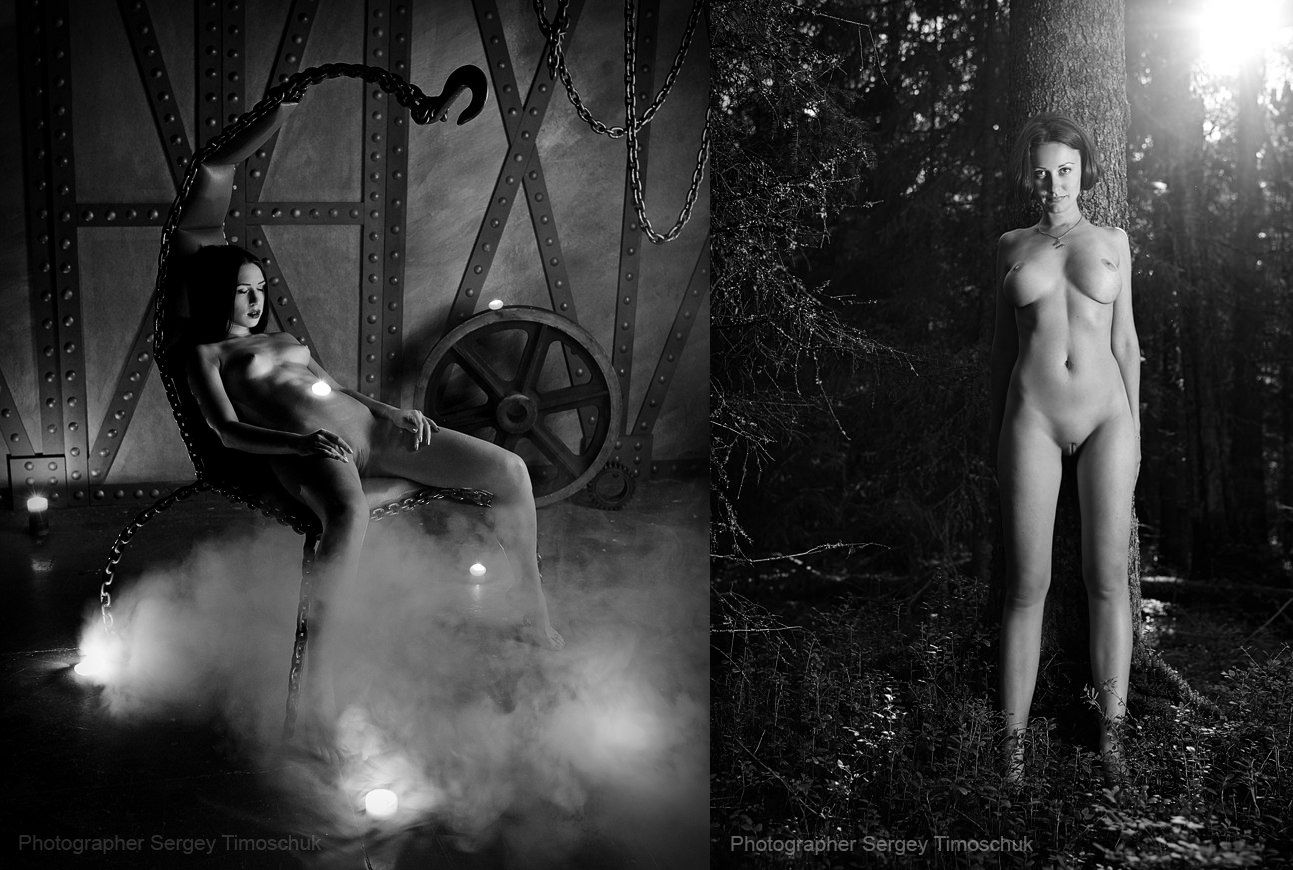

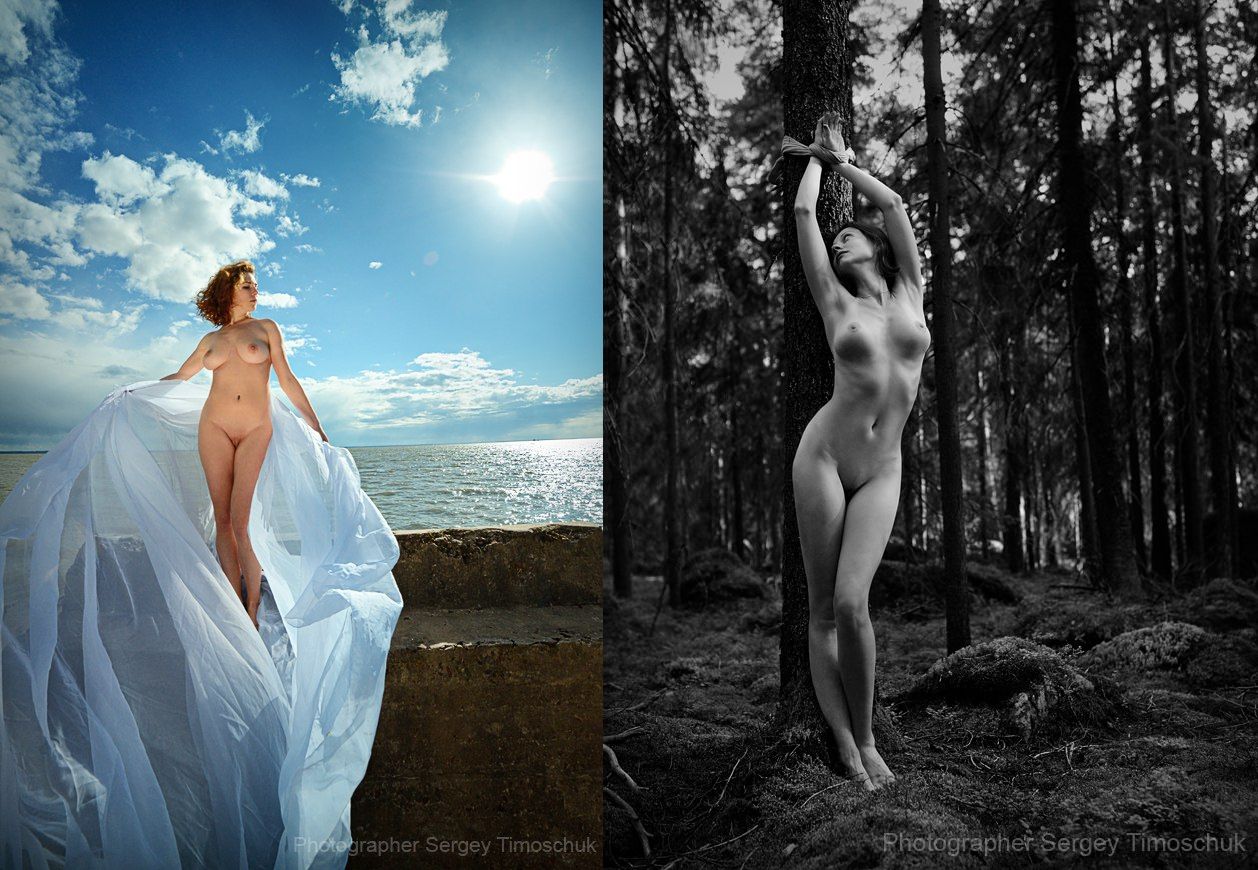







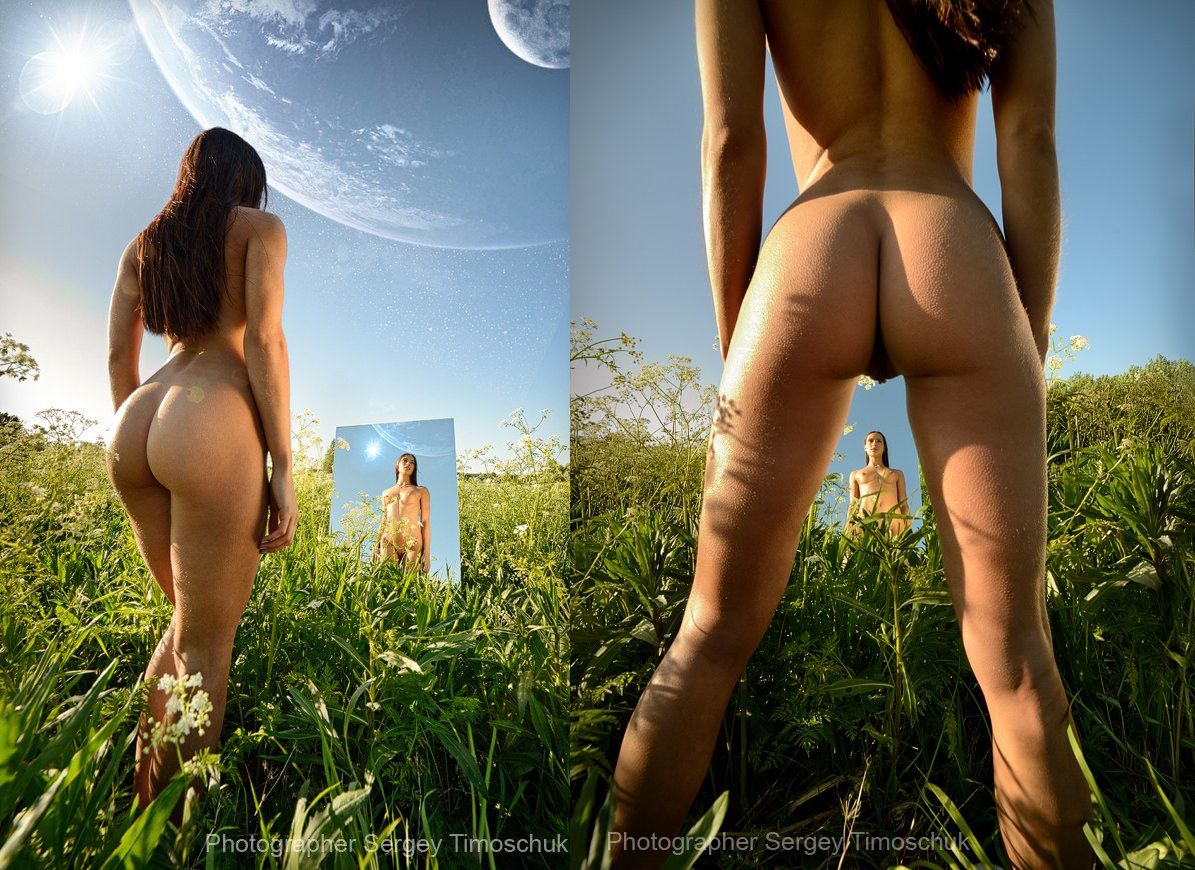






SERGEY TIMOSCHUK'S EROTIC WORK
Our next recommended photographer, Sergey Timoschuk, comes from St. Petersburg. What could I say about his photgraphy? Well, he likes using natural light and shooting outdoors... oh, and the models he works with are super hot!FUCK ANY GIRL WITH AI








THE PAINTINGS OF VALERIIA KOZHUKHOVA
Long before museums, art academies, or Instagram existed, human beings were already painting, sculpting, and drawing the female body.
We have turned it into a symbol of fertility, motherhood, beauty, desire, power, sin, or freedom, depending on the era and on who was holding the brush. It has appeared on cave walls, in ancient sculptures, frescoes, paintings, photographs, and now on digital screens as well.

And this fascination has never belonged exclusively to men. For centuries, men and women have tried to understand and portray a body capable of expressing so much without saying a single word. An arched back, crossed legs, or the curve of a hip can convey intimacy, vulnerability, strength, or desire, depending entirely on the artist’s perspective.
Perhaps that is why we keep coming back to it. The female body offers endless possibilities and, no matter how many times it has been portrayed, it never runs out of things to say as an artistic subject. Every era interprets it in its own way, and every artist finds something different to express through it.
Artist Valeriia Kozhukhova continues that tradition through paintings, watercolors, and digital artwork featuring nude women or women portrayed in intimate and sensual poses.
In her work, eroticism does not depend on showing everything. Sometimes a pose, a glance, a shadow, or a handful of strokes is enough to awaken something in the viewer. The body becomes a model, a landscape, and a language all at once.
The tools, styles, and places where we view art have changed, but the fascination remains untouched.
We have spent thousands of years trying to turn the female body into art, and we still have not finished looking at it.

# View images and videos
ExtraBall
GTA VI. Lucia’s phone. ❤️
 instagram.com/nocturn.psd
ExtraBall2







THE INTERNET, THE WORLD’S BIGGEST SCHOOL
For most of human history, learning something almost always depended on having someone nearby who knew how to do it. A parent, a teacher, a craftsman, or that one neighbor who could fix anything with a screwdriver and a couple of swear words.
If nobody around you knew how to paint, repair an engine, play guitar, or make sushi, chances are you weren’t going to learn either. You could look for a book, sign up for a class, or spend years figuring out by yourself what someone else could have explained to you in twenty minutes.
Video tutorials completely changed that.
Now we have a teacher available for practically anything we can think of. You can learn how to replace a roller-shutter strap, solder a pipe, grow tomatoes, build a computer, make a table, edit a video, or draw human anatomy properly. All you have to do is type in a few words and, more often than not, someone has already taken the time to record the entire process step by step.
It may feel completely normal because we’ve been living with it for years, but having instant access to the practical knowledge accumulated by millions of people is one of the internet’s greatest achievements. Never before have we been able to learn so many things, from so many people, with so little effort.
Forty years ago, getting better at drawing required an art school, specialized books, and countless hours of trial and error. Today, you can watch every stroke, pause the explanation, rewind, repeat the movement, and practice at your own pace while someone shows you exactly where to place every line, shadow, and curve.

# Watch the videos
ExtraBall
Mastering the Force.
ExtraBall2







 CamBB.xxx
We find the best live porn cams across many different cam sites like Streamate, Chaturbate, Cam4 and Stripchat.
 ChatSex.xxx
With Chat Sex you get free sex cams featuring nude cam girls you can chat with for free.

FEATURED MODEL
ONLYFANS · FREE
Misty Mayhem
@mistychains
Discover her photos, explore her content and access her profile for free.


RECOMMENDED SITES
 Add your site
- The Nip Slip
- Porn Pics
- sweetlicious
- Erosberry
- celeb-stalker.com
- Kanoni Net
- Shocking Porn
- Candid Teens
- Babes & Bitches
Add your site💩 CrazyShit
🤪 eFukt
👉🍑 Top XXX Pictures
Bingo Porno
Best Porn Blog Sites
 Sex Games
MrPornGeek
Hardcore Porn Videos
NSFW.Tools
Sex AI Chat
Porn Game
ShareAnyNudes
Teenager365
Best JAV Models
Hotness
HornyFap


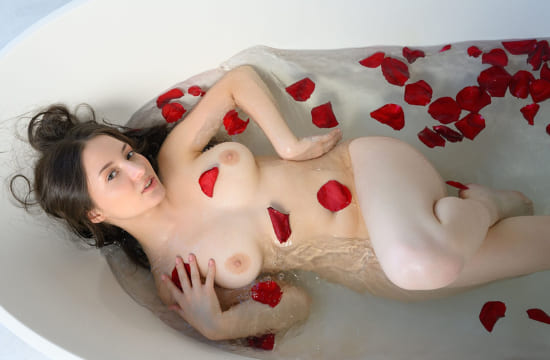













THE EROTICISM OF KSENIYA LOKOTKO
The artistic nude photography of Kseniya Lokotko is defined by a contemporary perspective that blends influences from fashion and fine art portraiture.
With an artistic background and professional experience dating back to 2015, she has developed a visual style that combines sensitivity, storytelling, and meticulous attention to detail.
In her artistic nude projects, the human body is presented as an expressive and compositional element, prioritizing the beauty of form, light, and emotion over any explicitly sexual approach.

# View the photographs
ExtraBall
Disco Ball ❌
Disco Balls ✅
ExtraBall2






ALL FOR A GOOD TIP
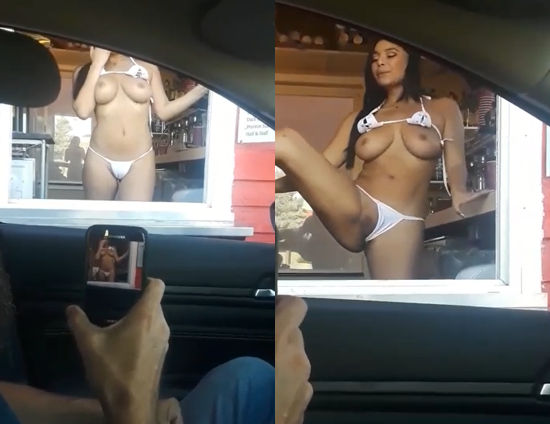
Have you ever seen those places where you can order coffee without getting out of your car and the barista serves you wearing nothing but a bikini? They've been running this particular business model in the United States for years, where the caffeine matters, but it clearly isn't the only reason some customers keep coming back every morning.
A few years ago, we dedicated a post to one of the most famous baristas at Bikini Beans Espresso, a chain that realized you can find coffee on practically every corner, but a bikini-clad barista serving it directly through your car window is much harder to forget.
From there, each barista decides how far she wants to take the experience. Some simply prepare your order, smile, and wish you a nice day. Others, when the customer proves to be generous, seem willing to offer a little more than some extra milk in the coffee.
Because a good tip can considerably improve the service and, at certain places, persuade the barista to put on a little personalized show without you ever having to leave the driver's seat.
The coffee might not be the best in town, but some customers certainly leave feeling wide awake.
# Watch video
ExtraBall
Chris's pimple.

ExtraBall2





Contact
You can tell us whatever you want via email: [email protected]
If you prefer, you can use this contact form:
If you prefer, you can use this contact form:





AMATEUR FLESH: KAWAIIMOMO7
On Fridays, I put a little more effort into searching for content because a week can’t end just any old way. It deserves a proper send-off, with something entertaining enough to leave a good taste in your mouth as you head into the weekend.
After digging around for quite a while, I think the photos and videos from kawaiimomo7 more than deliver. Homemade content, natural appeal and plenty of good reasons to spend a few minutes with her before officially bringing the week to a close.
I provide the material, and you decide how long you want to enjoy it.
Have a great weekend. On Monday, we’ll pick up exactly where we left off. Don’t let me down.

# View photos and videos
ExtraBall
Spending the summer with Sofía Vergara.
instagram.com/sofiavergara
ExtraBall2







THE KIND OF SEX THAT NEEDS NO EXPLANATION
Not so long ago, talking about sex dolls meant picturing some crude product hidden at the back of a sex shop and destined to become the punchline of a joke. But the industry has changed. A lot. The old inflatable dolls have given way to hyperrealistic bodies made from silicone, with articulated skeletons, textured skin, and a level of detail that is becoming as fascinating as it is unsettling.
Each new generation moves better, weighs less, offers more customization options, and comes a little closer to the fantasy its owner has in mind. You can choose the body, face, skin tone, hair, and even small details that turn a mass-produced product into something that feels unique.
And as the technology improves, the way we look at them is changing too. Sex dolls are leaving behind their status as a secretive object and becoming another option within the pleasure industry. They still provoke rejection, curiosity, and more than a few uncomfortable glances, but it is becoming less unusual to find them on social media, at exhibitions, in specialized brothels, or in the homes of owners who no longer feel the need to hide them.

There is obviously sex behind all this, but perhaps there is something else too. We live in an age when we can talk to anyone, at any time, from anywhere, yet more and more people feel lonely, isolated, or unable to form genuine connections. We have never been so connected, and yet it has never been so easy to go for days without having a real conversation with anyone.
In this scenario, the industry is not simply selling a body. It is selling availability, freedom from rejection, and completely controlled intimacy. A partner who doesn’t judge, demand, argue, and is always there. For some, it will simply be a sophisticated sex toy; for others, a presence filling an emotional space that used to be empty.
The next step seems inevitable: integrating artificial intelligence, voices, sensors, personalized responses, and increasingly natural movements. When that happens, they will stop being simple dolls and become something much harder to define. And that is when the uncomfortable questions will begin: if a machine can make us feel less alone, will it really matter that it feels nothing for us?
The sex doll industry continues to grow, evolve, and make its way into the mainstream without making too much noise. Today, we take another look at this market where sex, technology, and loneliness come together, with a selection of images and videos showing just how far it has already come.
And judging by the results, it is pretty clear that this is only the beginning.

# View photos and videos
ExtraBall
Get those shirts up!
ExtraBall2