Eporner HD Sex Porn Discounts Sex Games Porn Games XXX Games Hentai Games PornStar Games 3D Porn Celebrity Sex Videos
Live Sex Free Live Sex Free Sex Games Páginas Porno Nude Celebrities TikTok Porn Sex Cam RoseToy Official Cams Porno AI Porn
Live Sex Free Live Sex Free Sex Games Páginas Porno Nude Celebrities TikTok Porn Sex Cam RoseToy Official Cams Porno AI Porn

Published on 2019/05/14
Since 2015, Marian works on her own. Now she lives, loves and surfs in New York.
FUCK ANY GIRL WITH AI
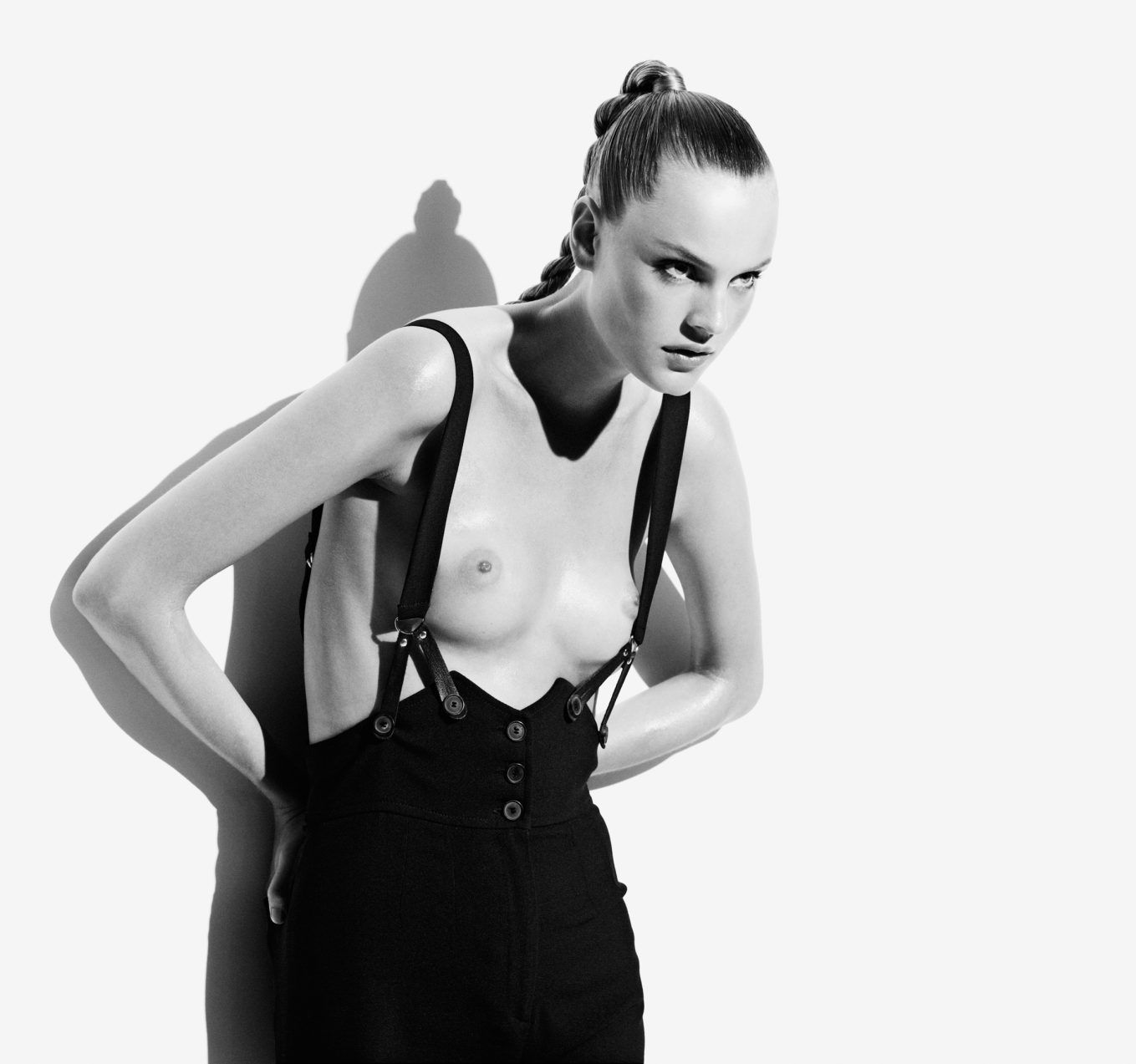
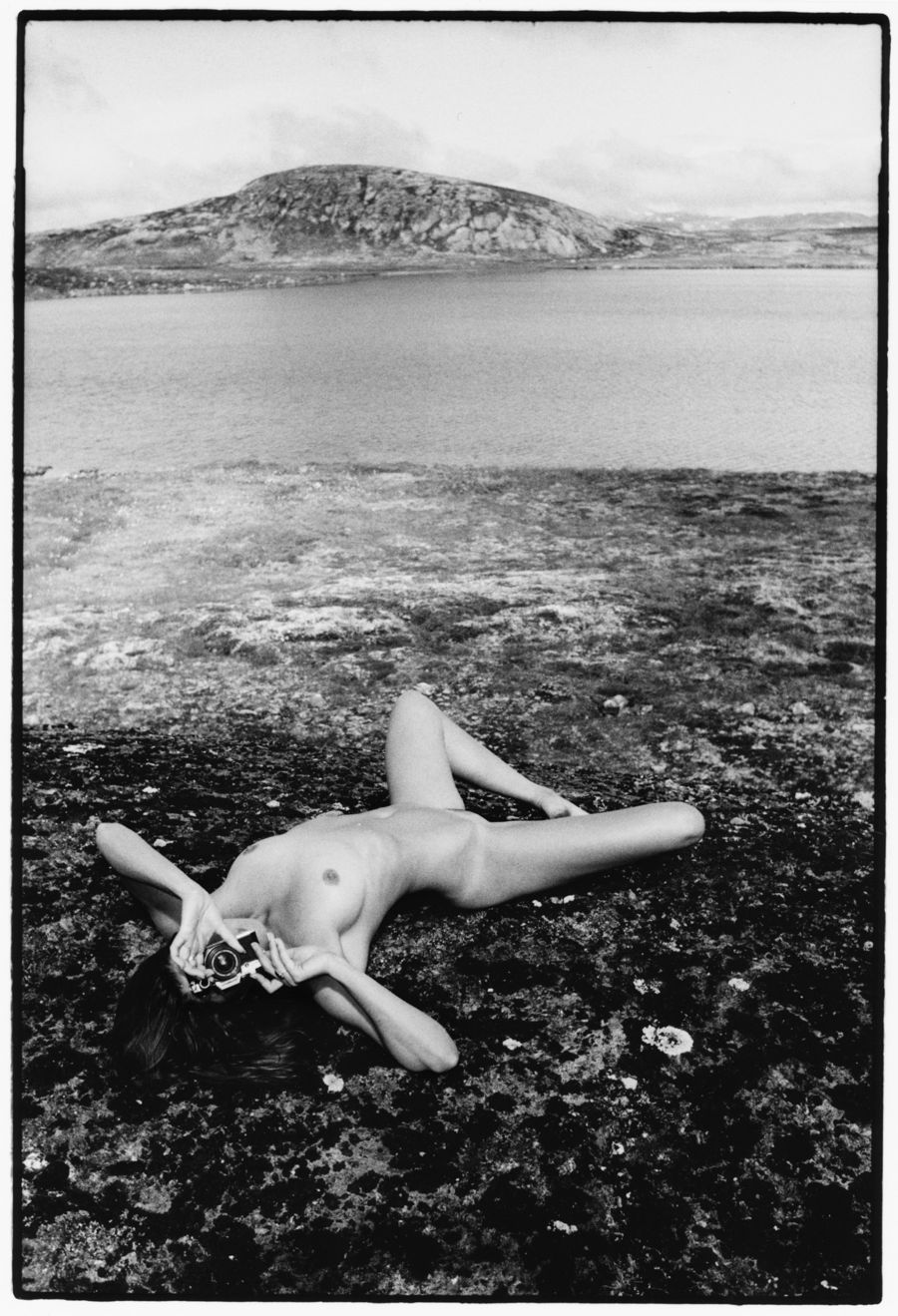
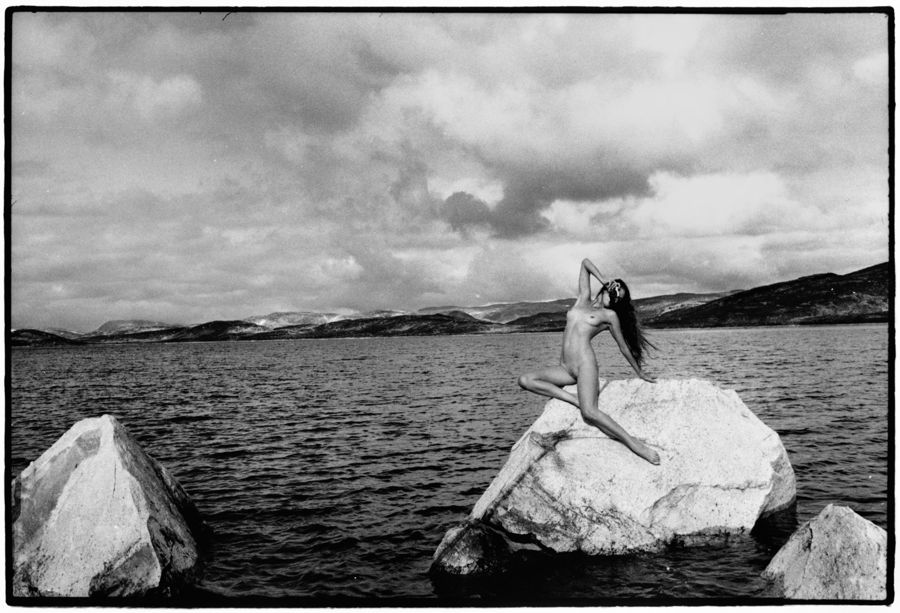

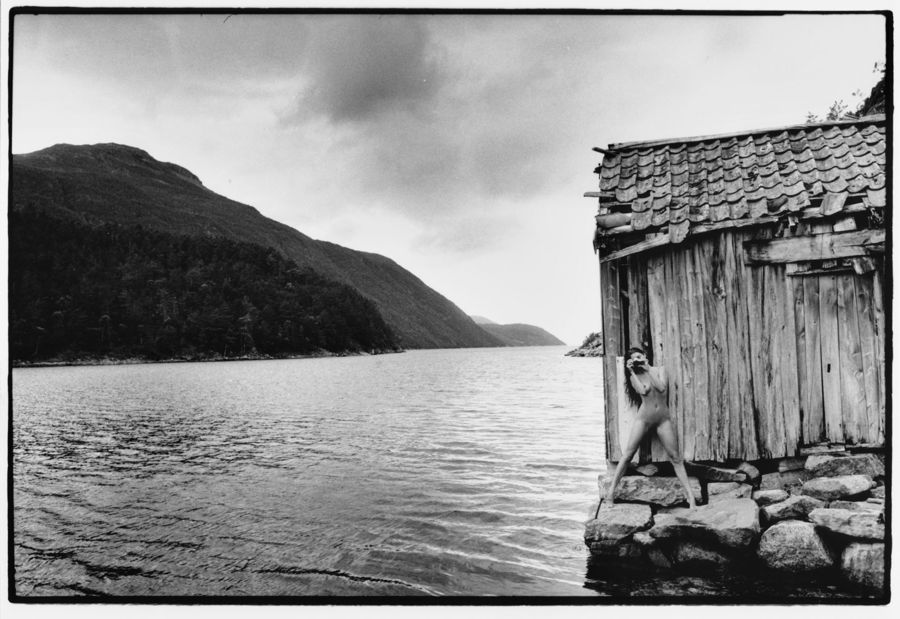
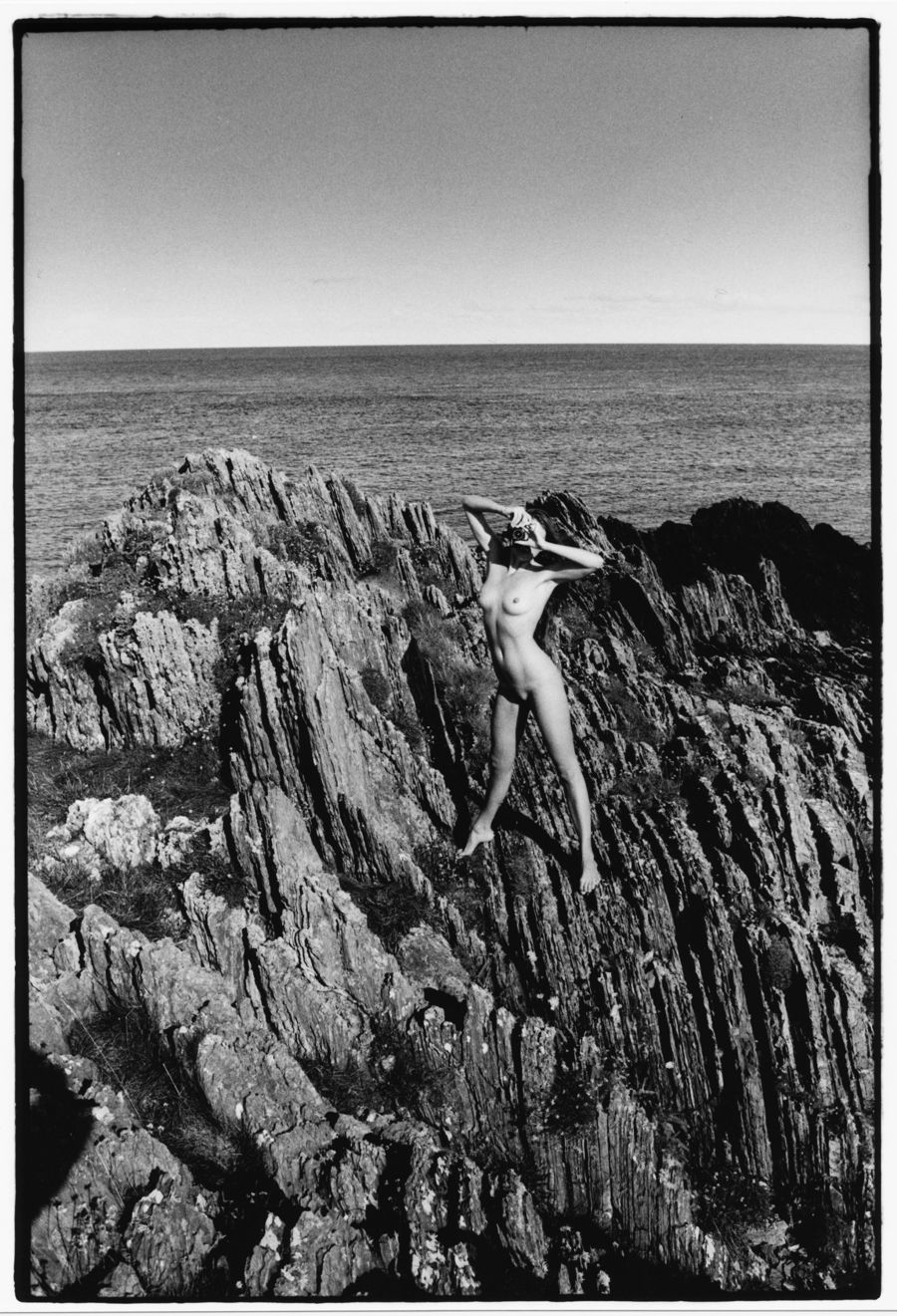
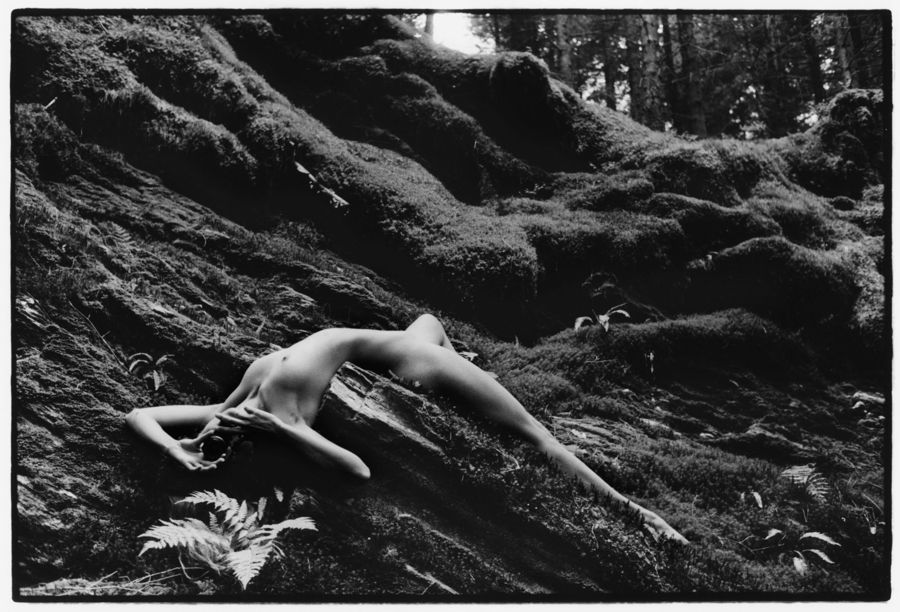

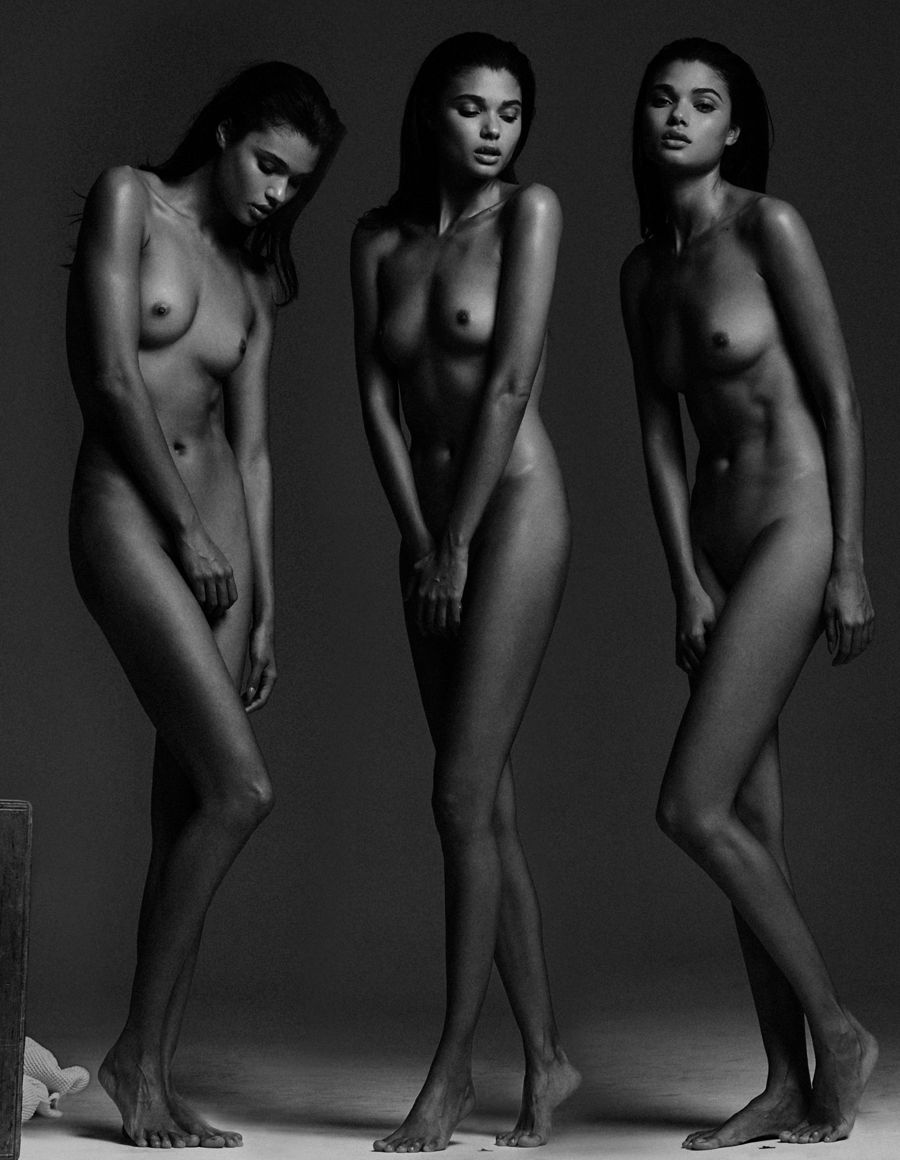
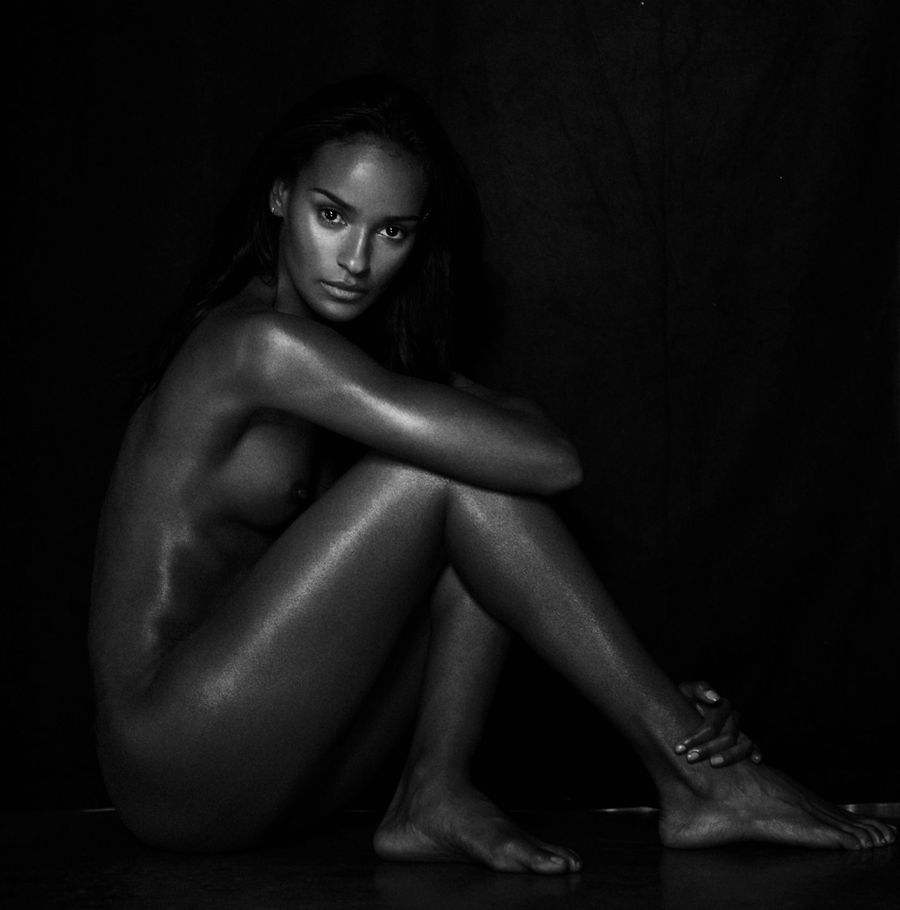
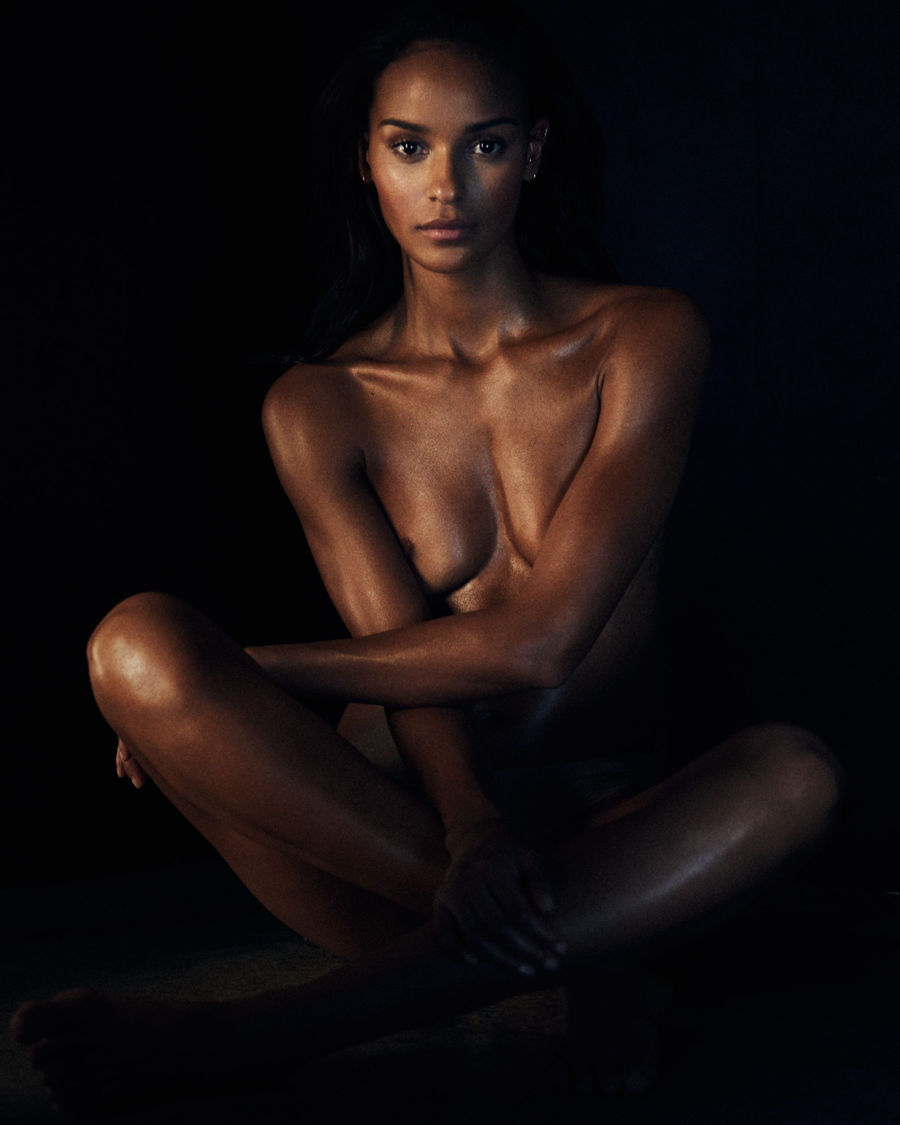

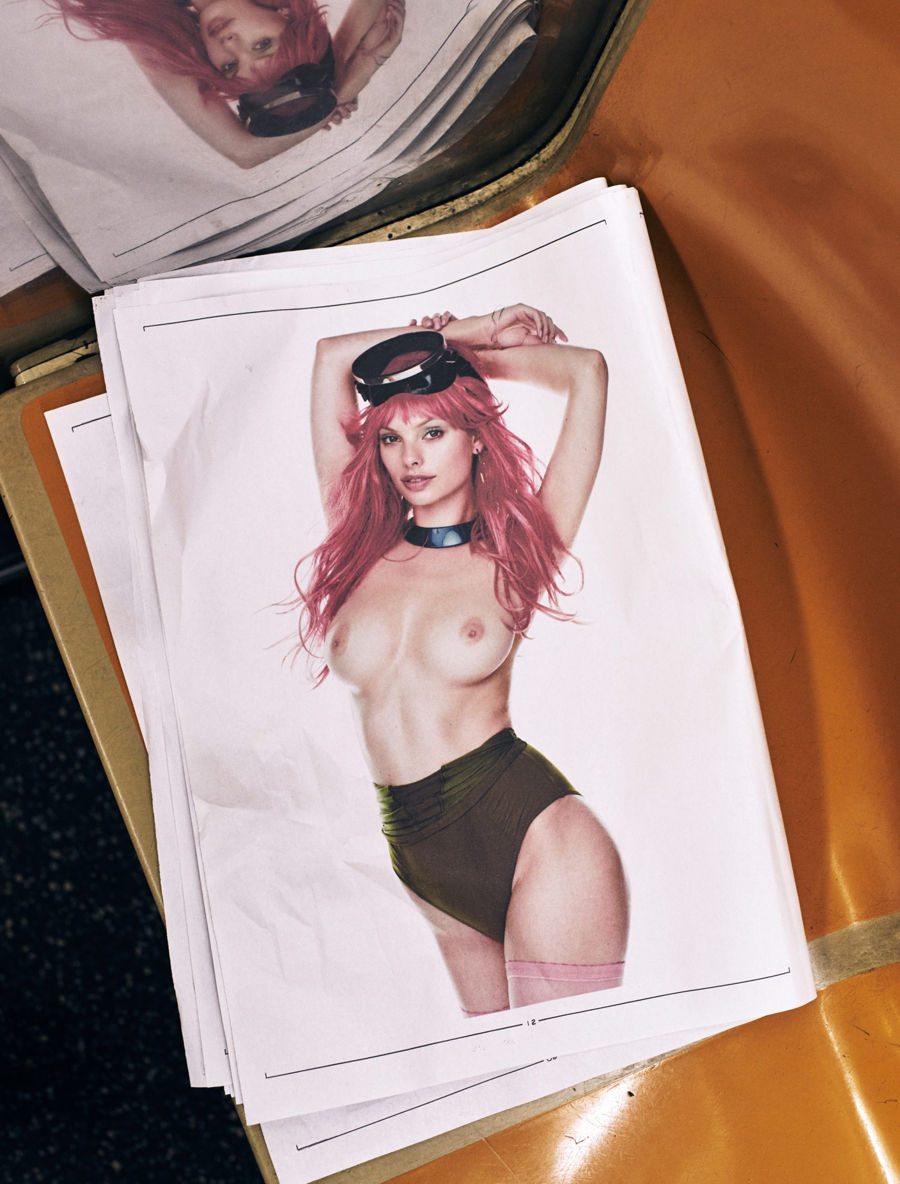

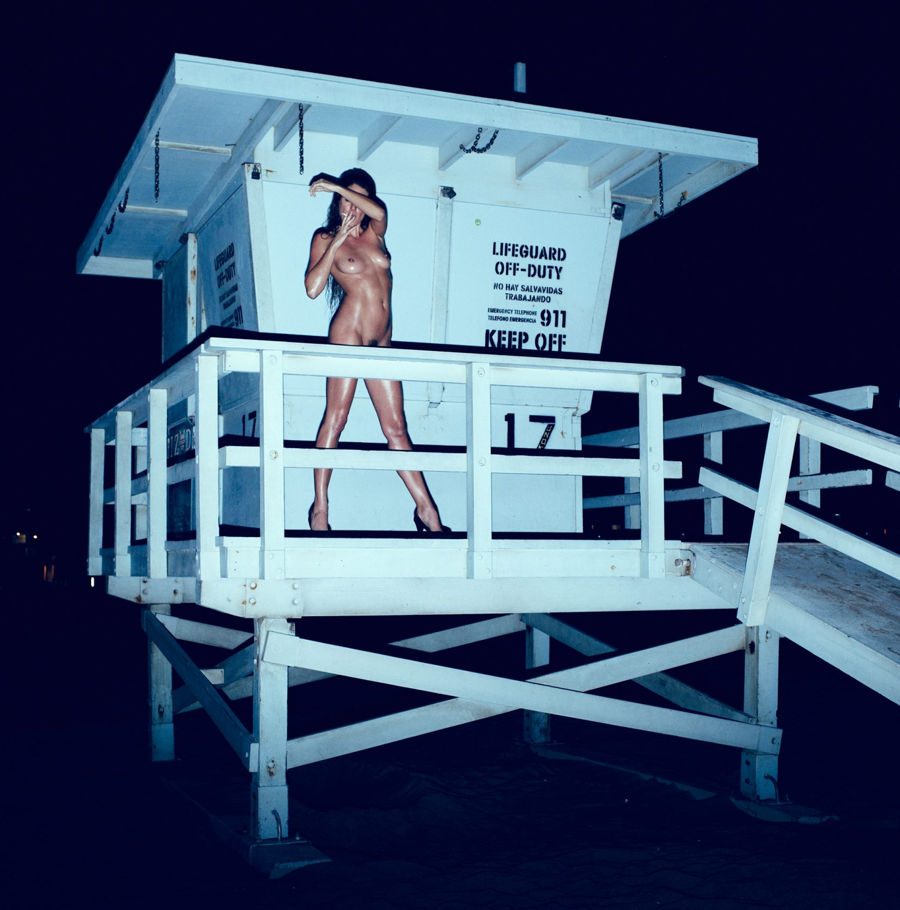
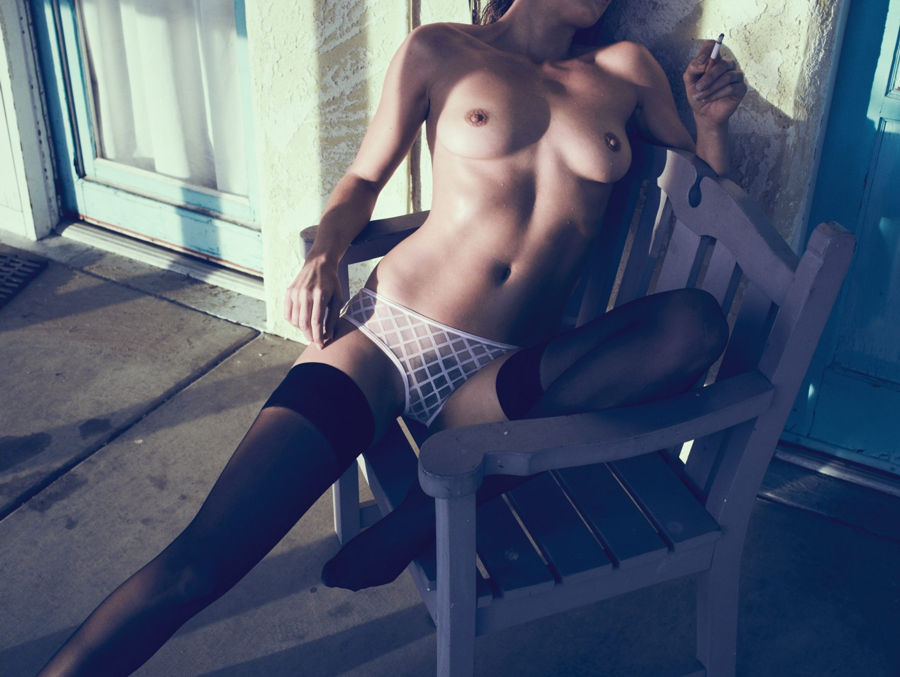
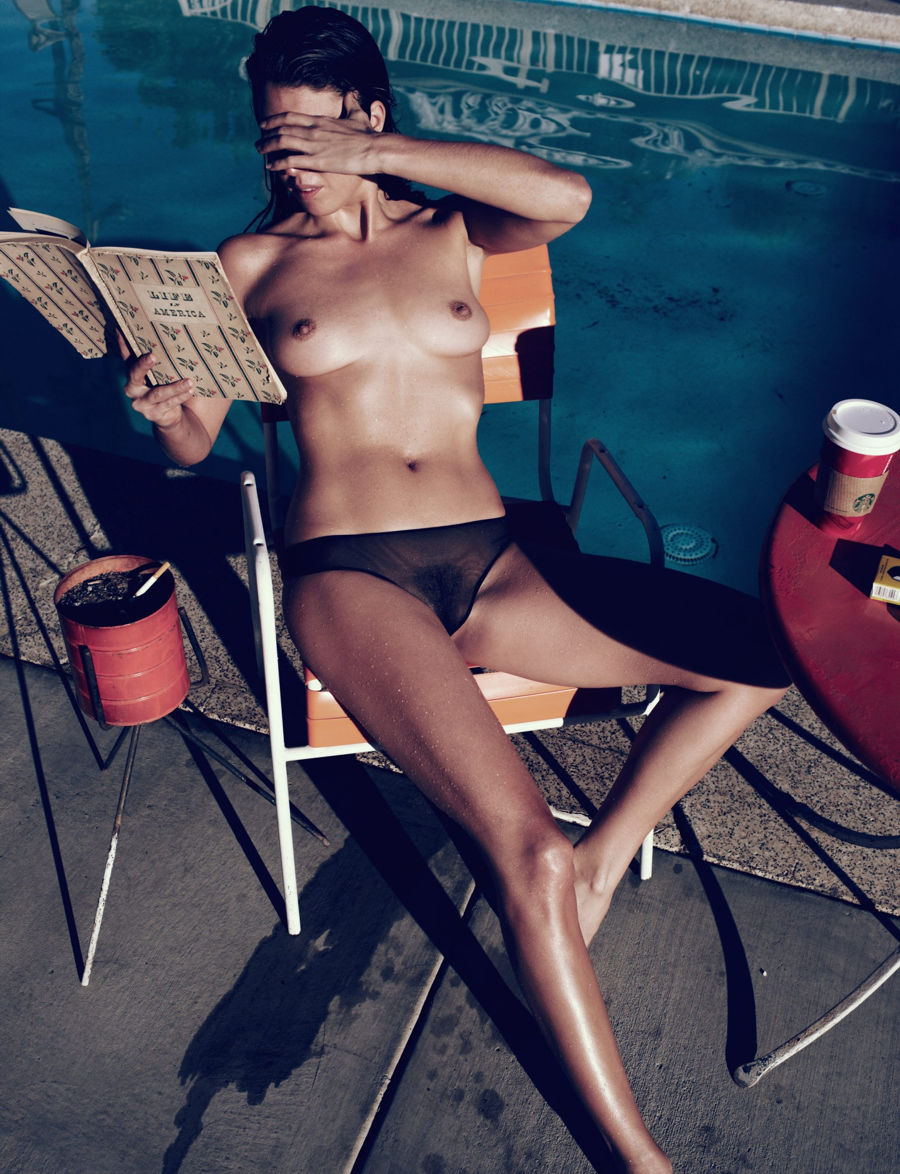
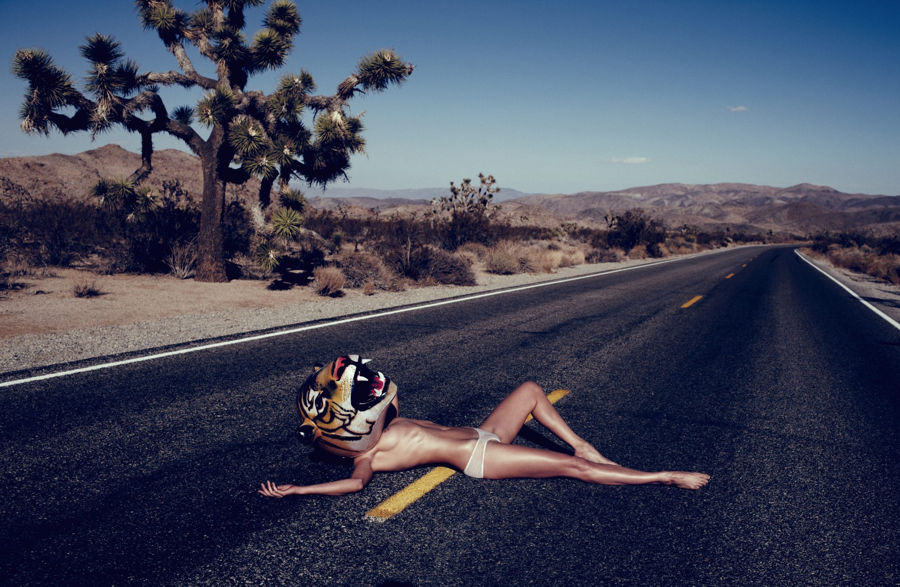
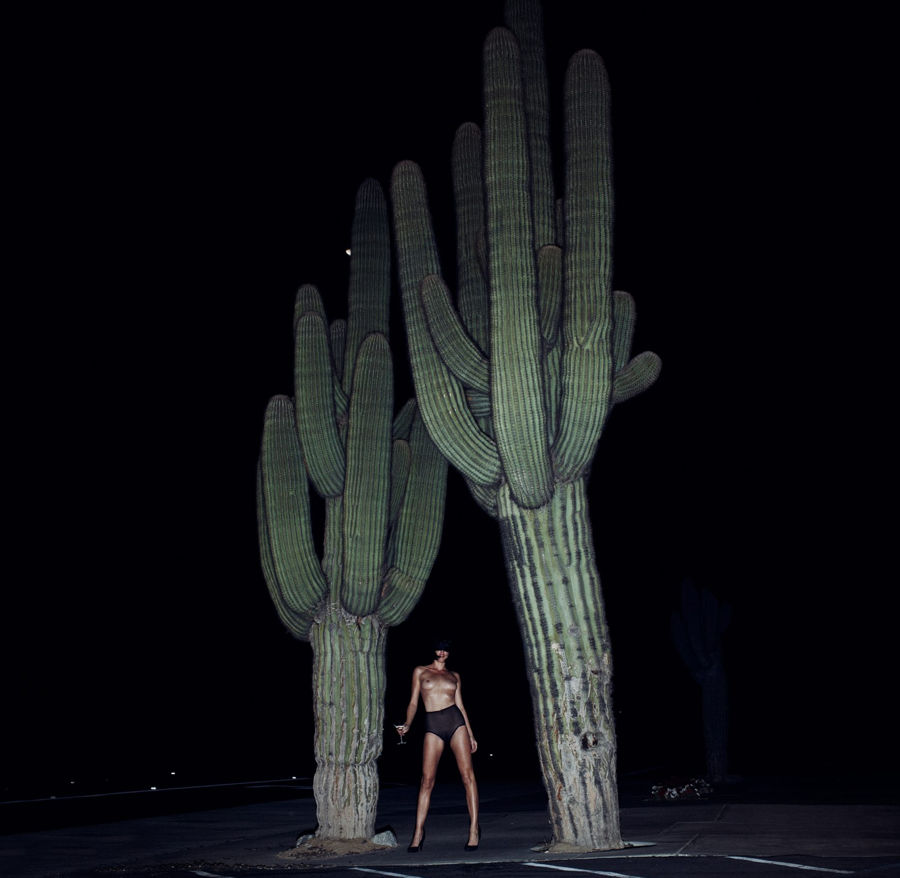
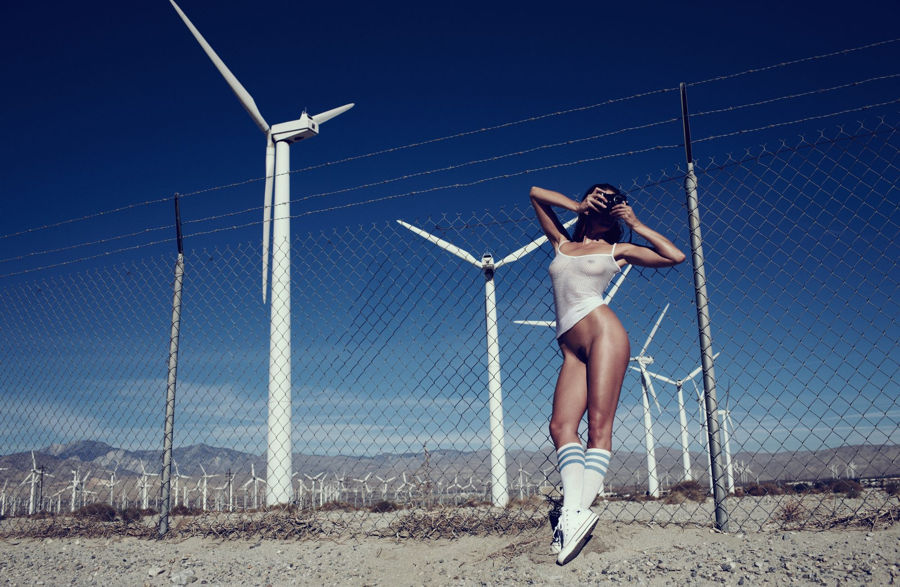
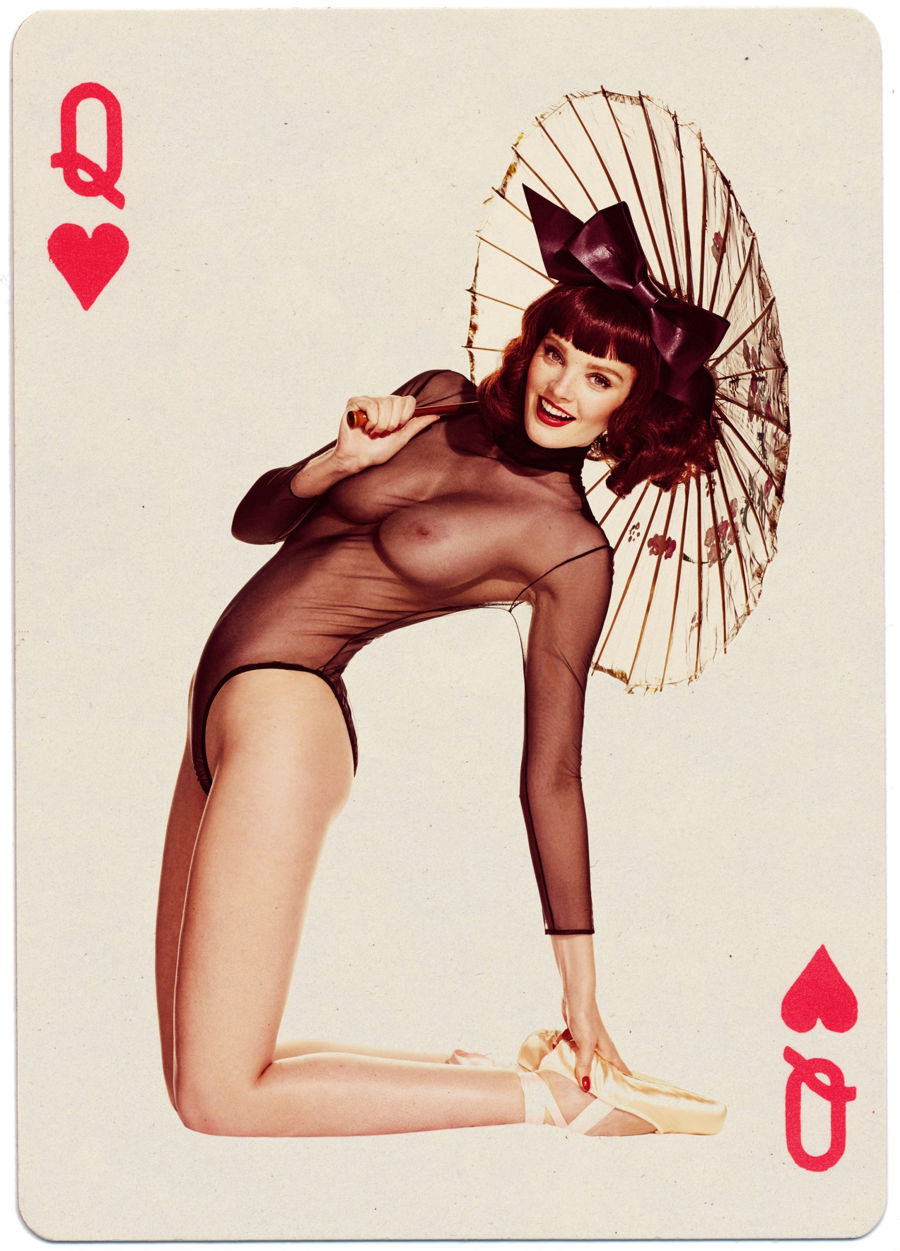
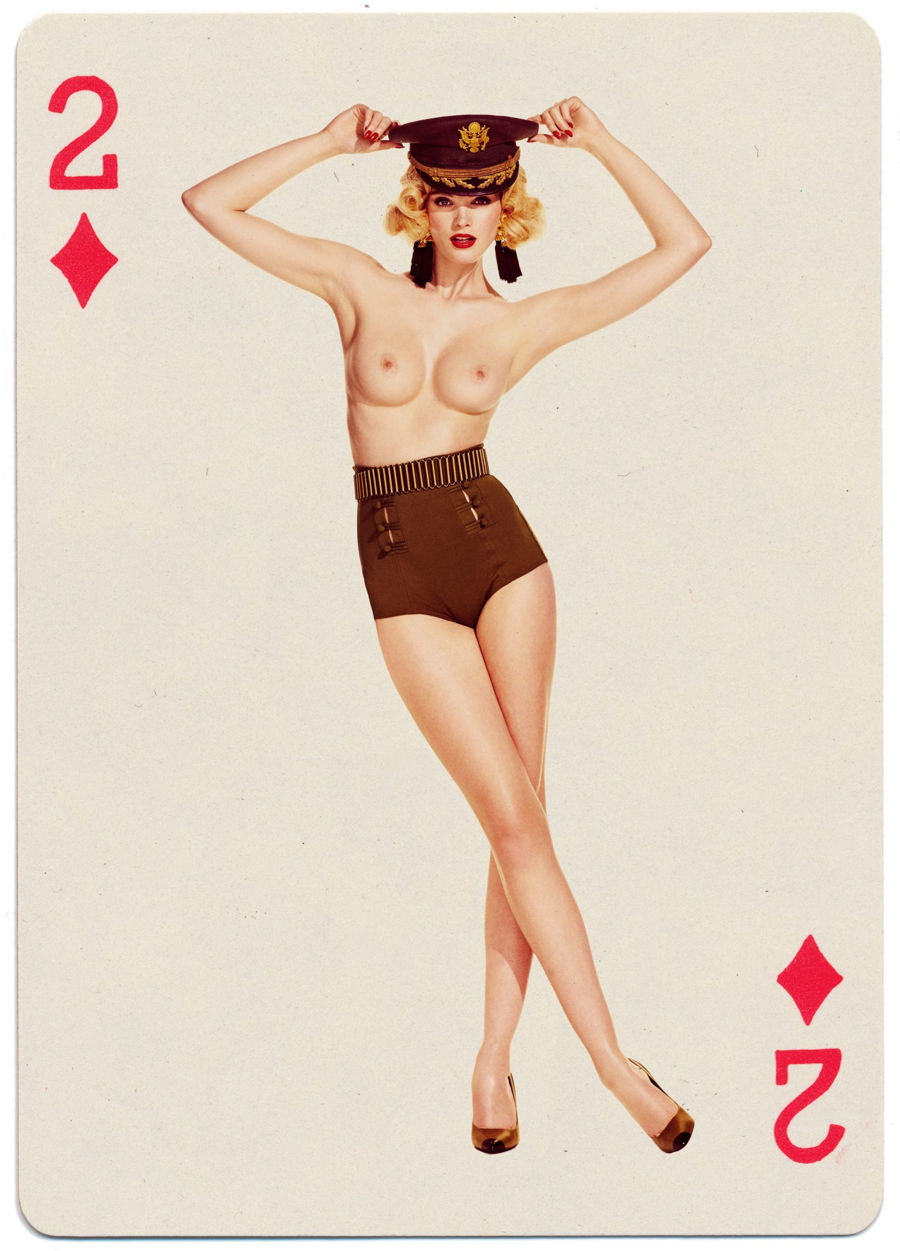
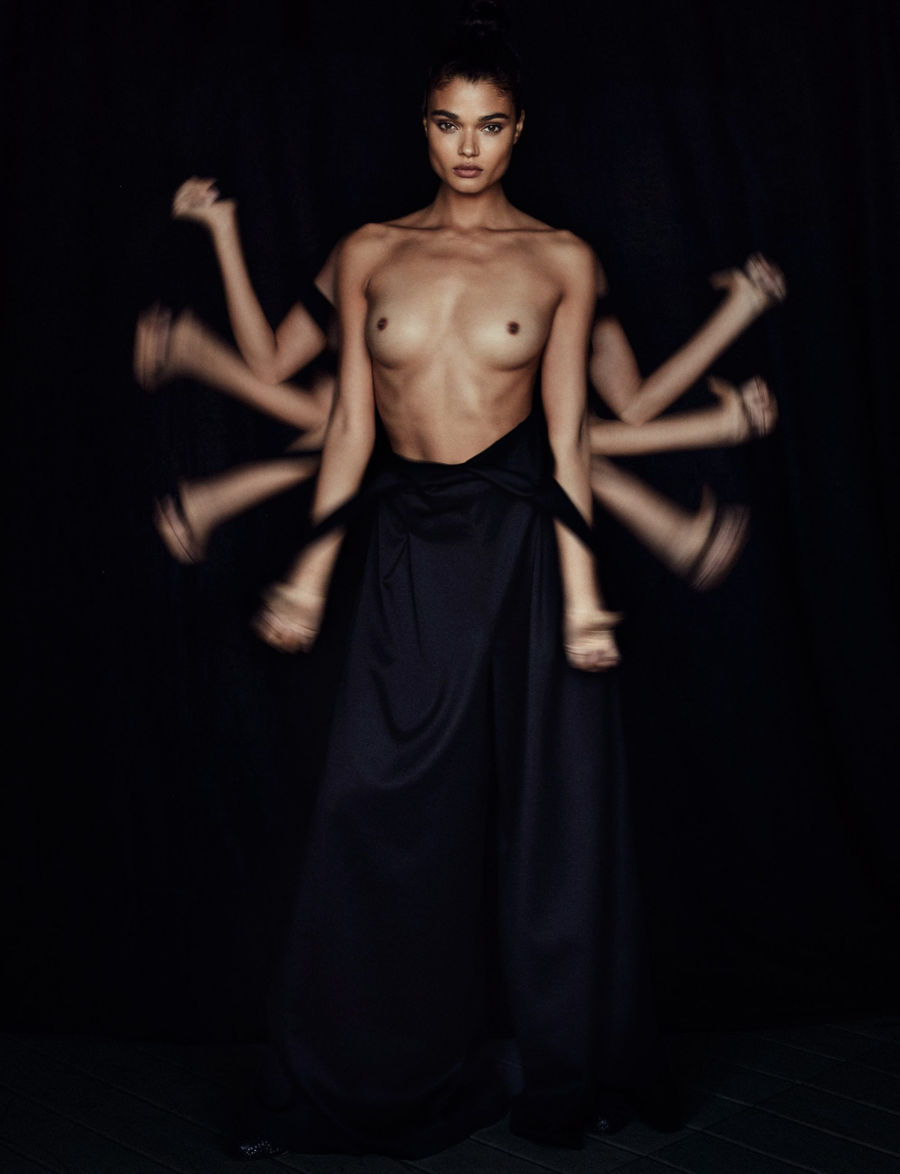
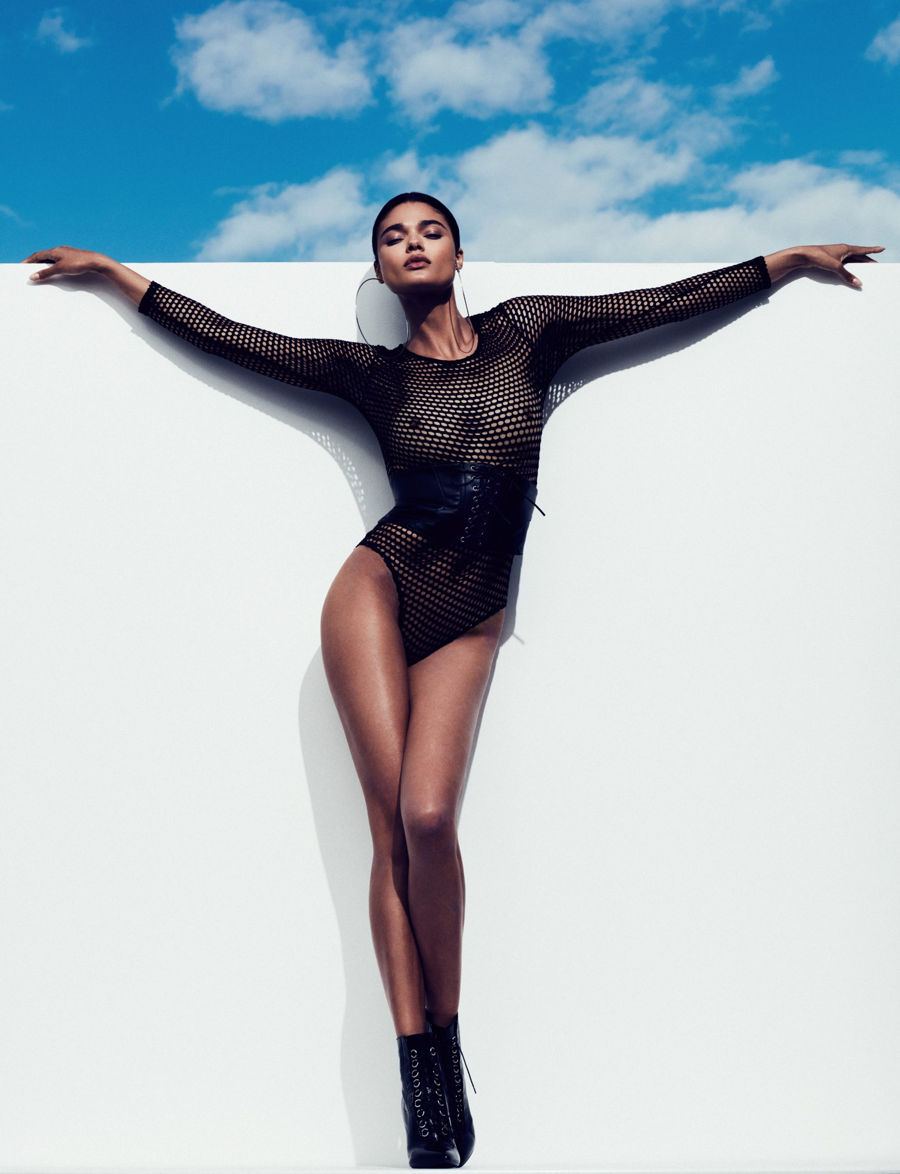
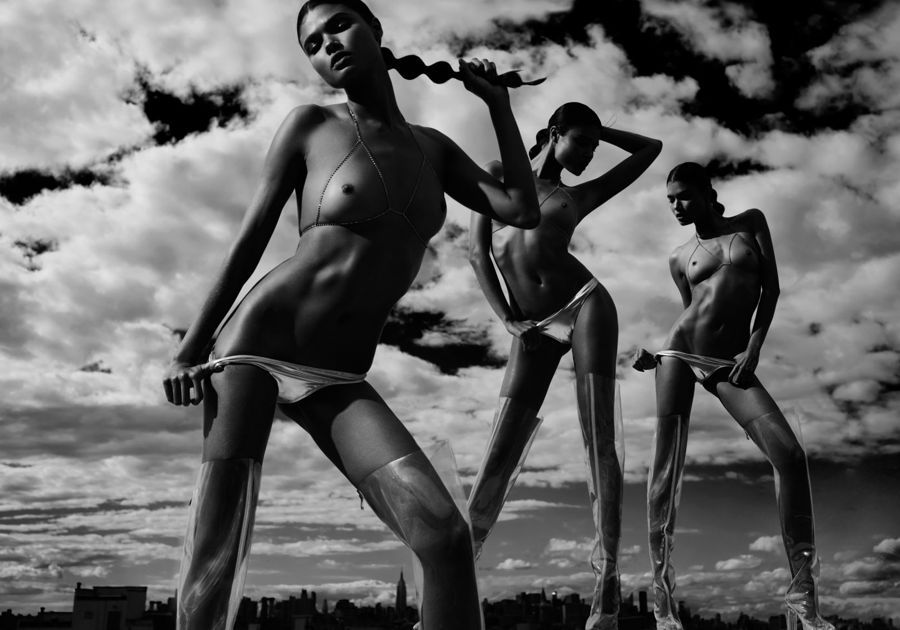
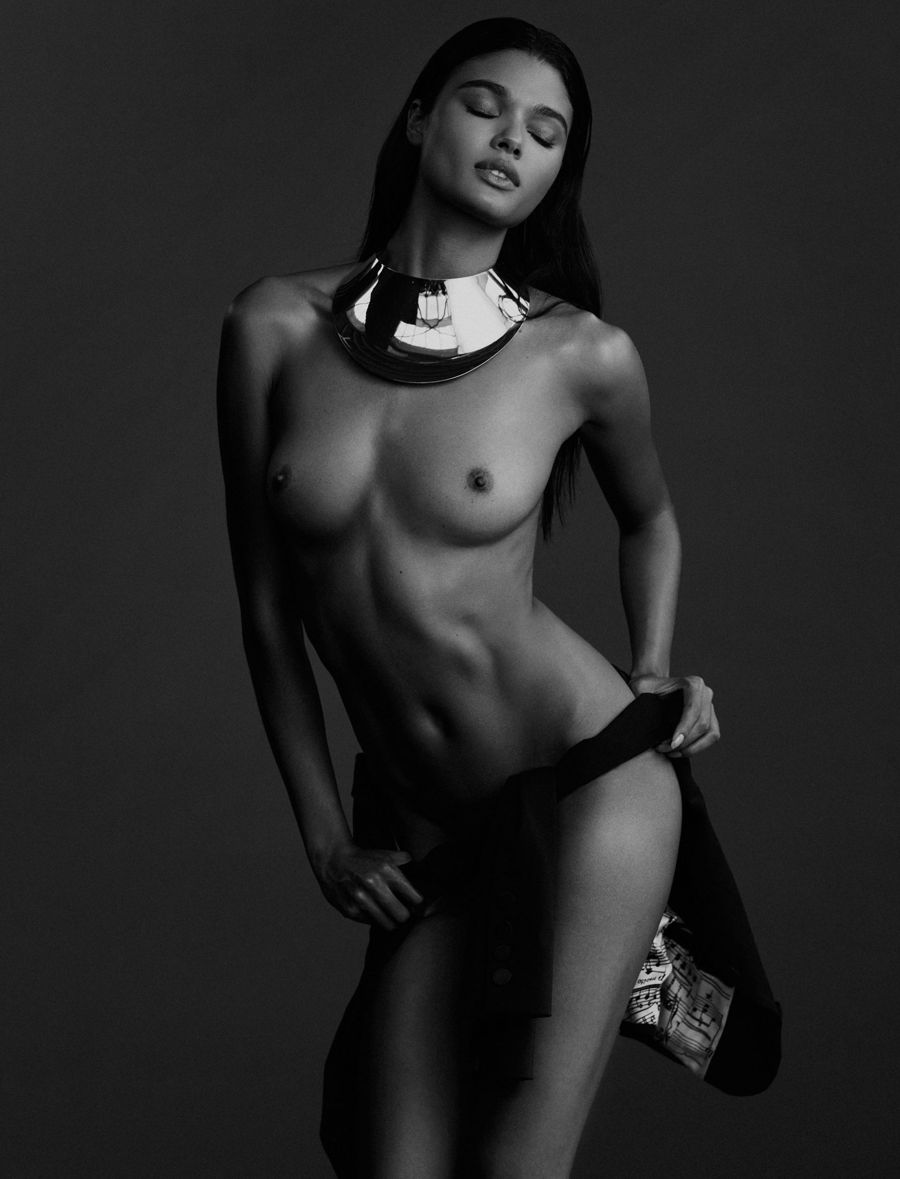
THE NUDES OF MARIAN SELL
Photographer and filmmaker, Marian Sell was born and raised in Germany. After living and making a living in Paris for 5 years, she moved to New York, where she worked as an assistant to the well-known photographer Alexi Lubomirski.Since 2015, Marian works on her own. Now she lives, loves and surfs in New York.
FUCK ANY GIRL WITH AI
|
|
|









THE EROTICISM OF ALEXIS PAOLESCHI. PART 2
Yesterday, we shared a first selection of Alexis Paoleschi’s work, but we already warned you that we’d left plenty of photographs out. Not because they were any less interesting, but because his archive had far too much great material to squeeze it all into a single post.
In this second part, we once again come across his distinctive way of photographing the body: clean compositions, minimal settings, and a use of light that allows a back, a curve, or a simple silhouette to have more impact than a completely explicit image.
Paoleschi doesn’t need to fill the scene with objects or rely on elaborate tricks. All he needs is a body, a light source, and the trust of the person in front of his camera to create images that move between intimacy, sensuality, and fine-art photography.
Part two. New photographs, same impeccable taste.

# View the photos
ExtraBall
GTA V. 💔
 instagram.com/contenuti_ai
ExtraBall2




USING A CUSHION OR PILLOW AS AN EXCUSE
The internet is full of trends that probably started because someone did something, someone else decided to copy it, and before we knew it, there were enough identical videos to dedicate an entire post to them.
This time, the only requirement seems pretty simple: stand in front of the camera holding a cushion or pillow to cover your body and stay like that for a few seconds.
Just long enough to build a little anticipation, because we all know perfectly well that nobody pressed play to check out these girls' pillow collections.
Then comes the second part of the trick: the cushion drops, gets tossed aside, or simply disappears from the frame, no longer serving the only purpose it was invited for.
A compilation dedicated to all those pillows that enjoyed a few seconds in the spotlight before discovering that they were actually completely unnecessary.

# Watch videos
 You can find much more content like this on our TELEGRAM CHANNEL
 How to unlock adult content on Telegram (Apple, Android, or any other device)
If you enter our channel and see an adult-content warning that prevents you from viewing anything, it means the restriction filter is enabled.
Go to https://web.telegram.org, log in, and open:
Settings → Privacy → Sensitive Content
Enable “Disable Restrictions” and you’re all set.
The change will automatically sync with the Telegram app on all your devices.
ExtraBall


 CamBB.xxx
We find the best live porn cams across many different cam sites like Streamate, Chaturbate, Cam4 and Stripchat.
 ChatSex.xxx
With Chat Sex you get free sex cams featuring nude cam girls you can chat with for free.

FEATURED MODEL
ONLYFANS · FREE
Petite Ebony Naomi
@naomiebonyvip
Discover her photos, explore her content and access her profile for free.


RECOMMENDED SITES
 Add your site
- The Nip Slip
- Porn Pics
- Erosberry
- sweetlicious
- celeb-stalker.com
- Kanoni Net
- Shocking Porn
- Candid Teens
- Babes & Bitches
Add your site💩 CrazyShit
🤪 eFukt
👉🍑 Top XXX Pictures
Bingo Porno
Best Porn Blog Sites
 Sex Games
MrPornGeek
Hardcore Porn Videos
NSFW.Tools
Sex AI Chat
Porn Game
ShareAnyNudes
Teenager365
Best JAV Models
Hotness
HornyFap
















THE 57-YEAR-OLD MILF WHO NEVER EXISTED
Most women created with artificial intelligence seem to have rolled off the same production line: porcelain skin, a face without a single wrinkle, perfect tits, an impossible ass and proportions that nature could only achieve with Photoshop.
The creators of this profile decided to take a different approach. Its protagonist is 57 years old and has been designed to look like a genuinely mature woman: slim, with few curves, some facial wrinkles and a distinctive beauty that doesn’t need to pretend she’s twenty.

Her videos show what is supposedly her everyday life. She goes to the gym, visits museums, goes out for drinks and cocktails, gets dressed up, takes walks and enjoys the kind of sophisticated lifestyle we associate with an attractive, confident and independent woman. One of those elegant, desirable moms we’ve all fantasized about meeting at some point.
Obviously, none of what we see is real. Not the woman, not her age and not her weekend plans. But the profile is designed to make you forget that small detail for a few seconds and feel as though you’re following the life of a real person.
And, as usually happens in these cases, behind the museum visits, gym sessions and glasses of wine, there’s a link to a paid platform. Because this MILF may not exist, but the business they’ve built around her is completely real.

# Watch videos
ExtraBall
Today’s slow-motion clip.
ExtraBall2




TCHOOZE’S NUDES
TchoozePix is the pseudonym of a photographer specializing in boudoir photography and artistic nudes. His images, published mainly through Patreon and other social media platforms, combine natural locations and indoor settings to create elegant, intimate compositions.
Although he keeps his personal life private and very little is known about his background, TchoozePix has built a distinctive and instantly recognizable artistic identity through his consistent output and collaborations with numerous models.
Since we have so many of his photographs saved, we’ve decided to split the selection into two installments: one today and another tomorrow. That way, we can take our time enjoying them, as any serious contemporary art exhibition deserves.

# View photographs
ExtraBall
Even thieves will lose their jobs.

ExtraBall2








Contact
You can tell us whatever you want via email: [email protected]
If you prefer, you can use this contact form:
If you prefer, you can use this contact form:





THE KIND OF SEX THAT NEEDS NO EXPLANATION
Not so long ago, talking about sex dolls meant picturing some crude product hidden at the back of a sex shop and destined to become the punchline of a joke. But the industry has changed. A lot. The old inflatable dolls have given way to hyperrealistic bodies made from silicone, with articulated skeletons, textured skin, and a level of detail that is becoming as fascinating as it is unsettling.
Each new generation moves better, weighs less, offers more customization options, and comes a little closer to the fantasy its owner has in mind. You can choose the body, face, skin tone, hair, and even small details that turn a mass-produced product into something that feels unique.
And as the technology improves, the way we look at them is changing too. Sex dolls are leaving behind their status as a secretive object and becoming another option within the pleasure industry. They still provoke rejection, curiosity, and more than a few uncomfortable glances, but it is becoming less unusual to find them on social media, at exhibitions, in specialized brothels, or in the homes of owners who no longer feel the need to hide them.

There is obviously sex behind all this, but perhaps there is something else too. We live in an age when we can talk to anyone, at any time, from anywhere, yet more and more people feel lonely, isolated, or unable to form genuine connections. We have never been so connected, and yet it has never been so easy to go for days without having a real conversation with anyone.
In this scenario, the industry is not simply selling a body. It is selling availability, freedom from rejection, and completely controlled intimacy. A partner who doesn’t judge, demand, argue, and is always there. For some, it will simply be a sophisticated sex toy; for others, a presence filling an emotional space that used to be empty.
The next step seems inevitable: integrating artificial intelligence, voices, sensors, personalized responses, and increasingly natural movements. When that happens, they will stop being simple dolls and become something much harder to define. And that is when the uncomfortable questions will begin: if a machine can make us feel less alone, will it really matter that it feels nothing for us?
The sex doll industry continues to grow, evolve, and make its way into the mainstream without making too much noise. Today, we take another look at this market where sex, technology, and loneliness come together, with a selection of images and videos showing just how far it has already come.
And judging by the results, it is pretty clear that this is only the beginning.

# View photos and videos
ExtraBall
Get those shirts up!
ExtraBall2




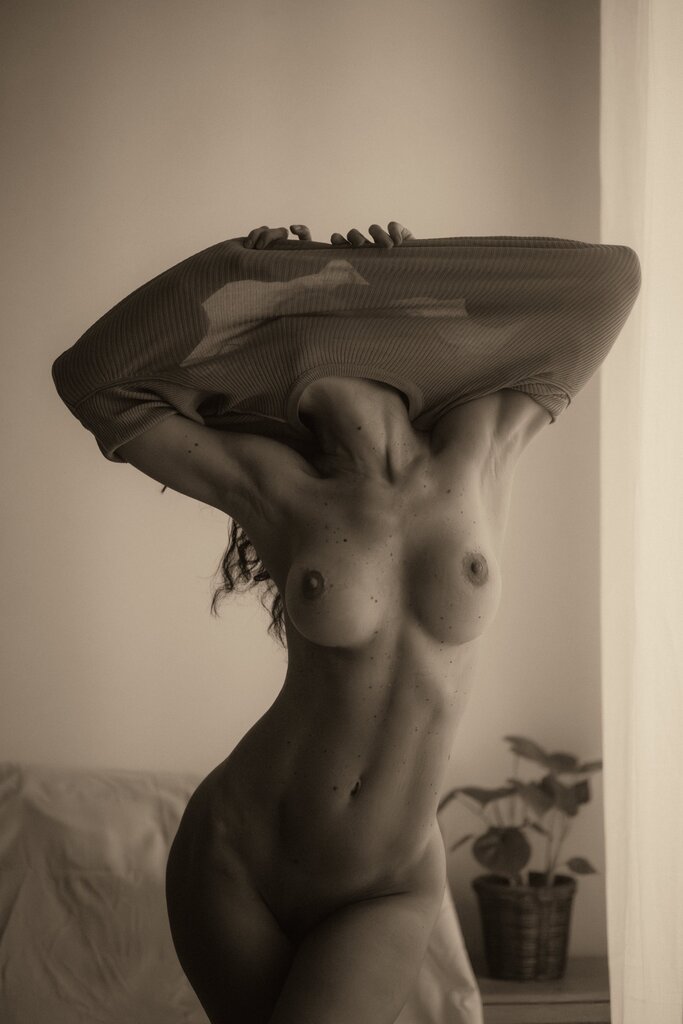
LES PETITS REGARDS. PART 2
Yesterday, we discovered the work of Les Petits Regards, the French photographer who has made intimacy and the female nude the centerpiece of a delicate, sensual, and deeply personal body of work.
In his photographs, the models never seem to be simply posing for the camera. They rest, observe, hide beneath the sheets, or allow the light to travel across their bodies while Anthony captures that fragile line between feeling observed and completely forgetting that someone is watching.
His photography proves that eroticism doesn’t need elaborate settings or impossible poses. Sometimes, all it takes is a quiet room, an open window, a naked body, and a camera that knows how to wait for the right moment.
As promised, today we’re sharing the rest of the photographs we had saved for later. Part two of Les Petits Regards, because some sessions deserve to be enjoyed without rushing… and because keeping all these photos to ourselves would have been rather selfish.
# View photographs
ExtraBall
Everything reminds me of her.
ExtraBall2