Fabrizio Micheli And The Architecture Of Intimacy
Fabrizio Micheli's photography creates a space where sensuality is not accidental, but it is also not aggressive. Across his images, the nude body is presented as a compositional anchor, placed carefully within architectural lines, domestic interiors, and natural surroundings, which makes the eroticism not arise from excess, but from restraint.
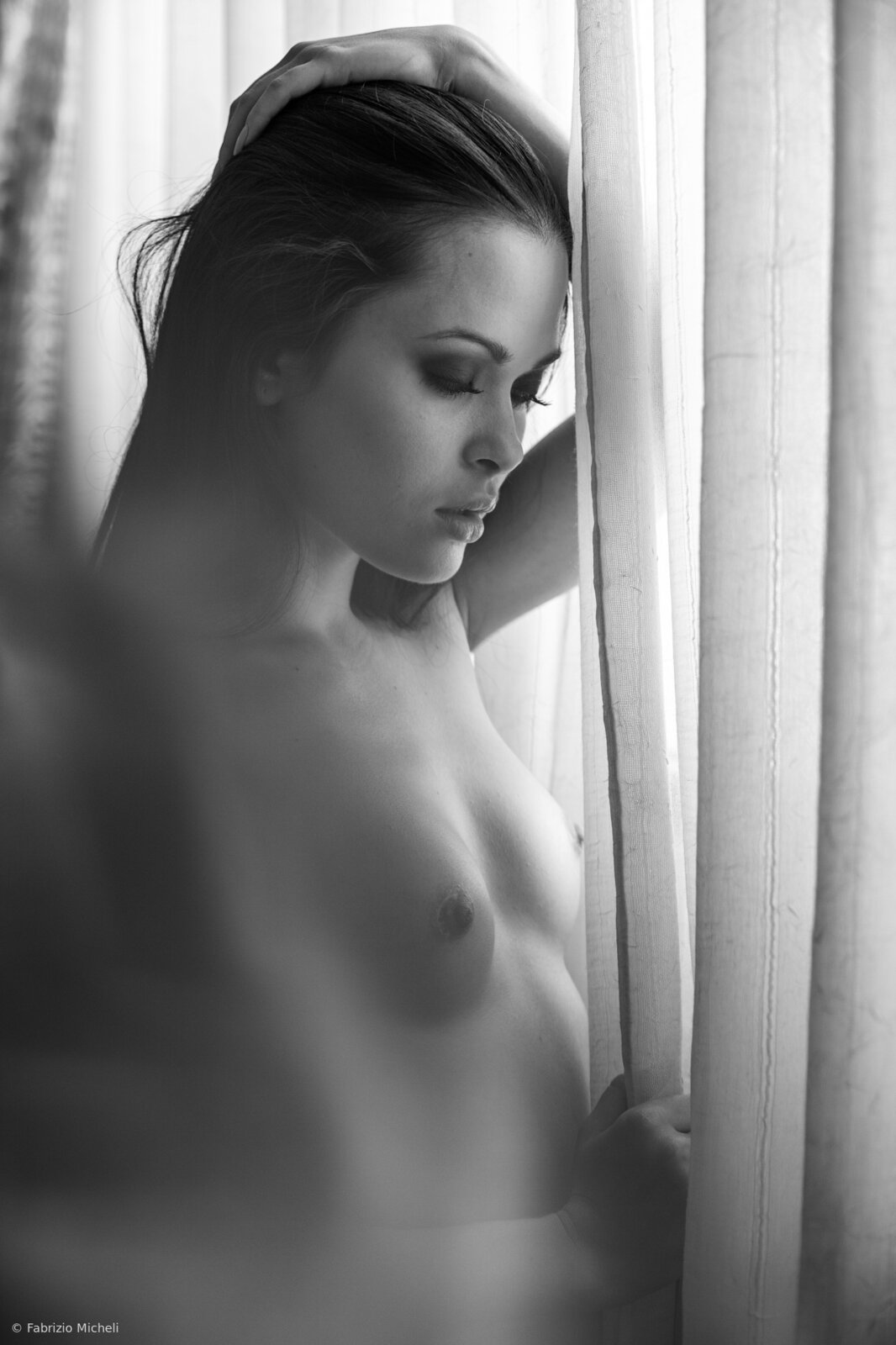
What immediately sets Micheli's work apart is the balance between elegance and vulnerability, where the models appear self-contained, often absorbed in their own physical presence rather than performing for the camera. This creates a quiet tension that the viewer is allowed to access, linger in, and enjoy the eroticism that is rooted in proximity and posture.
Light As A Tool
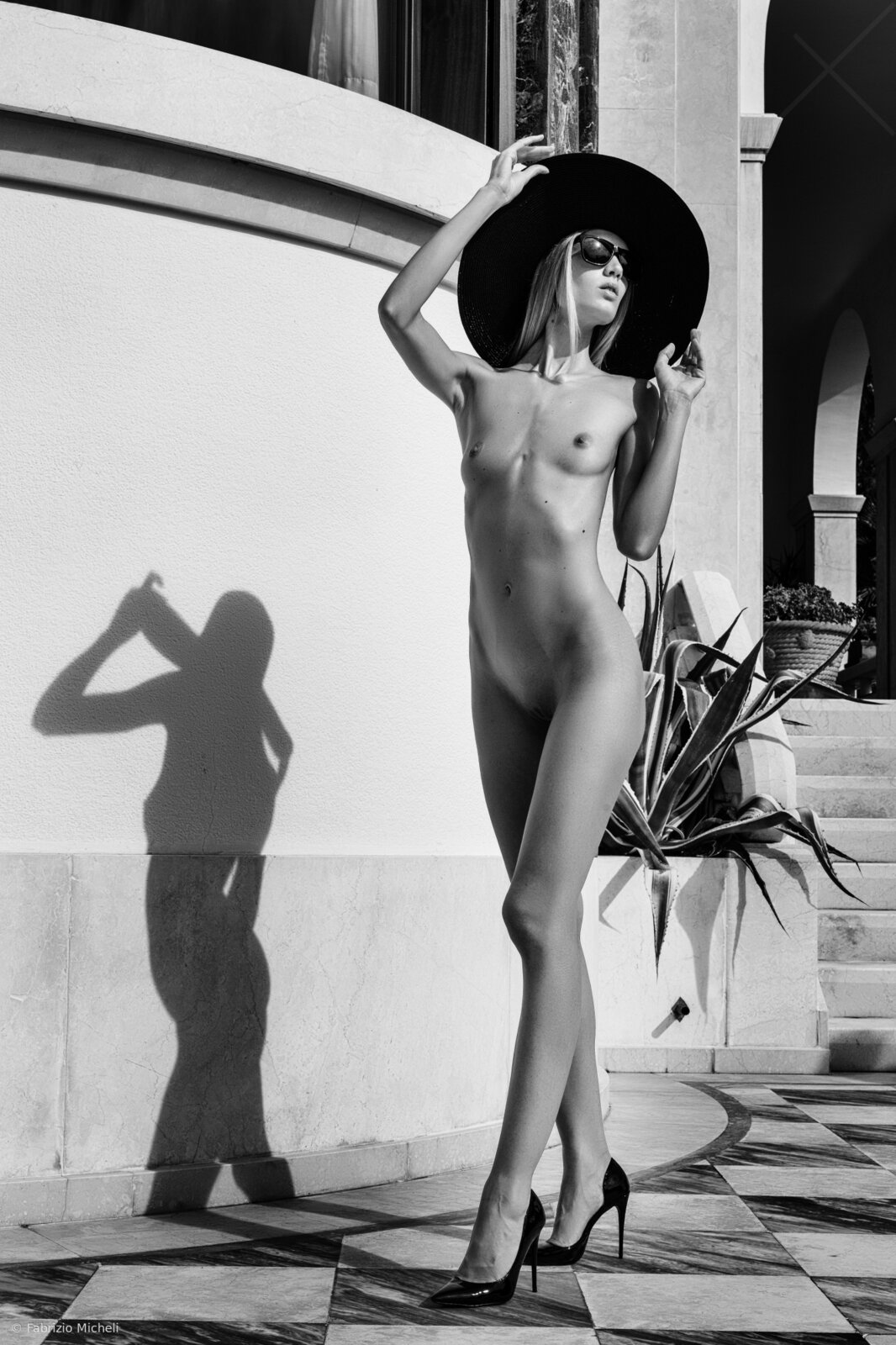
One of the defining roles in Fabrizio Micheli's visual language is his use of light. In both black-and-white and color images, the illumination is directional and full of purpose. Light carvings form out of negative space, like in the image where the sunlight creates crisp shadows that double the body on the walls and floors, as well as in compositions where softer diffused light smooths contours and emphasizes skin texture.
His technique of using light feels like he is using it as a sculptural tool, which shapes the human figure, making musculature, bone structure, and posture reveal themselves through tonal contrast rather than exaggeration. This can even be seen in the interior scenes, where the light enters through windows or curtains. It allows the body to feel intimate and unguarded, giving it a naturalist approach that avoids the theatrical effect that unnatural light tends to give.
The Body In Dialogue With Space
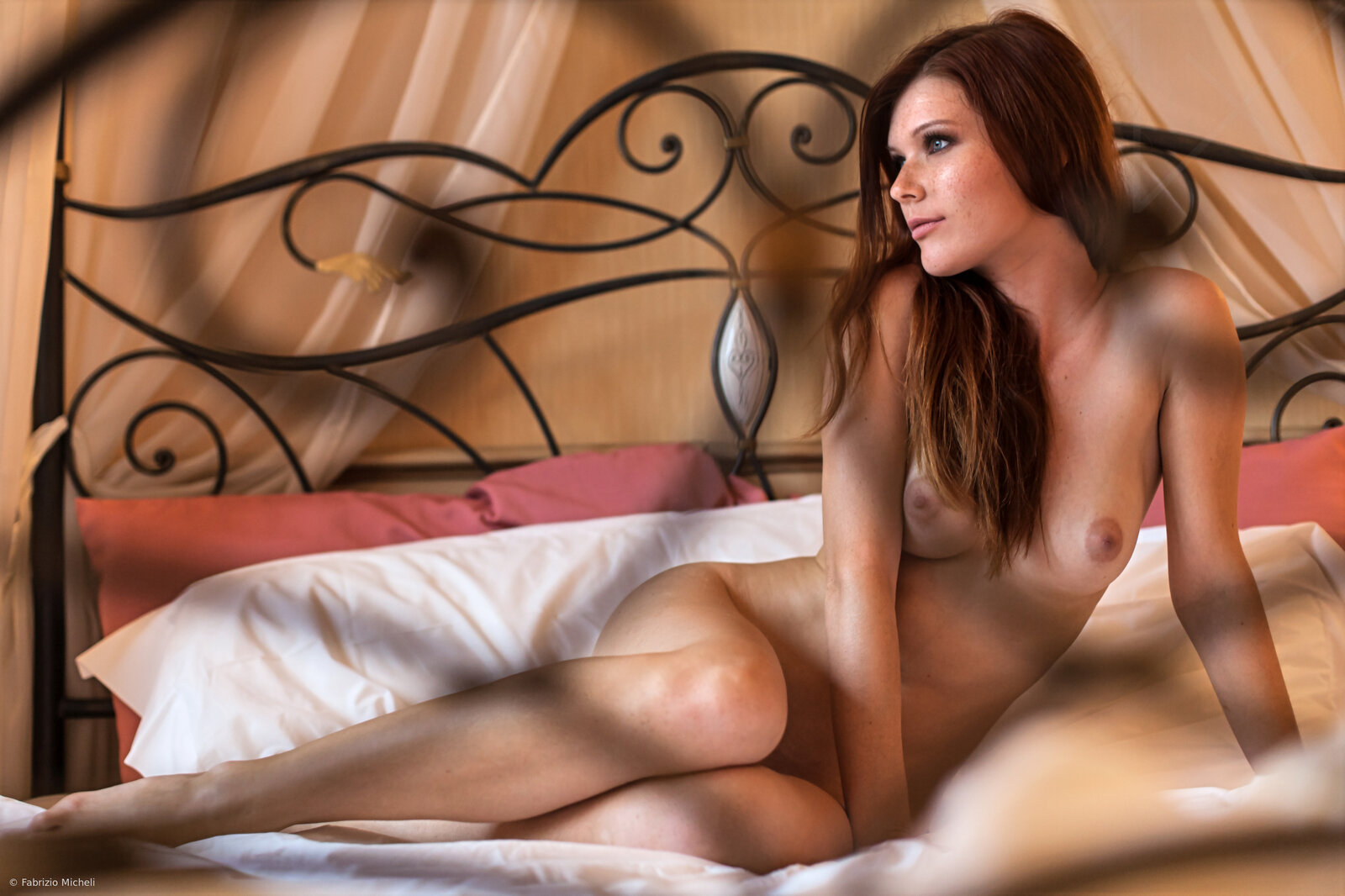
The relationship between nude and its environment is one of the running themes in Fabrizio Micheli's work. Architectural elements such as stairs, windows, bed frames, and tiled floors are not just backgrounds, but active participants in the composition. As the models bend, stretch, or align with these structures, they create a visual rhythm that guides the eye. Curves are mirrored by arches, limbs echo vertical lines, and shadows repeat gestures made by the model.
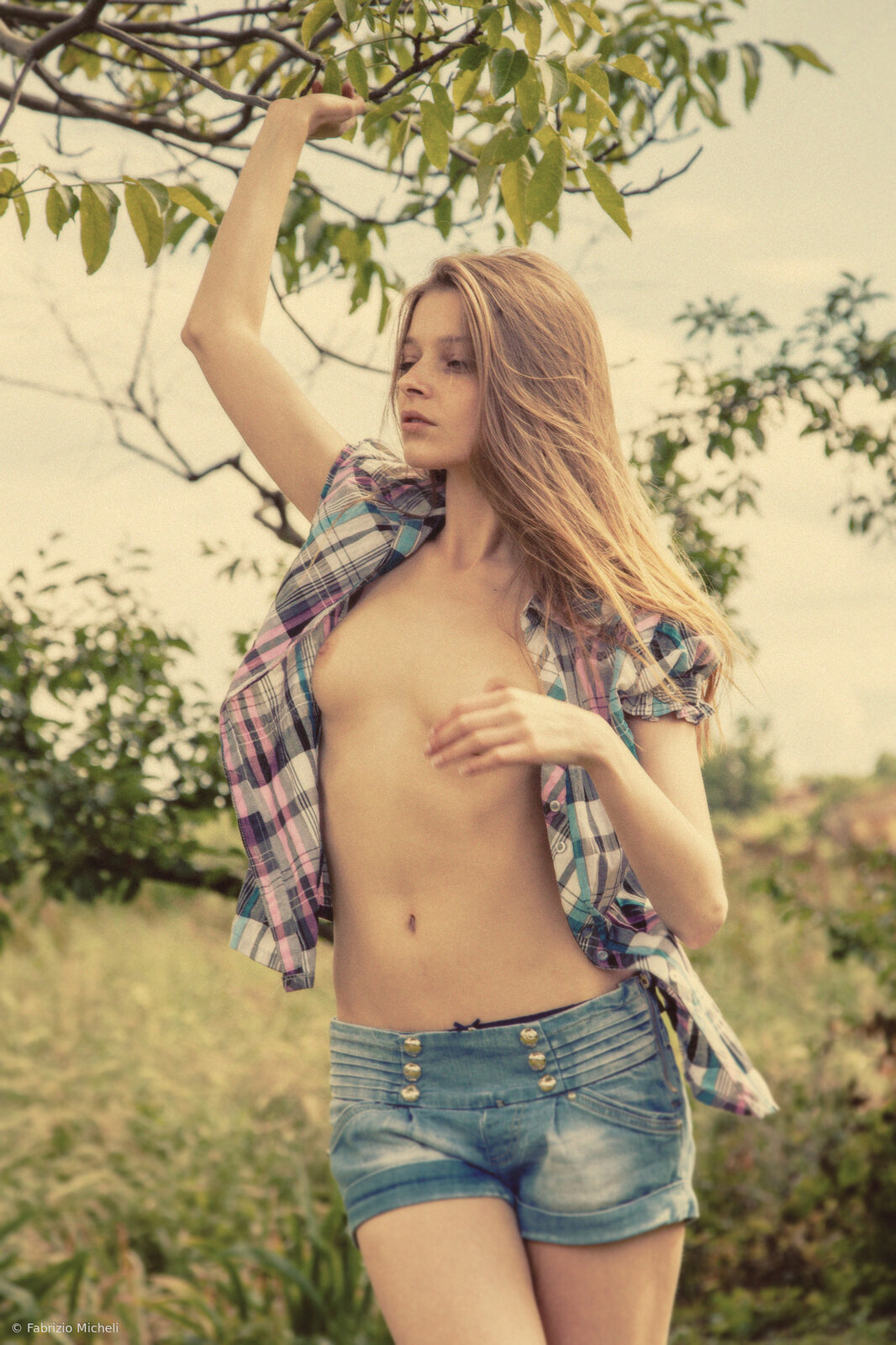
The spatial awareness heightens eroticism by placing the model within a tangible, lived-in world, where the viewer is not confronted by the abstract nude, but the person inhabiting space, and interacting with the gravity, surfaces, and light within it.
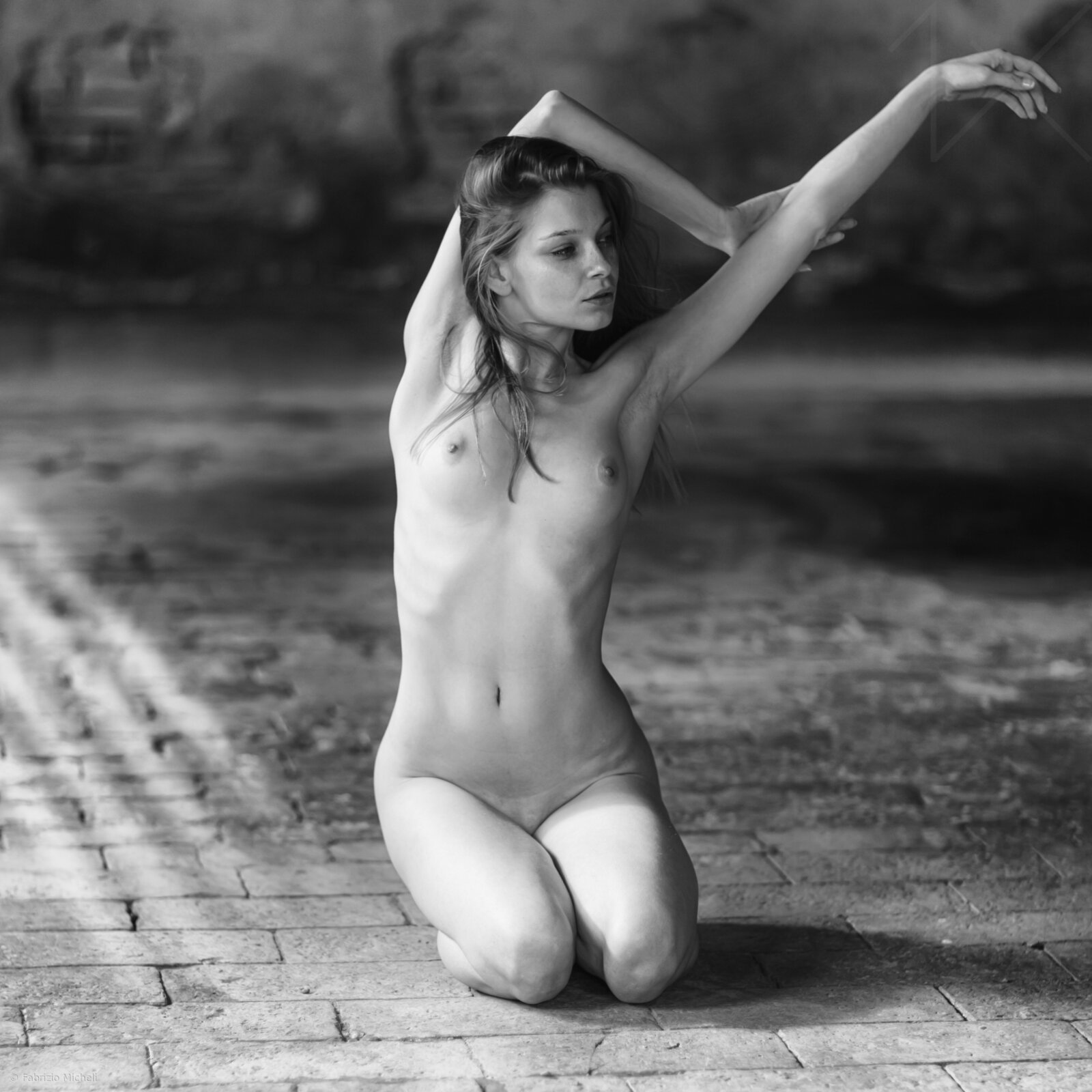
Reflection, Doubling, And Self-Observation
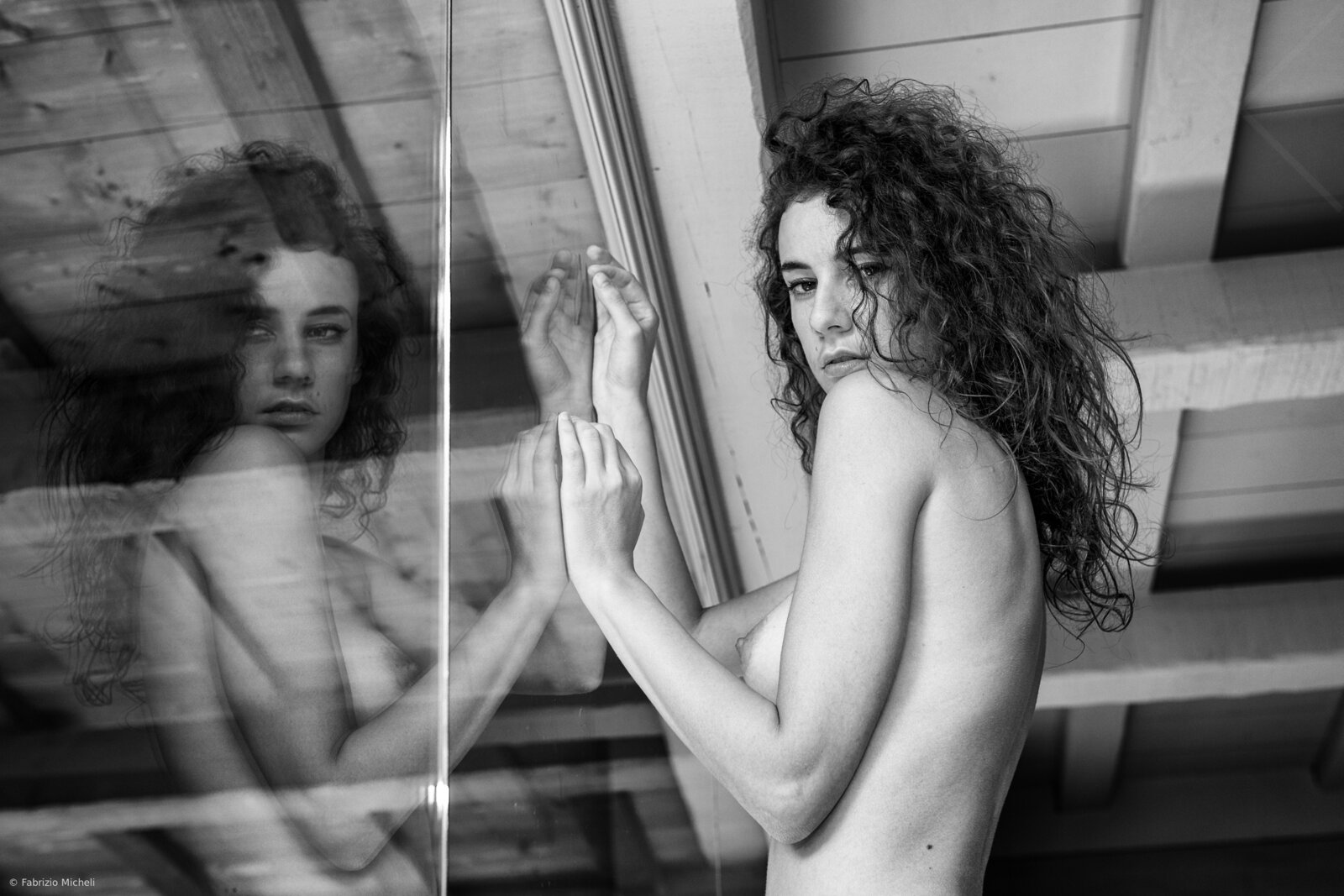
In some of his works, we can see that he uses mirrors or reflective surfaces, which introduce a secondary perspective in the frame. Reflections like this are not used for spectacle, but for introspection. Models appear to encounter themselves, creating a visual dialogue that shifts the erotic focus inside.
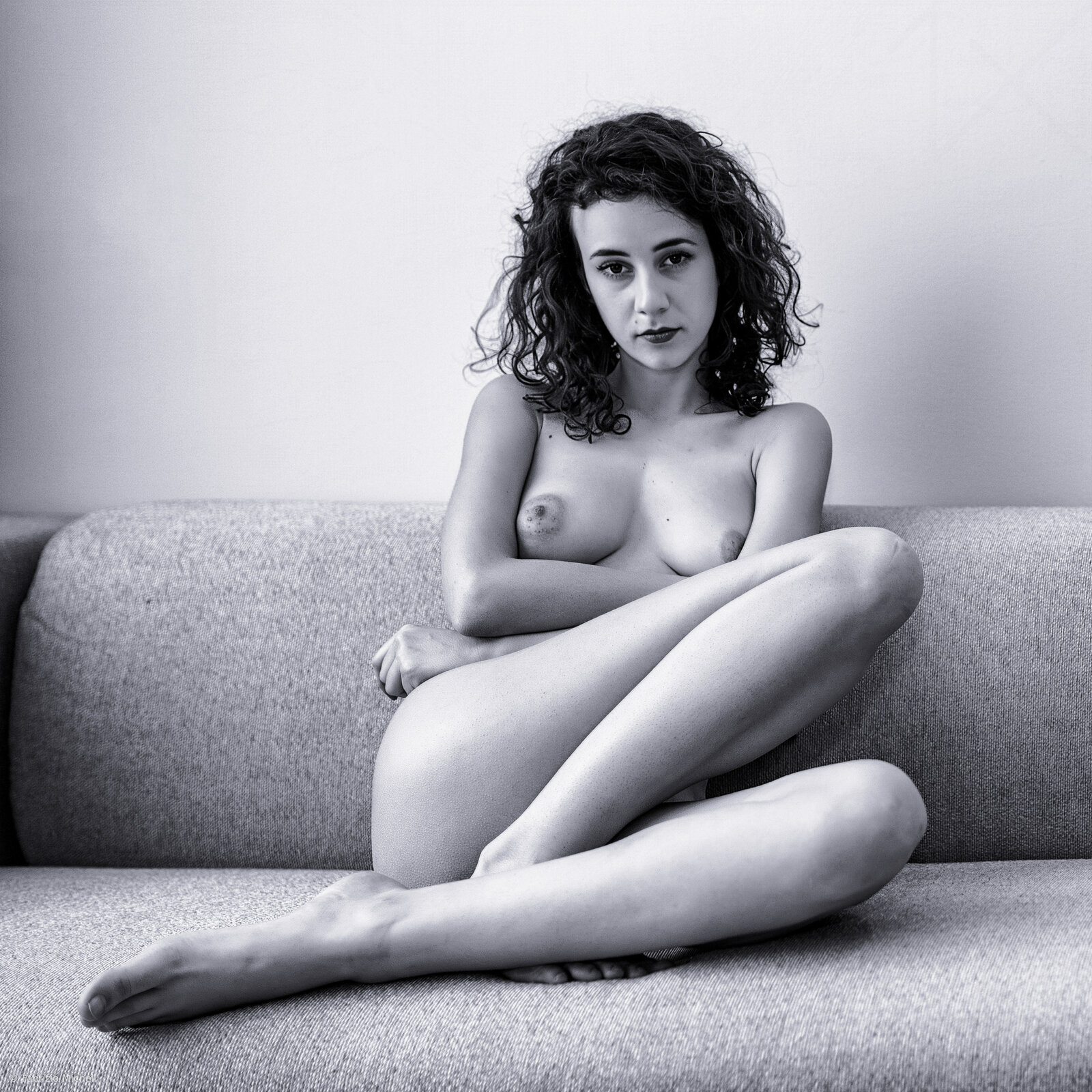
Desire becomes self-contained, less about being seen but more about being self-aware. This doubling effect also complicates the viewer's role, as they get to witness both the body and its reflection, and in that moment, the viewer becomes aware that they are looking for something. Images subtly resist passive consumption, encouraging a more thoughtful form of engagement, which is where Fabrizio Micheli's work tends to stand out, as he introduces this element flawlessly.


Comments (0)
Be the first to comment.