The Science of Sensual Spaces: How Light, Scent and Sound Shape Intimacy
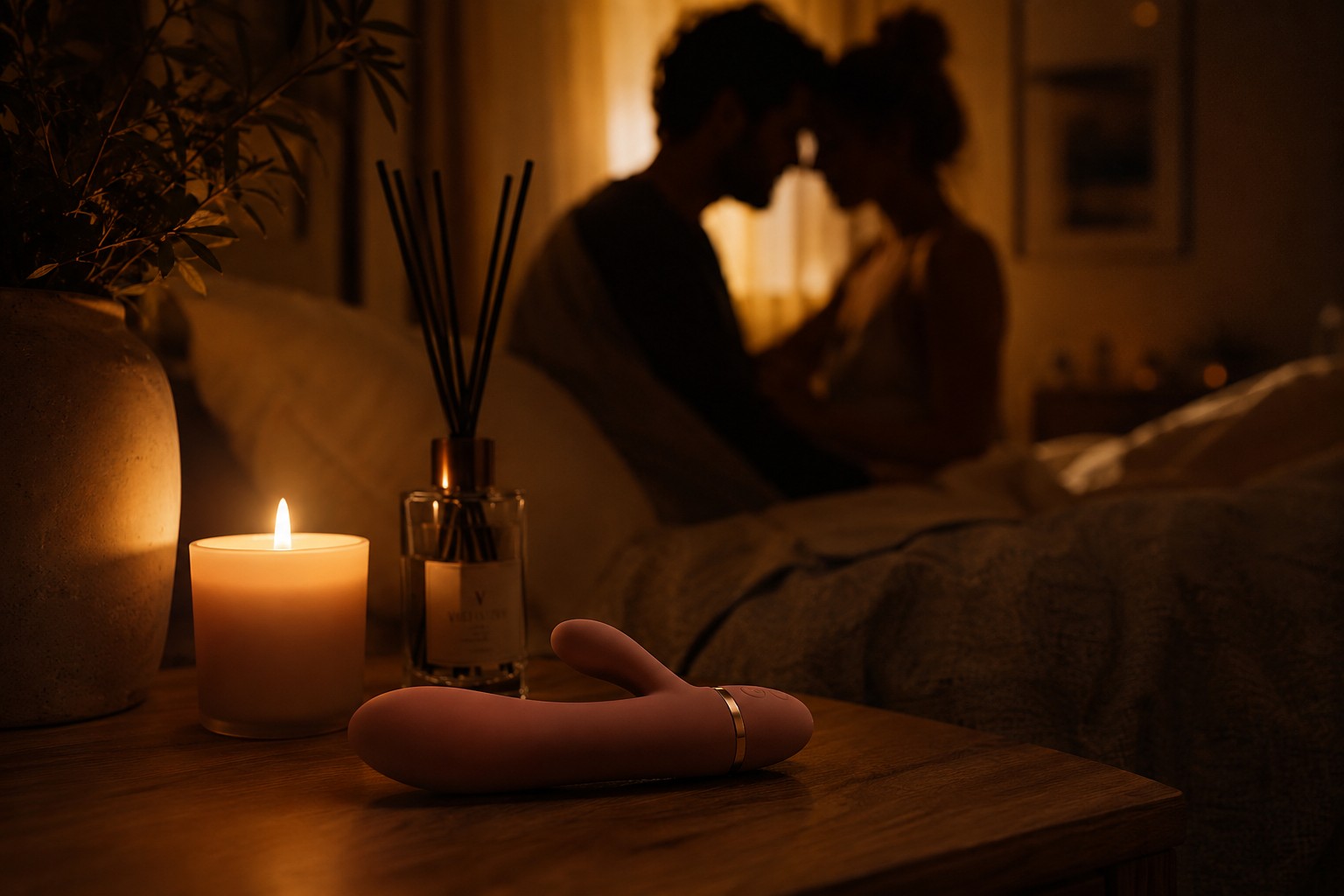
Atmosphere is rarely accidental. The way a room is lit, what it smells like and what plays in the background all send signals to the nervous system long before a conversation begins. Research across sleep science, chemosensory studies and psychoacoustics suggests that small environmental adjustments can measurably shift arousal, relaxation and emotional connection between partners.
Why Atmosphere Matters More Than Willpower
Human sexual response is closely tied to the autonomic nervous system. When the body remains in a state of alertness, blood flow, muscle tension and hormonal signalling all work against relaxation and pleasure. A 2019 review in the Journal of Sexual Medicine noted that psychological safety and reduced sensory stress are consistent predictors of sexual satisfaction across age groups.
Environmental design offers a practical lever. Alongside temperature, textiles and privacy, tactile elements shape the experience, and a well-chosen sex toy can extend the range of sensation available to solo users or couples. The point is not novelty for its own sake, but adding intentional variables to a setting that already supports comfort and focus.
Lighting and the Body's Response
Cool, blue enriched light at 5000-6500 Kelvin is known to keep the brain "awake" (or active), whereas warm light <2700 K is responsible for encouraging the release of Melatonin and a transition into Parasympathetic State. Support for this claim comes from Harvard Health Publishing stating that limiting the amount of blue-rich light experienced by the eyes in the evenings aids in winding down.
Dimmer switches, candles and low wattage bulbs with color rendition indexes greater than 90 will create softer shadow areas and flatter skin tones and are often considered more flattering as well as less clinical looking.
Scent, Memory and Arousal
Olfaction is the only sense wired directly to the limbic system, which explains why smells trigger emotional and autobiographical memory so quickly. A study published in Chemical Senses found that ambient scent can alter mood and perceived intimacy in social settings.
Common choices include sandalwood, jasmine, ylang ylang and vetiver, several of which have been examined in small clinical trials for their relaxing or mildly stimulating effects. Essential oils should be diluted properly, kept away from mucous membranes and stored according to IFRA safety standards. Synthetic fragrances vary in quality, so unscented candles with a separate diffuser often give more control than heavily perfumed products.
Sound and the Nervous System
Background sound shapes heart rate variability and breathing patterns. Slow tempos, roughly 60 to 80 beats per minute, tend to align with resting cardiac rhythms, a phenomenon documented in psychoacoustic research summarised by the British Academy of Sound Therapy. Music without abrupt dynamic changes helps sustain a relaxed state, while unpredictable audio, including notifications from phones, has the opposite effect.
Creating an enjoyable sensory environment requires making small intentional changes; some of which you have already done. These may be as simple as turning off your phone, closing your windows if they face a noisy street, and creating a playlist that will last for the entire period of time you plan to spend with another person in order to eliminate potential distractions. Instrumental music or other forms of non-lyric based recording (such as nature sounds) can also help maintain focus on the sensations occurring within the moment. The building of a sensual space does not require extravagance but rather clarity. Sensual spaces are created when all elements such as lighting, scents, sounds and physical contact, are harmonious. The less there is for the body to defend itself against; the greater opportunity there is for it to respond. Making these small, conscious adjustments through time and tailoring them to what works best for each individual, tends to create more enduring environments than would any one device or practice.


Comments (0)
Be the first to comment.